


|
|
|
|
by Yvette Depaepe
Published the 16th of October 2026
IMPORTANT MESSAGE FROM THE 1X MANAGEMENT
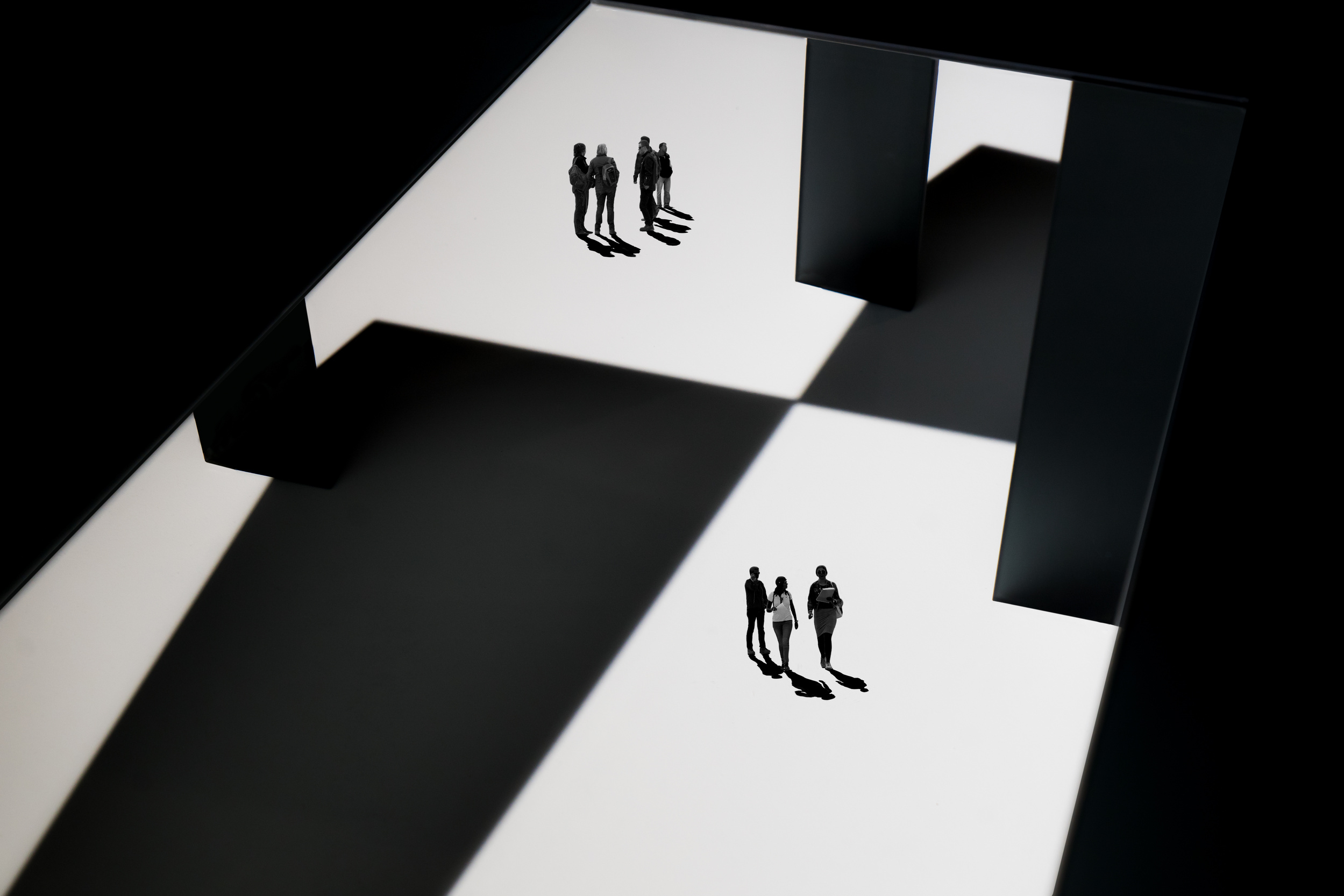
Photography must remain rooted in photography
At 1x, photography is more than the creation of an attractive image. It is the result of observation, imagination, patience, technical skill and, above all, a genuine photographic process. Every photograph represents a moment captured by its author, even when extensive artistic editing is used to transform the original image.
For this reason, 1x maintains a definitive and irrevocable position regarding fully AI-generated images and images created using generative AI software. The use of AI-generated content is not permitted in any part of an image, regardless of how small or insignificant that element may appear.
In any case, it is strictly forbidden to use programs such as Midjourney, Stable Diffusion, Chat GPT, Google Gemini or similar generative platforms, in which the photographic content is created artificially rather than captured by the photographer and will not be accepted on 1x.
This policy is not intended to reject technological progress or the creative possibilities of digital photography. It exists to protect the identity of 1x as a photography platform and to preserve the integrity, authenticity and credibility of the work presented in our galleries.
_______________________________________________________________________________________________________________
The distinction between photographic editing and generative AI
Digital photography has always evolved alongside technology. Modern editing software offers photographers remarkable opportunities to refine, enhance and reinterpret their own photographs. Such developments are not inherently incompatible with the principles of 1x.
Certain Photoshop features, for example, may be permitted when they are used to edit genuine photographs taken by the author. Replacing a sky with another sky photographed by the same author is one example. The essential requirement is that the resulting image remains based on authentic photographic material rather than on artificially generated content.
The distinction is fundamental: editing a photograph is not the same as generating its photographic content artificially.
________________________________________________________________________________________________________________
Compliance is not optional
Members are expected to cooperate honestly and transparently with any reasonable review. Attempts to circumvent the rules, misrepresent the origin of an image or disregard the platform's requirements may lead to consequences under 1x's moderation and account policies, up to and including account termination where warranted.
________________________________________________________________________________________________________________
Protecting the value of genuine photography
The rapid development of generative AI makes it increasingly easy to produce convincing images without ever taking a photograph. This raises important questions about authorship, authenticity and the meaning of photography itself.
At 1x, our answer remains clear. We value the photographer's vision, the decisions made behind the camera and the creative work involved in producing an authentic photograph. We welcome artistic interpretation and legitimate digital craftsmanship, but we will not blur the line between photographic creation and the artificial generation of images.
This is not a temporary restriction that members can expect to disappear through continued pressure or repeated disregard of the rules. It is a deliberate position intended to protect the character and standards of our community.
_______________________________________________________________________________________________________________
Our position remains unchanged: 1x is a platform for photography, not for images generated by artificial intelligence. This distinction remains central to our identity, and our position on prohibited AI-generated imagery is definitive and irrevocable.
By upholding this principle together, we protect the trust of our members, the integrity of our curation and the value of genuine photographic art.
 | Write |
 | Bing Li PRO Absolutely agree and support . |
 | rob Kane PRO Bravo. |
 | Nichole Chen PRO I fully support and sincerely appreciate the 1x leadership team's firm commitment and clear stance on this issue. I believe creativity should be encouraged, but it must remain rooted in authentic photography. Protecting this distinction is essential to preserving the integrity and value of photographic art. |
 | Pier Luigi Calosso PRO I agree, it’s a much-needed move |
 | Cristiano Giani PRO ...right !... i 100% agree... |
 | Angelika Vogel PRO Your text is very reassuring, and I completely agree with what you’ve written dear Yvette! It’s easy to harbor concerns about what is possible with AI and how things might continue to develop.Thank you very much Yvette! |
 | Ed Baak PRO I 100% agree and applaud 1x on taking a firm stance and protecting photography as art. |
 | Eric Chatelain Photography PRO I completely agree with you! Thank you for reminding us of this rule, and good luck spotting the cheats, because sometimes it really isn’t easy to tell the difference between an AI-generated image and a ‘real’ photo, given that the line between the two is becoming increasingly blurred... |
 | Cicek Kiral CREW This is how we feel, too...We seek to tire while enhancing our images...There is little happiness in easy. Thank you 1x |
 | Ibrahim Nabeel PRO I completely agree with you ! thank you 1x |
 | yein PRO I completely agree with 1x's opinion!! |
 | Adrian Donoghue PRO I fully support these policies! |
 | Wayne Pearson PRO Excellent, never compromise your principals and photographic integrity. That is why 1x is still in my mind the best photographic website on the planet! |
 | Giovanni Cavalli PRO Well done, well done, well done! Long live photography! |
 | Roland M Schwerdtfeger PRO Thank you, Yvette. It's good that you clarified this again. AI-generated images whose source format isn't camera-generated don't belong in 1X. After all, the aesthetic of “real” photography is what makes a curated gallery of such high caliber as 1X so appealing. |
| | Roland M Schwerdtfeger PRO It's good that you clarified this again. AI-generated images whose source format isn't camera-generated don't belong in 1X. After all, the aesthetic of “real” photography is what makes a curated gallery of such high caliber as 1X so appealing.
|
 | Andrii Maikovskyi PRO Thank you Yvette and all 1x team for your clear position! My full support.
|
 | Gilles Benso PRO Merci, c'est rassurant d'être sur site ou l'on peut s'émerveiller devant une photo sans arrière pensée. |
 | LARRY BUTTERWORTH PRO Thank you Yvette. All power to 1x. Com. Long live 1x |
| | LARRY BUTTERWORTH PRO |
 | Mel Brackstone PRO Thanks, I really do appreciate the effort you're making to keep AI out of this site. It's getting harder and harder to pick, but it's good that photographers are given the chance to show their talents, rather than using programs that have stolen copyright work to get their results.
|
 | Gary L Holman PRO Thank you! Yvette. I absolutely agree with this decision 100%. This is what makes 1X such a highly skilled and unique photography platform. |
 | Onno Vellekoop PRO Thank you for this clear explanation. I fully support the decision, ensuring that the true artist receives the recognition he or she rightfully deserves. |
 | joanaduenas PRO Thank you very much for the clarification; I fully agree with 1x’s position creativity in any artistic field should be a priority, because every work, photograph, etc., is unique. |
 | Jostein Elmar Seljehaug PRO I completely agree with that. But I see lot of things here on 1x.com that aren`t photograps, they`re just pictures. Cut and paste is often used. Perhaps the camera not has been used at all. One can see with the naked eye that this is not a photograp. In that case the photographer cannot sign it as their own work |
 | DonnaHom APA PRO A very nice policy to remain the photographic artistic platform. The AI can be another area of the art creation but not the photographic artistic platform |
 | Eiji Yamamoto PRO Dear Yvette, thank you so much for that announcement! We must agree to those rules. |
 | Jan van der Linden PRO Agreed!
|
 | Luca Tedone PRO Absolutely agree. AI is a tool that can and should support us in many areas of everyday life.
When it comes to photography, though, I strongly believe that the growing amount of AI-generated content will actually increase the value of real photography. In the future, images that capture something real, something that truly happened in front of a camera, may become more valuable than they are today. |
 | Robert Buergisser PRO I absolutely agree with these well-known rules. Thank you for emphasizing them so strongly once again. |
 | Udrea Dan PRO Thank you for this decision. Congratulations. I am in complete agreement. |
 | Toon Maartense PRO Dank je Yvette, ik had je eerdere reactie al gelezen, maar dit is nog duidelijker. |
 | Karin Kilb PRO I completely agree with that, thank you. |
 | May PRO Thank you for establishing such clear guidelines. I completely agree . |
 | Luc Vangindertael (laGrange) CREW Absolutely agree with these rules. It is necessary to repeat the principles from time to time, |
 | Jay Satriani PRO I really appreciate these rules and policies and fully support them. |
 | Massimo Strumia PRO I completely agree with you! |
 | Alberto de la Cruz PRO Creo que está bien en un 100%, enhorabuena 1x |
 | Ludmila Shumilova PRO I fully subscribe to your point of view. |
 | Ramiz Sahin PRO Words of congratulation for one's decision. |
by Yvette Depaepe
Published the 14th of October 2026
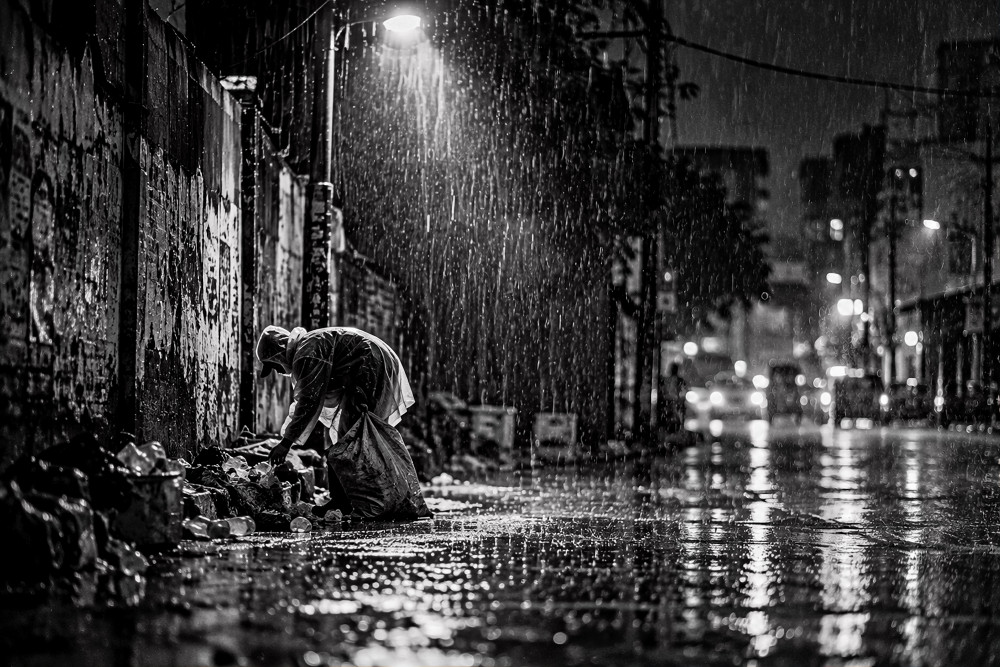
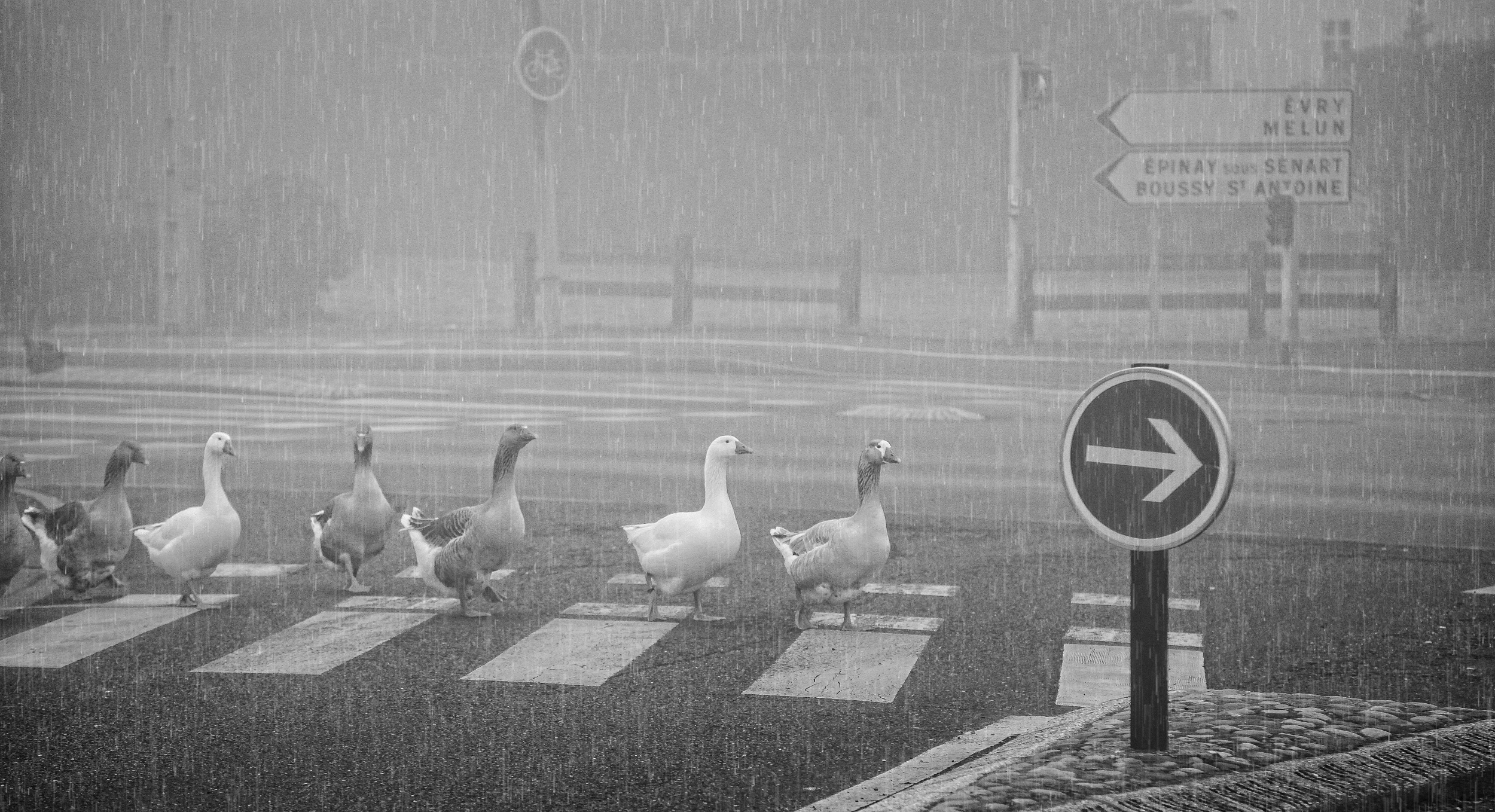
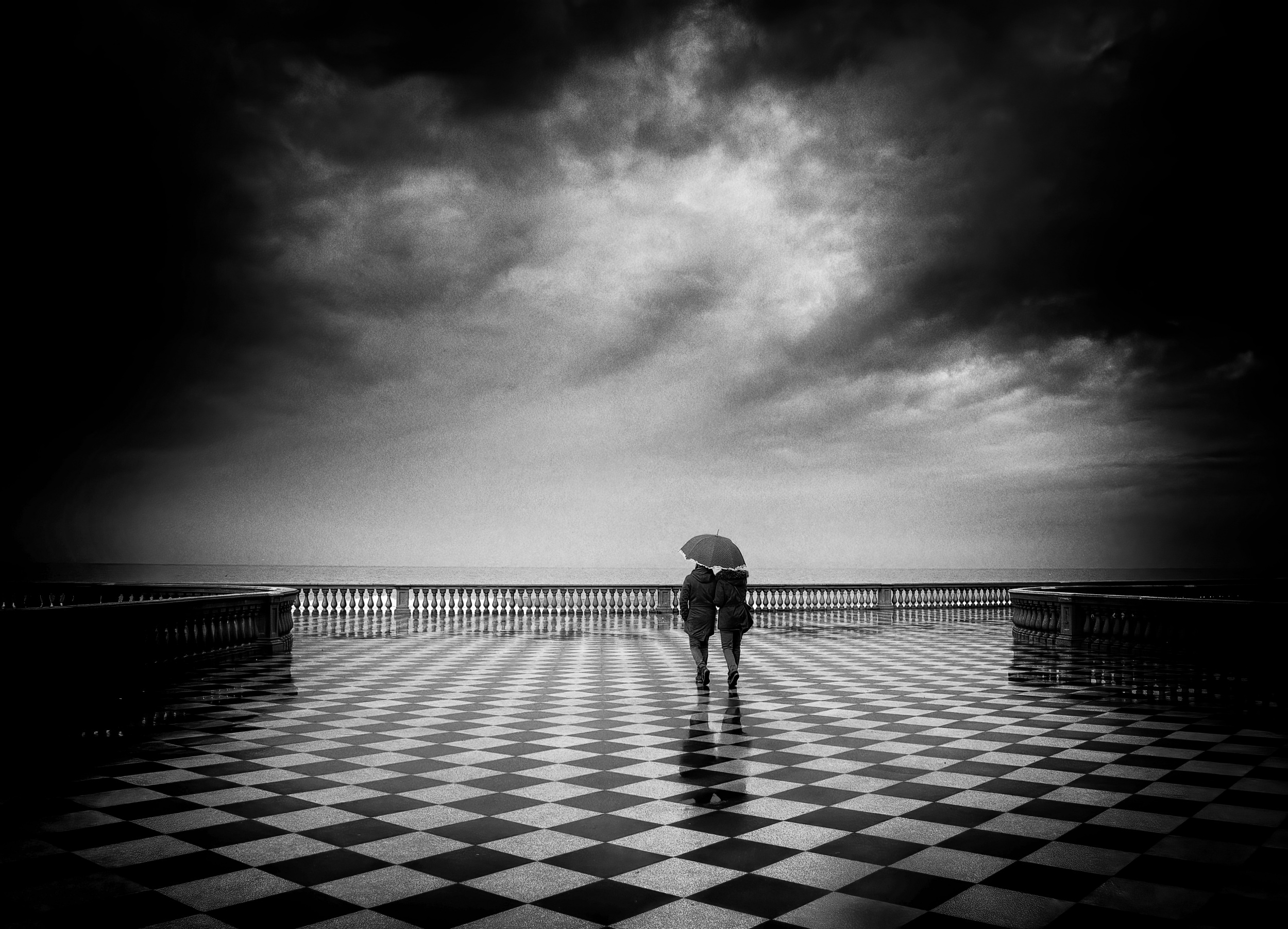
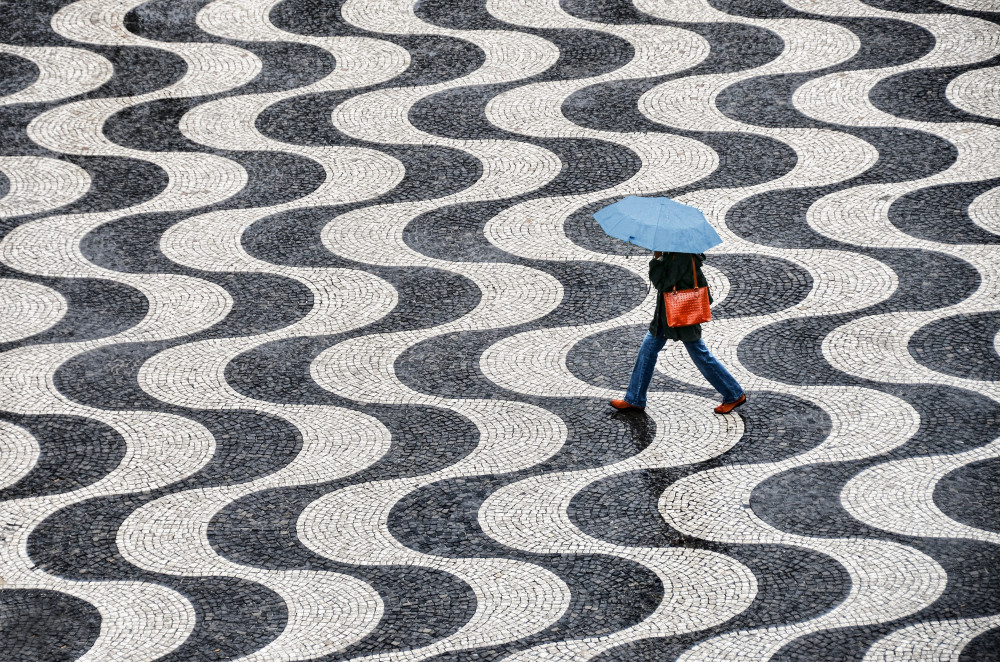
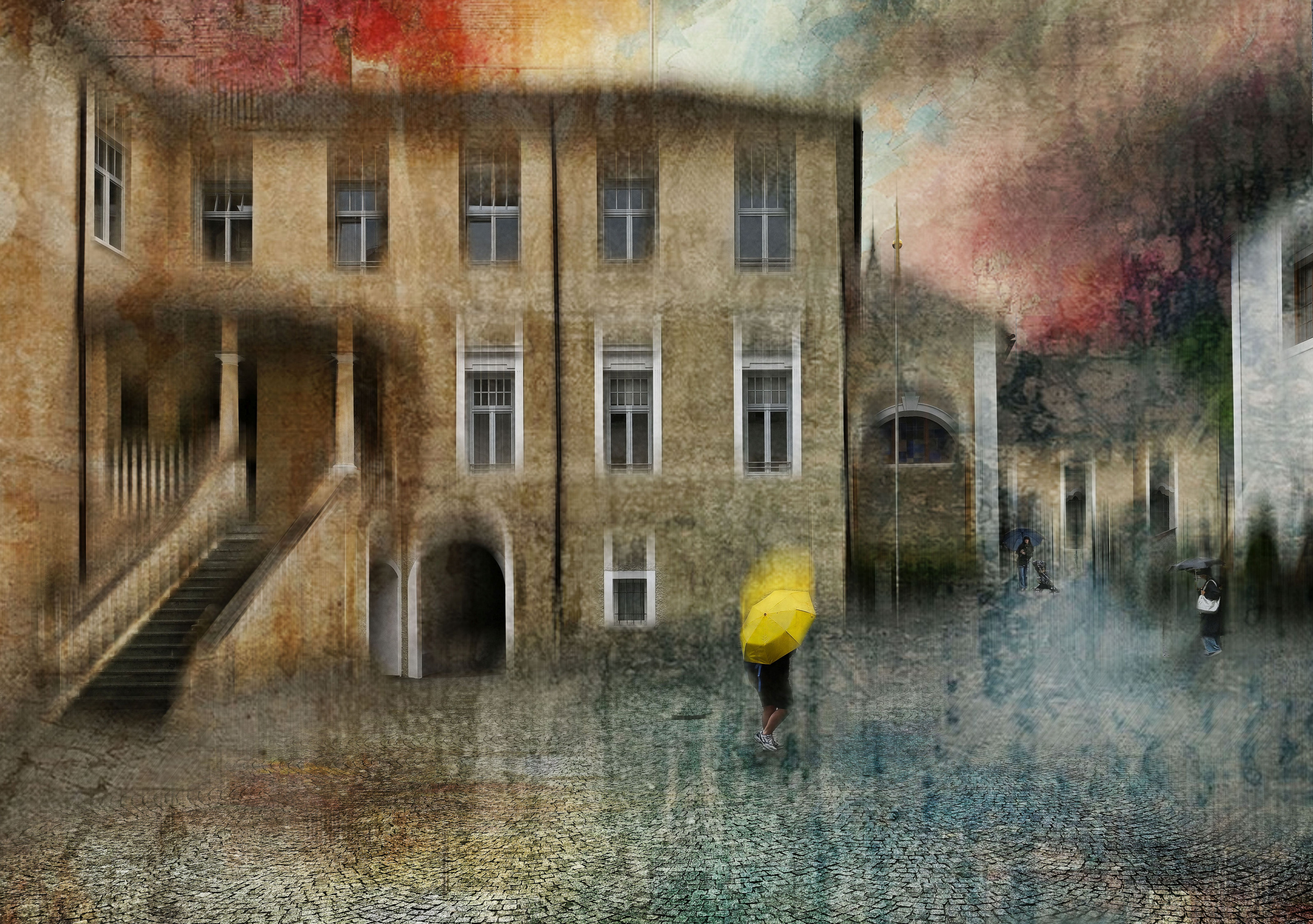
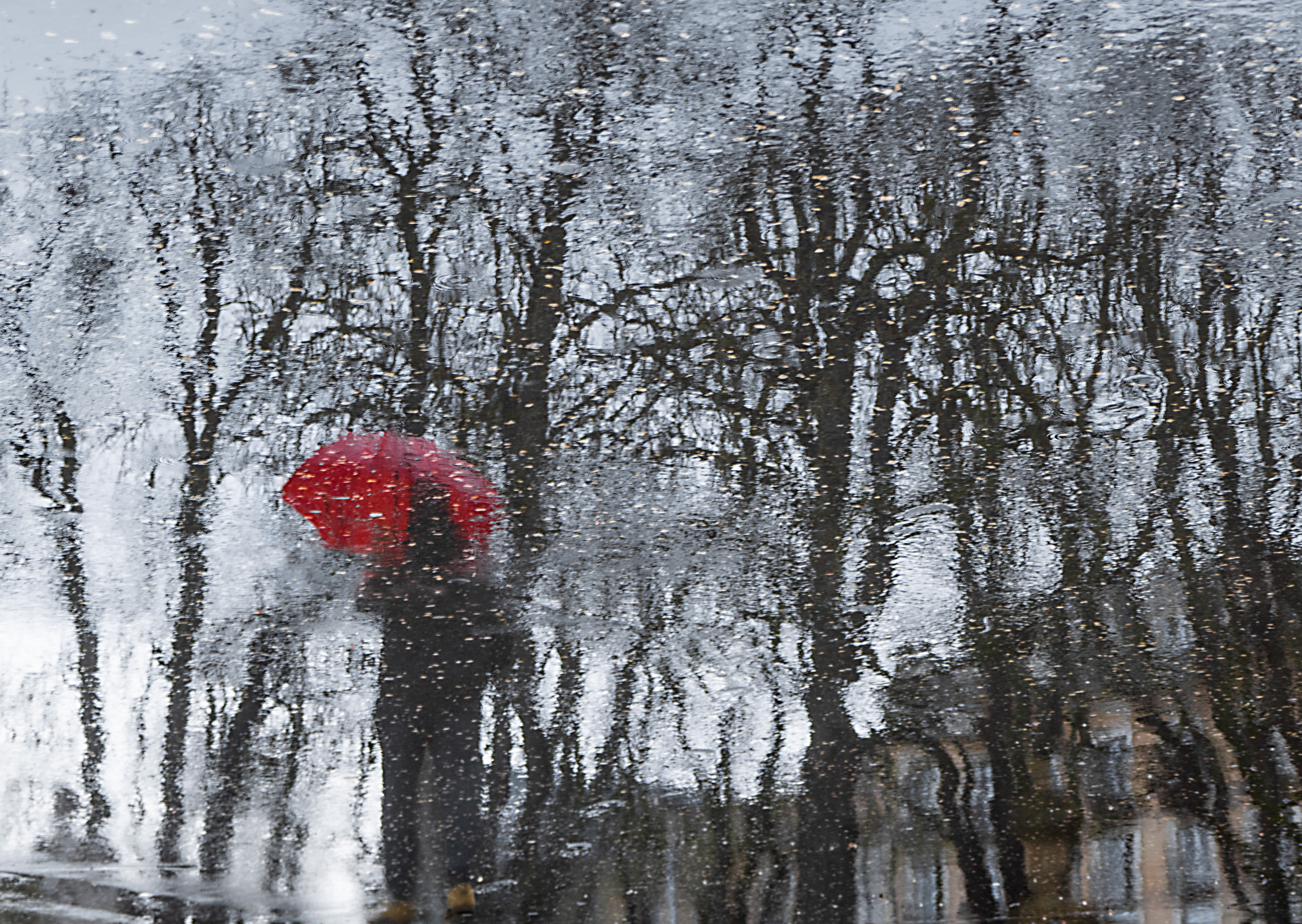
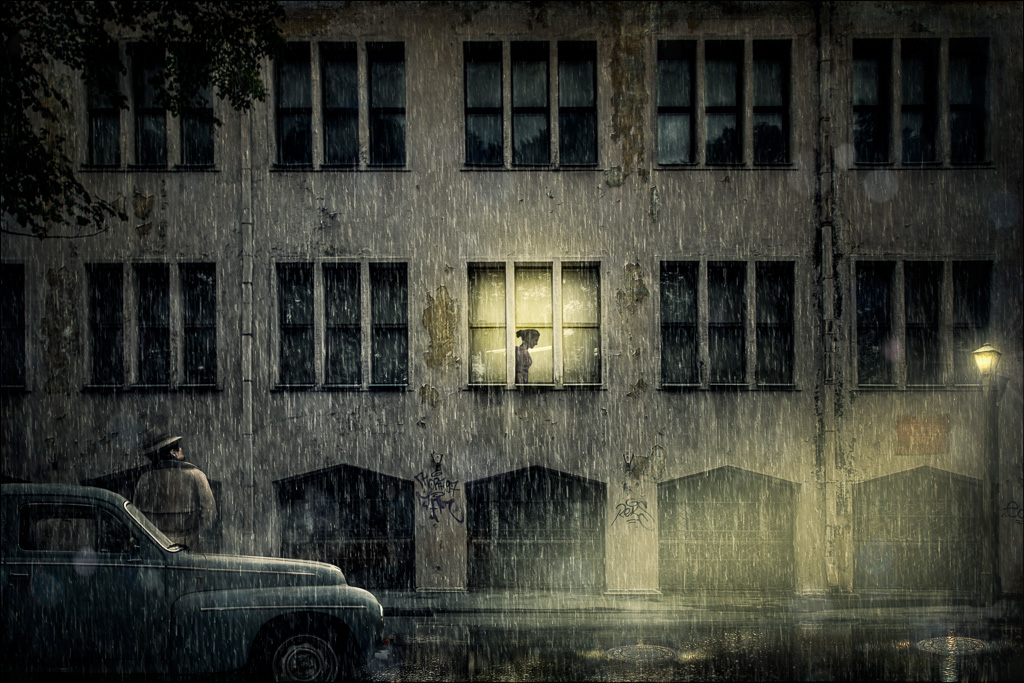
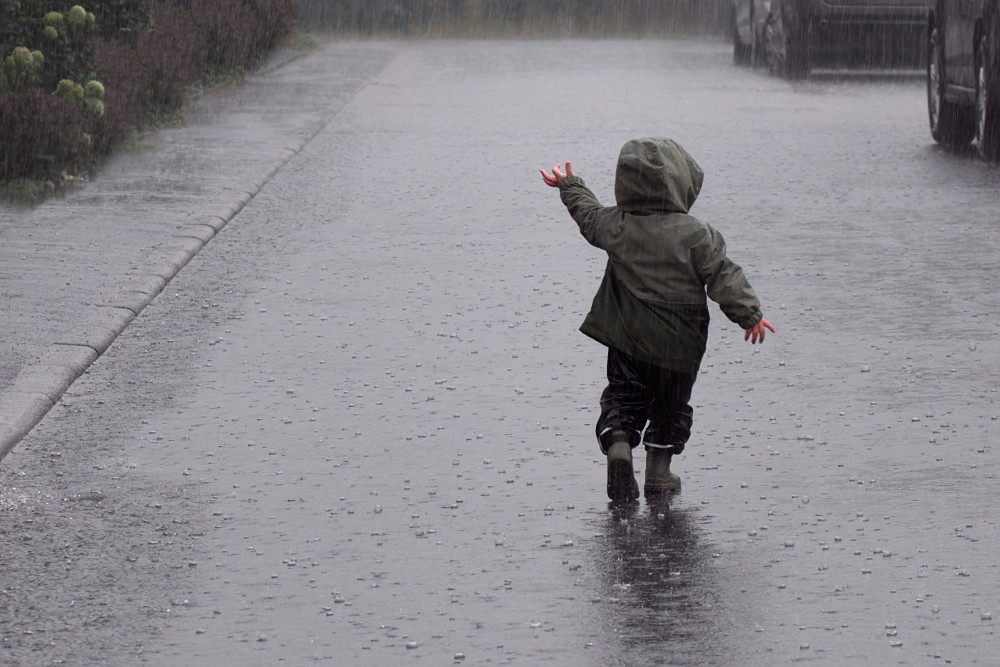
'Rainy days'
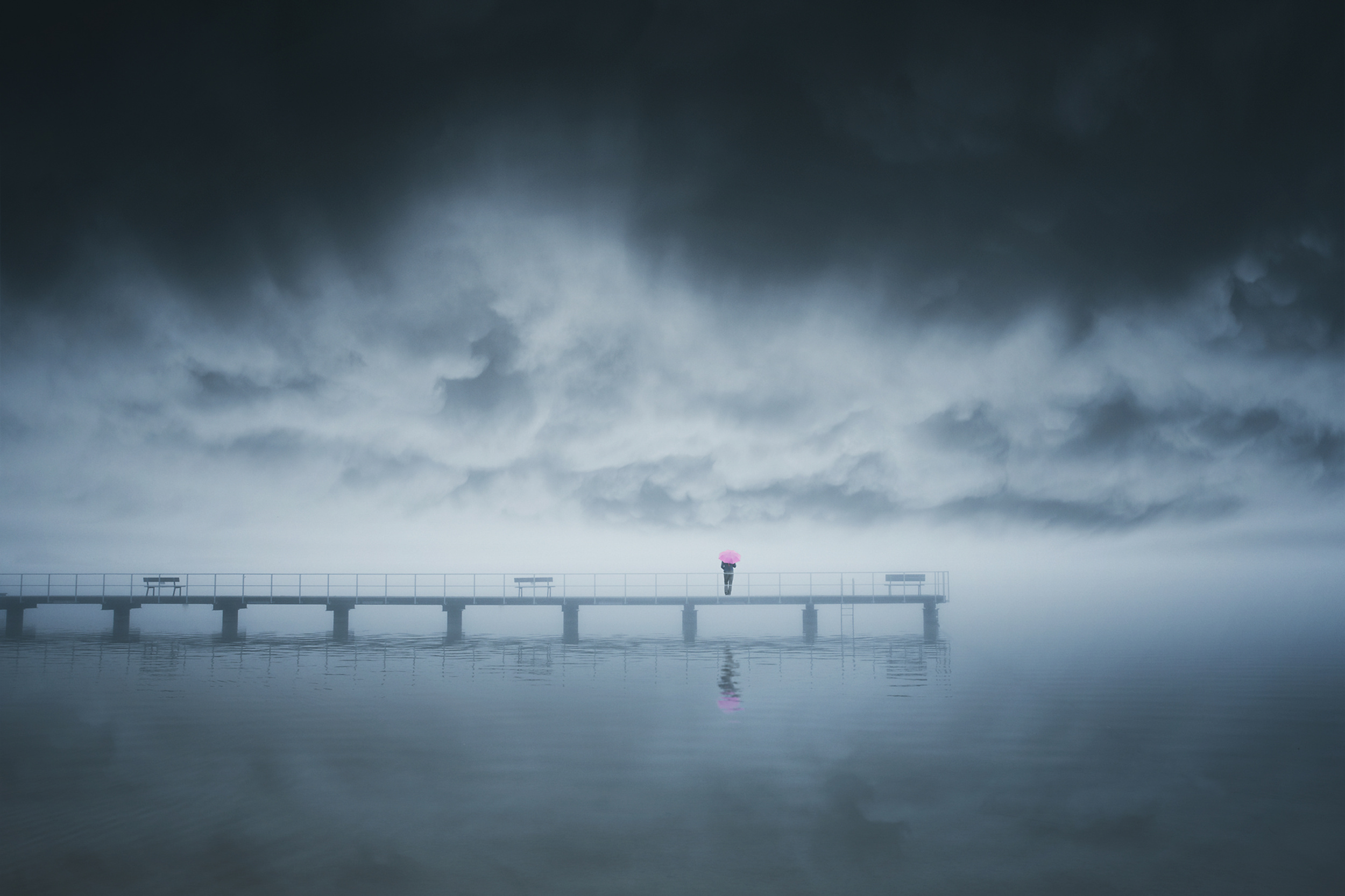
The overcast sky is an excellent chance to seek natural lighting. Also notice raindrops on the leaves or flowers, puddles in the ground or wet hair. When you take photos in the rain, it is better to choose dark backgrounds. The reason is that it creates a gloomy atmosphere that corresponds to the rainy weather and dramatic look. Take your umbrella and view the moody and beautiful submissions.
The winners with the most votes are:
1st place : DDiArte
2nd place: Antonyus Bunjamin (Abe)
3rd place : Alahattin Kanlioglu
Congratulations to the winners and honourable mentions.
Thanks to all the participants in the contest 'Rainy days'
Current contest theme is 'Autumn's wonderful mood'
Autumn is one of the most rewarding seasons for photographers. Vibrant leaves, misty mornings, and golden light can transform an ordinary scene into something unforgettable. But as inspiring as fall colors are, they can also be tricky to capture. Dull skies, flat light, or oversaturated tones often leave images looking less impressive than what you saw in the field.
This contest will end on Sunday the 25th of October at midnight.
The sooner you upload your submission the more chance you have to gather the most votes.
If you haven't uploaded your photo yet, click here.
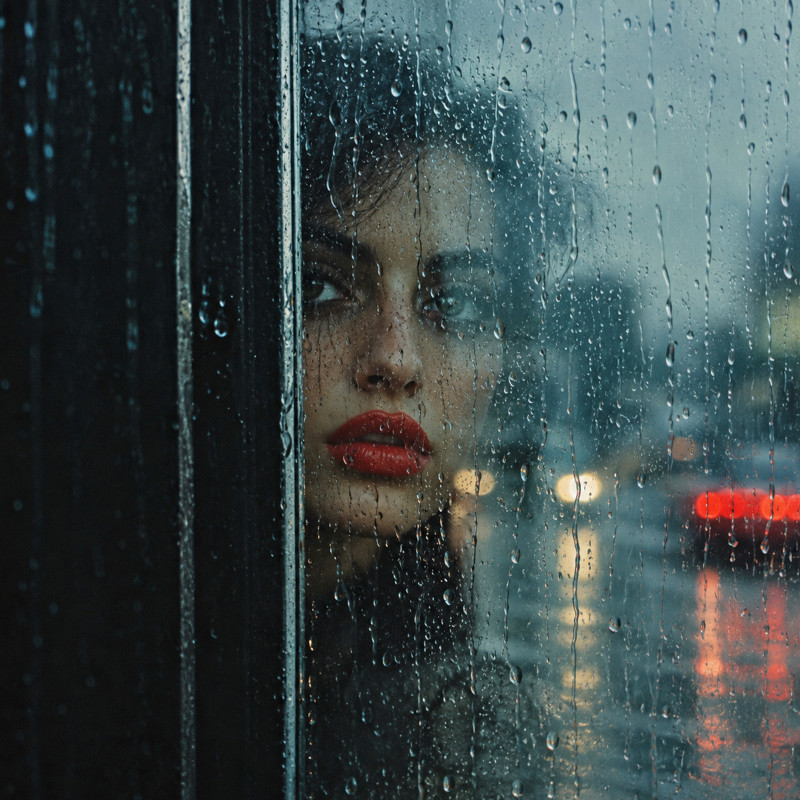
1st place: by DDiArte
2nd place: by Antonyus Bunjamin (Abe)
 3rd place: by Anna Cseresnjes
HONOURABLE MENTIONS
|
| | DonnaHom APA PRO I always like rainy days because it has the reflection on the floor and moody. Congratulations to all winners. |
 | Adolfo Urrutia PRO Congratulations to the winners. Thanks a lot, dear Yvette. |
 | Sunil Kulkarni PRO Congratulations to all the selected photographers—and a special thank-you to the curators for the difficult task of choosing from so many outstanding images. Every selected photograph is truly remarkable. While I’m a little disappointed that mine wasn’t included this time, I’m inspired by the exceptional work and look forward to the next opportunity. |
| | Jay Satriani PRO Congratulations on the selected works... you are a wonderful inspiration... and to my fellow countryman who won second place—congratulations, Om Anntonyus. |
| | Gary L Holman PRO Congratulations! to DDiArte and all Photographers. Wonderful! selection. |
 | AGNIRIBE PRO Excellent, but the link to ^photo page and artist is missing |
 | Sokol Priftaj PRO Inspiring article and photos |
 | beautiful selection |
 | beautiful selection! |
by Yvette Depaepe
Published the 12th of October 2026
Aleksei Makarenok is a fine art photographer and costume designer from Latvia. He deeply values artistry, uniqueness, and beauty. His approach is purely creative, free from clichés and templates. Every new project sparks original ideas, bespoke costumes, and fresh concepts. He creates and reveals an alternative reality—a world of dreams, fairy tales, hopes, and experiences. He builds an extraordinary world inhabited by the magic of light, where history is captured in a single frame.
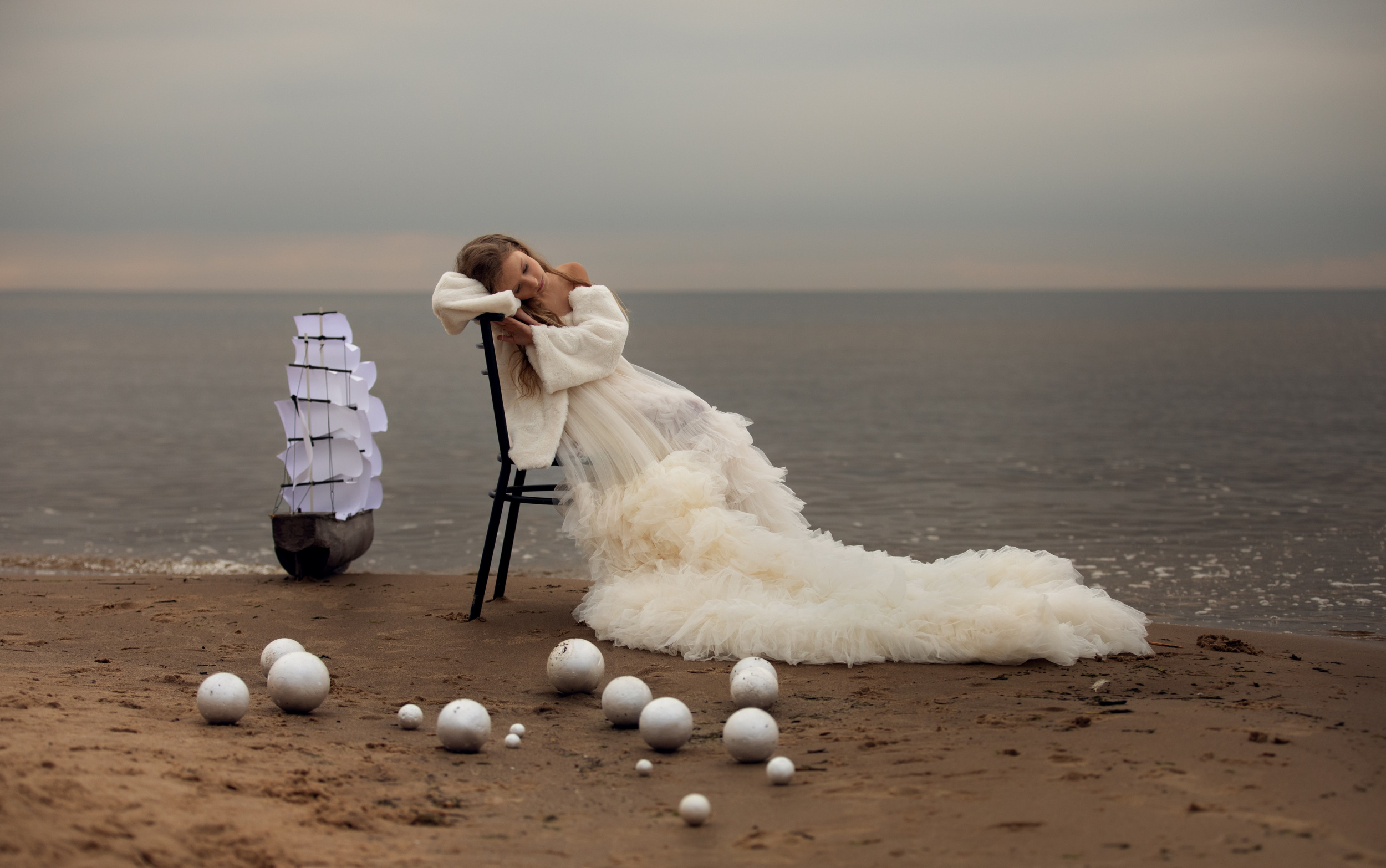
My sea______
The Roots of Vision: A Childhood of Details
My journey into the world of photographic art began long before I ever held a camera. It started in my childhood. I have always been fascinated by the details that others seemed to overlook. I could spend hours watching water droplets fall into a puddle or gazing out of a train window at the dancing flares of light created by the setting sun through the rushing wires. Even now, the specific scent of a train takes me back to those days – I call it the scent of my childhood.
My family was always amazed that such a young child could be so intensely focused on the smallest things. I would take a sketchbook and draw things like the heavy wheels of a train and its mechanical couplings, as well as the textures around me. I would observe people and my friends in the yard, always looking straight into their eyes.
This passion later led me to art school. While other children drew basic shapes, I was captivated by the details: water droplets on bare branches, birds and the interplay of light. It was during those early years that my profound love of warm, faithful, cinematic light was born.
Creating Worlds and Ancient Souls
I was never interested in noisy games or silly childhood pranks. Instead, there was a small group of us — three boys and two girls — and by the age of ten, we were already having deep conversations about where we came from, why we exist and whether the stars above were our true home. We treated each other and our friendship with immense respect. Together, we created our own worlds and inhabited imagined realities.
This background is the foundation of my desire to create my own visual worlds, using the same light that I remember from my childhood. This explains why children feature so prominently in my photography. For me, it is not a retreat into the past, but rather a way of viewing the world through the lens of childhood in order to create magical, mystical, cozy and wise realities.
Eyes are sacred to me. I vividly remember the eyes of girls in the 1990s – they had a certain depth, with a hint of melancholy, yet they were as honest, alive and expansive as the cosmos. I still don't fully understand that universe, but I'm constantly trying to decipher it through my lens. These questions and these eyes are present in almost every single one of my frames.
The Language of Dress and the Search for the Mirror
I am a certified fashion designer by education, which is my primary profession. However, I picked up a camera when I realized that nobody could capture the essence of the dresses I created better than I could. In order to truly convey the story of my garments, I knew I had to capture them myself.
But a dress is merely a shell without the right soul inside it. I searched for a very long time for models — young, talented actresses who could do more than just pose; who could mirror my thoughts, live through the concept and convey the depth of a wise soul. I genuinely believe that souls come into this world with different purposes: some to shed light, some to heal and some to teach and learn. Then there are the ancient souls who have already been here before. Perhaps it's just my imagination, but what if it's true?
One of these young muses is Alisa. Her mother, Marija, noticed a long time ago that Alisa was different — she was deeply creative and always busy drawing, inventing things and exploring the world. Alisa has an extraordinary talent for acting. She is incredibly complex and wise beyond her years. Most remarkably of all, she can actually see music.
As well as my young muse, there are adult muses who inspire me just as deeply. One of them is Zhenya. She is a woman of strong character, but her true phenomenon lies in her profound wisdom. She has a mystical gaze and understands everything without a word being spoken. She also holds an unknown, mesmerizing secret that is impossible to fully grasp. While Alisa is a princess of light and creation, Zhenya is a princess of mysteries and mysticism. Although I work with many other incredibly talented women, Alisa and Zhenya represent a different level of artistic connection at this stage of my journey.
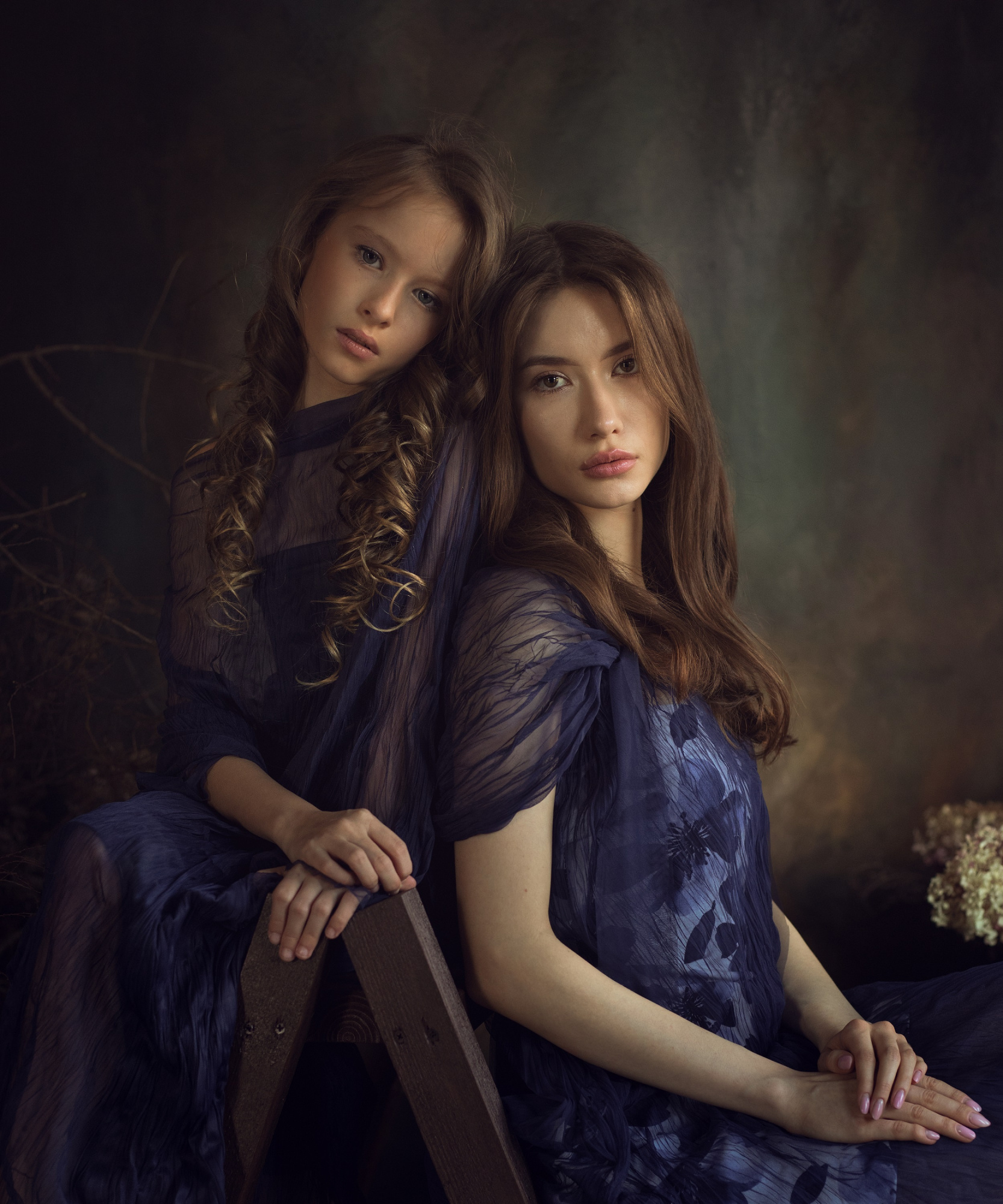
Who do you give your love to_____
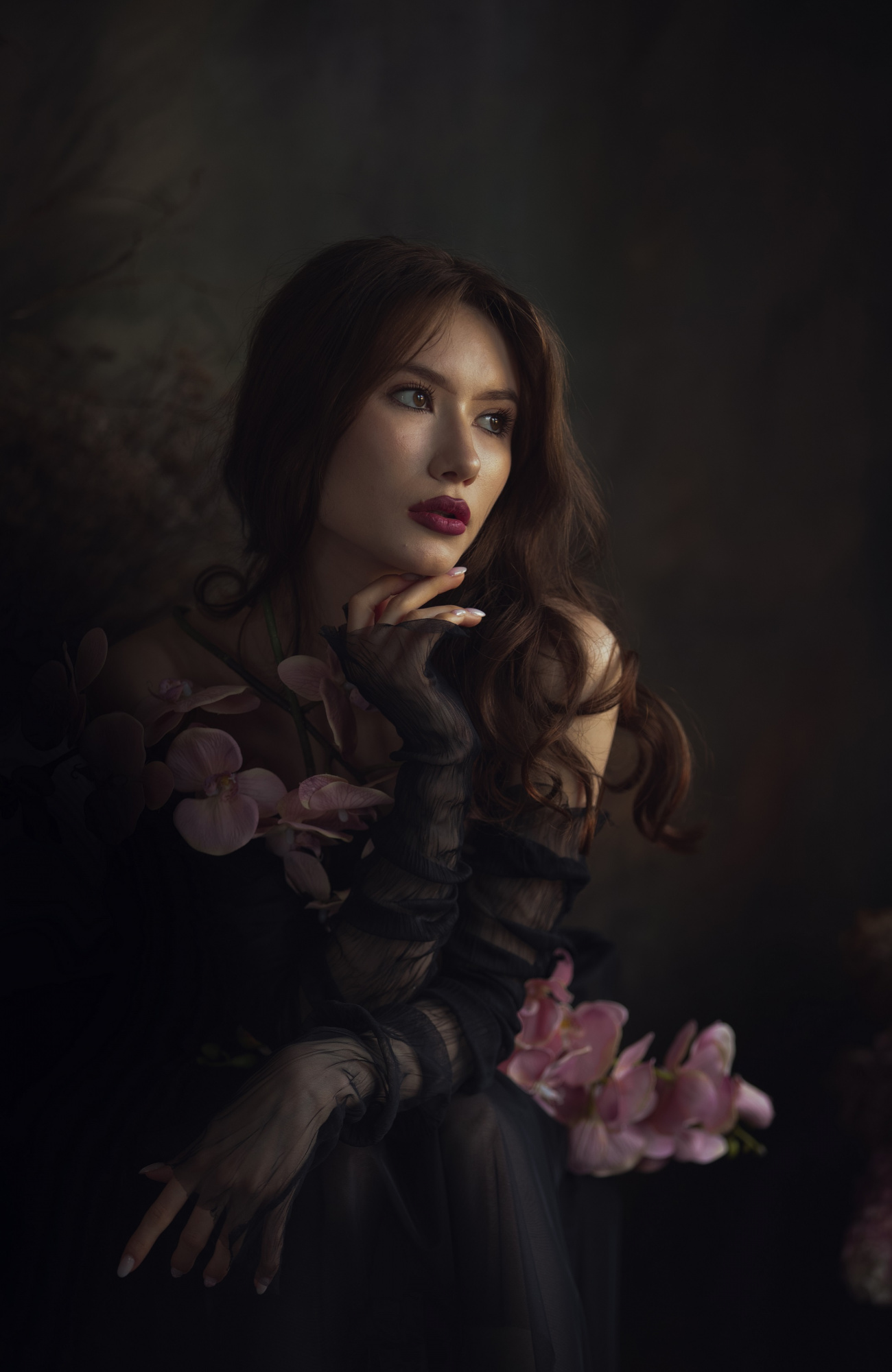
Light From The Darkness_____
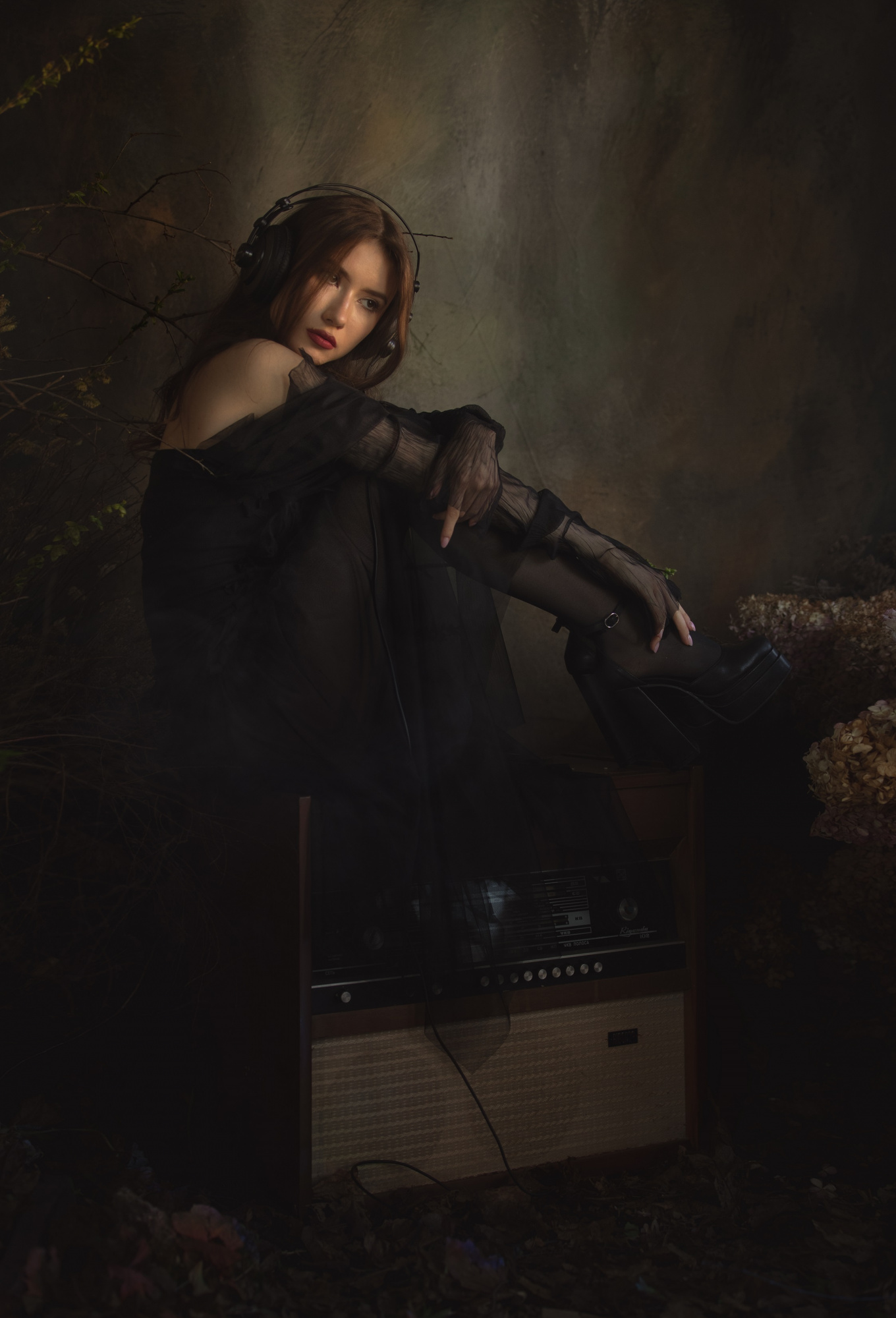
Moment like this______
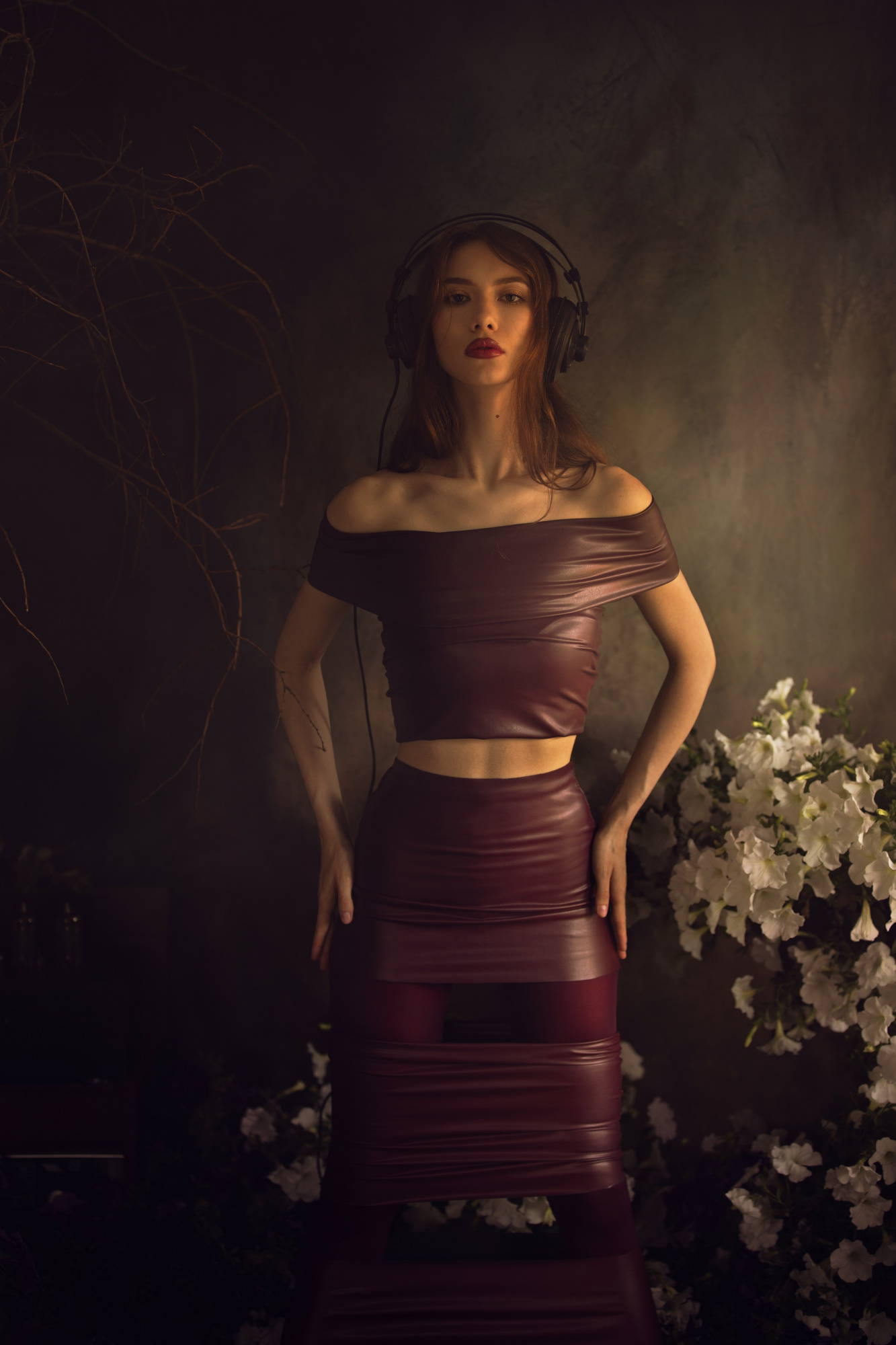
Timeless Heartbeat______
Seeing the Sound: The Gift of Synesthesia
The phrase 'to see music' often causes misunderstanding when people hear it. For me, however, it is a living reality. I see music. I am blessed with a rare form of synesthesia, which my friends have explained to me.
When I listen to a melody and it resonates with my current emotional state, I don't just see flashes of colour — I see a whole cinematic film. I see characters, such as a girl walking or waiting somewhere. I can effortlessly isolate individual elements of the music — the synthesizers, the pads and the subtle, hidden vocal samples. I can instantly tell whether a singer is insincere or performing with genuine sincerity. I can hear the slightest falsehood in the sound, or, conversely, I can be completely immersed in my own world.
This is my main source of inspiration. I would like to express my heartfelt gratitude to the musicians. Without you, I would not exist, nor would any of my work. You bring the sketches in my mind to life using only sound. I specialize in progressive trance, ambient and breakbeat — anything with cosmic, delicate and deeply feminine vocals; anything spacious, strange and mysterious. Every instrument carries a colour, a shape, a mood, a gaze, an atmosphere, a contrast, a softness, a sadness, or a bright, beautiful melancholy. They hold dreams and thoughts about life and about us as human beings.
Sometimes I feel like a tiny speck of dust in this vast world, lying unseen by anyone somewhere by the sea – yet I exist. Through my images, clothes and eyes, I express the thoughts and feelings that inspire me. In my world, aesthetics is the empress and sincerity is the empire.
In my visual stories, clothing plays a sacred role; it is never merely decorative. It is an extension of the muse herself and a reflection of her state of mind. I build the environment around her, using flowers that I grew myself or dry tree branches, for example, to create stage decorations like in a theatre or cinema, a subject that I am deeply passionate about. My favourite approach is shooting in natural, living locations. The sea is mysterious like women, and can be calm or stormy. Its immense, endless scale mirrors my dreams, the keys of a piano or a piercing vocal line. There was a line in a song that has stayed with me: 'Even the trees fall silent, like girls by the water.' I use allegories in my photographs to communicate, and I always smile with joy when a viewer successfully interprets the hidden meaning in my work. If a girl looks straight into the lens, she is conveying something important. If she sits on the seashore, she is contemplating the future and observing the passage of time. If her eyes are closed, she is dissolving into the moment. If she is standing in the snow, it means her soul is freezing from the world's indifference. My friends often say that my photographs resemble a film captured in a single frame.
The Craft: Chasing the Living Light
Looking ahead, I have recently become deeply fascinated by cinematography. I am increasingly drawn towards filmmaking. My dream is to become a director of photography and capture those extreme close-ups where the camera powerfully captures the eyes of the subject, causing the viewer to suddenly hold their breath.
For now, though, I work with a humble yet incredibly reliable setup: a Canon EOS 5D Mark IV and its older sibling, the Mark III. My favourite lens is the Canon EF 50mm f/1.8 STM. I occasionally use the Canon EF 70-200mm f/2.8L, which I love for its distinct cinematic rendering. That is all I use. I don't use tripods, studio lights or flashes – in fact, I have never even used them. Living, natural light — the exact light your eyes see — is the ultimate divine illuminator.
Before the advent of digital photography, I worked with film using a Zenit 122. I loved Fujifilm for its beautiful greenish colour palette, but I was never quite fond of Kodak because of its yellowness. My current work has a strong connection to classical painting. I sometimes paint canvases, but I never show them to anyone — they are private, like icons. I experiment with shades, colours and shadows on those canvases that later manifest in my photography.
Young photographers often ask me about equipment, and I always tell them that the best camera is the one that suits you personally. I'll reveal a big secret: I know exactly where the 'masterpiece' button is on a camera. It exists. It's called Nasmotrennost, which means 'visual literacy' or 'cultivated taste'. It is the key. You must constantly study and look at the works of masters — not to copy them, but to learn how to create something entirely your own.
For many people, photography is just a hobby. For me, however, it is a way of life. It is the reason I live. It is my oxygen. I think about composition every single minute. I never force myself to come up with ideas; they come to me suddenly — a stranger's gaze on the street, a tear, the wind, the shimmer of water. A photographer is simply a painter who uses light to draw and colour the canvas with the mood of their soul.
During my process, I simply observe and add decorations. There is no point in shooting 40 frames per second — that is meaningless. I capture the exact split second when, as Stanislavski famously said, 'I believe'. In that moment, a tear rolls down my own cheek. I treat my muses with incredible care, respect and gratitude. Thank you, girls, for being by my side. Thank you, God, for granting me this opportunity to create beauty, which you have embedded in each of us. The world may have forgotten this for a moment, but we will surely remember. Together with my muses, I aim to be a lighthouse in this universe, sending out a signal that says, 'If anyone can hear us, answer — you are not alone.'
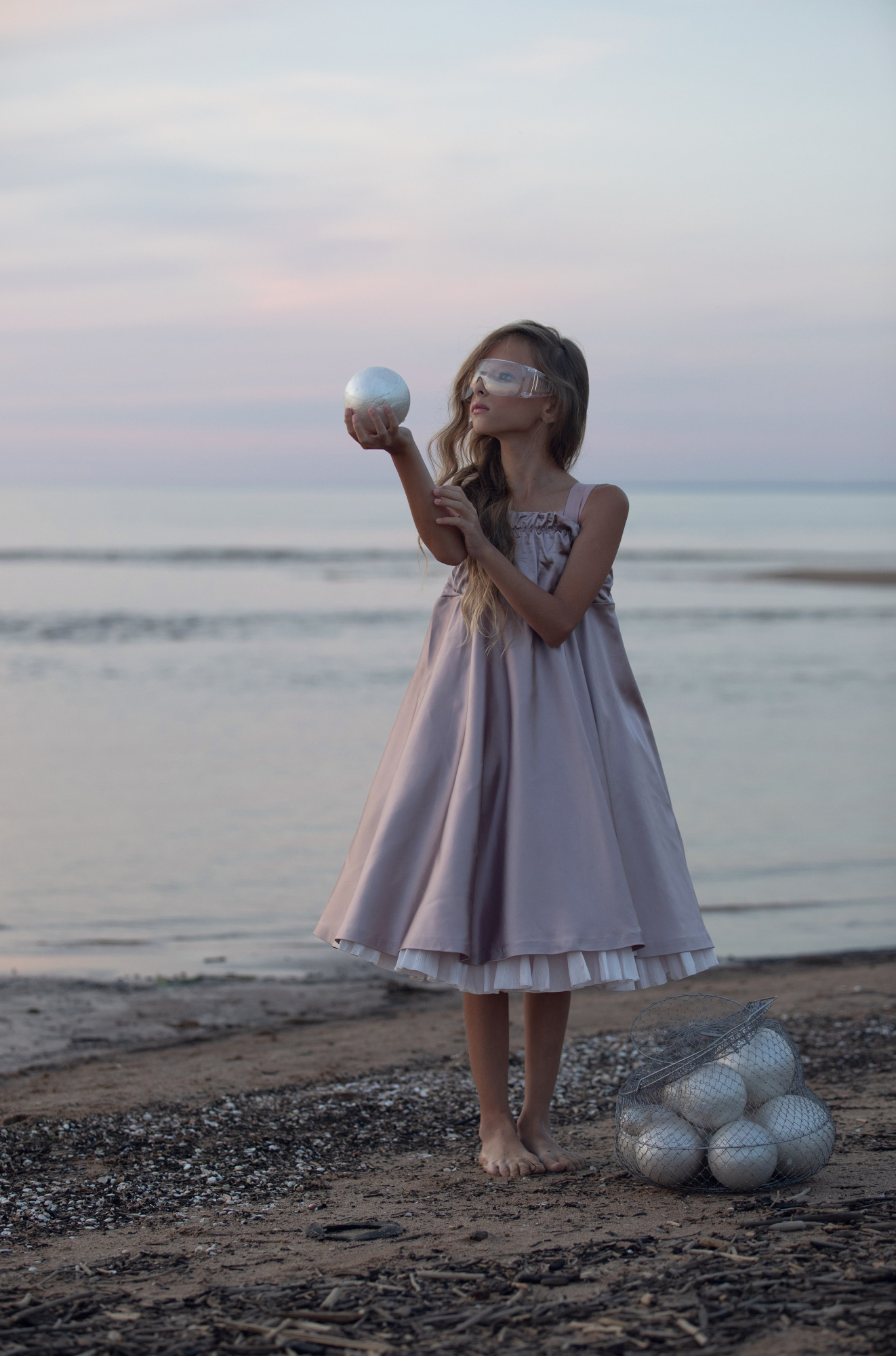
Fading Ether______
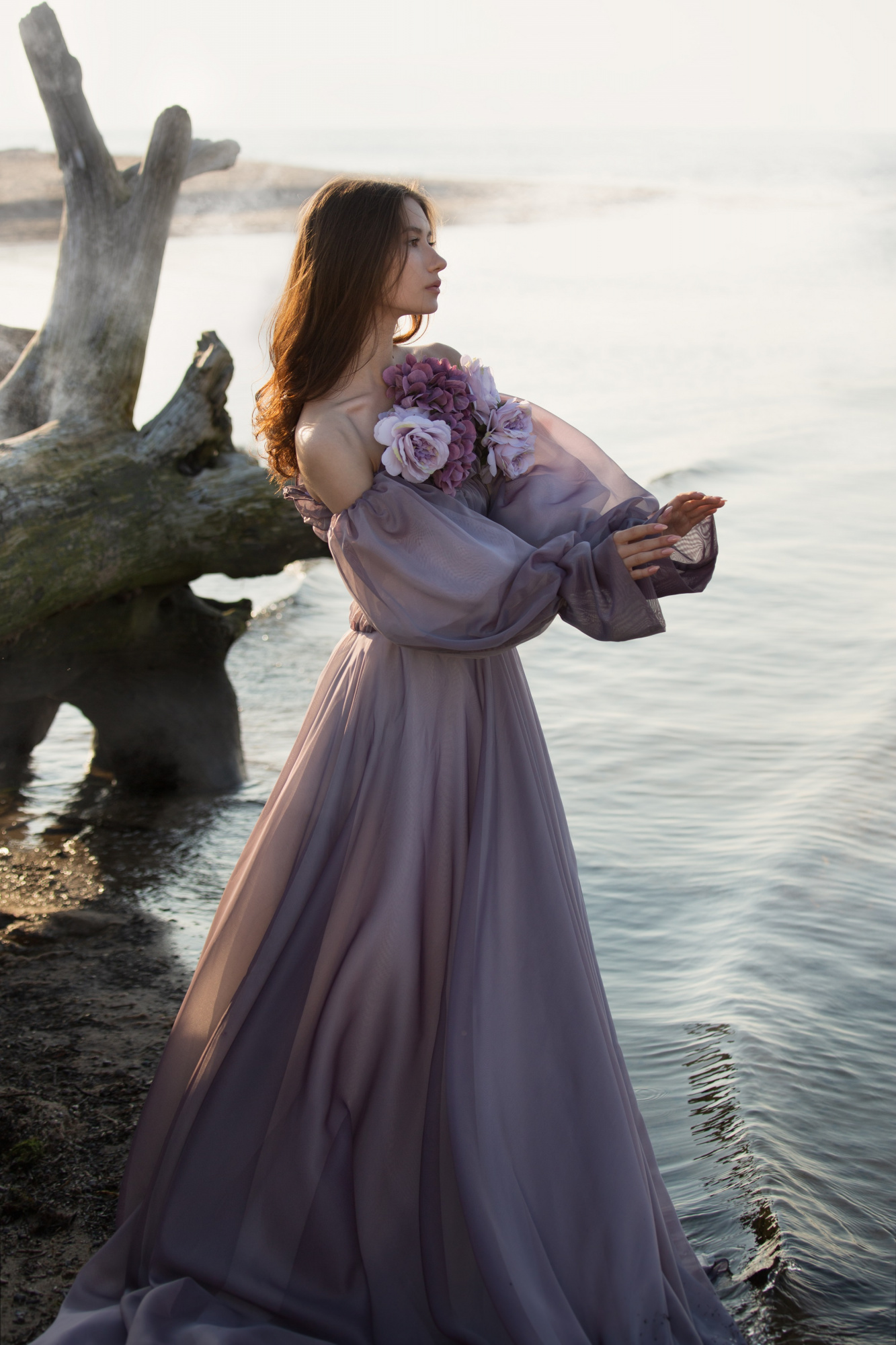
The Place What You Don’t Remember______
Where the dawn is_____
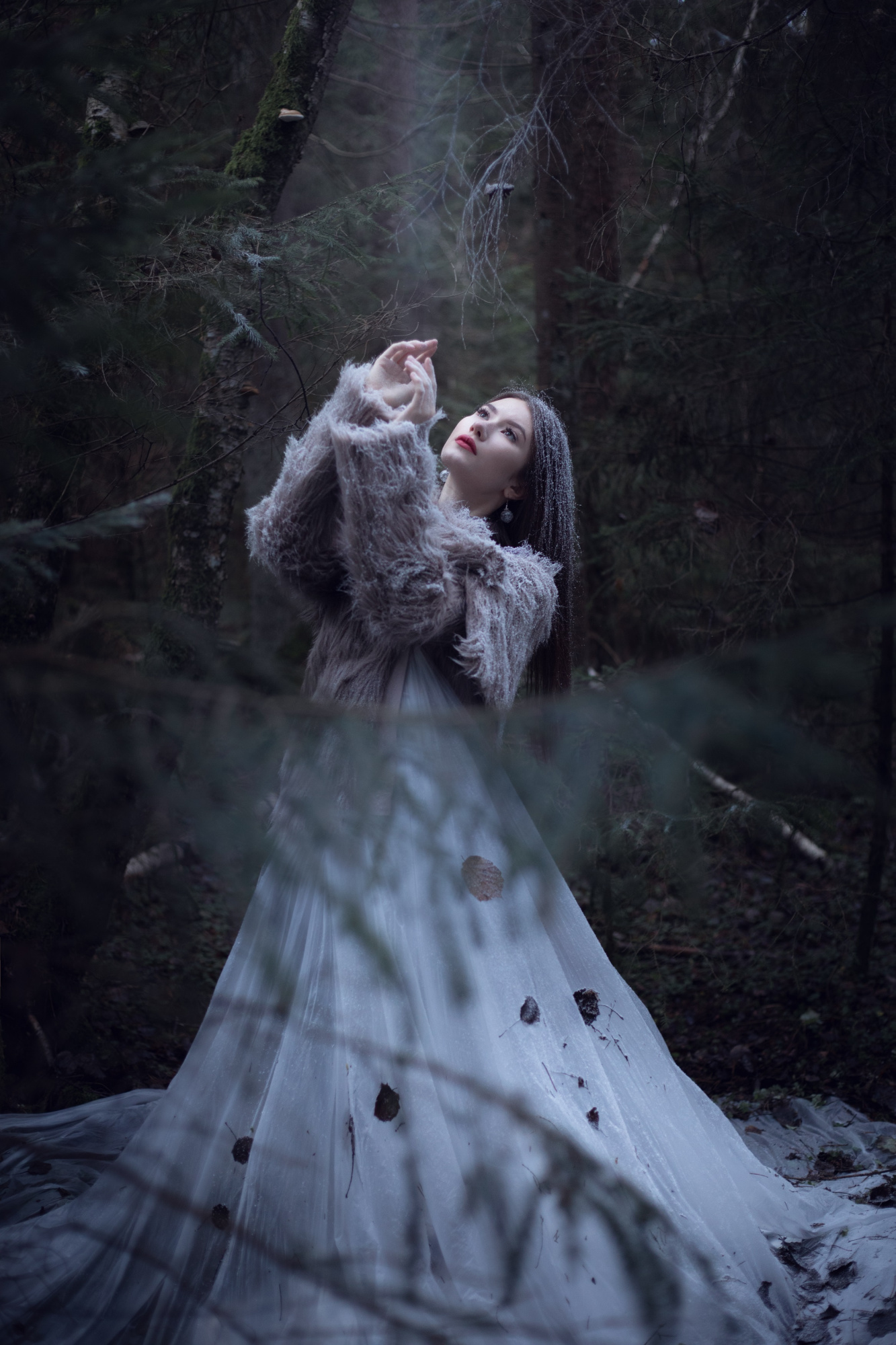
Touch of the Infinit______
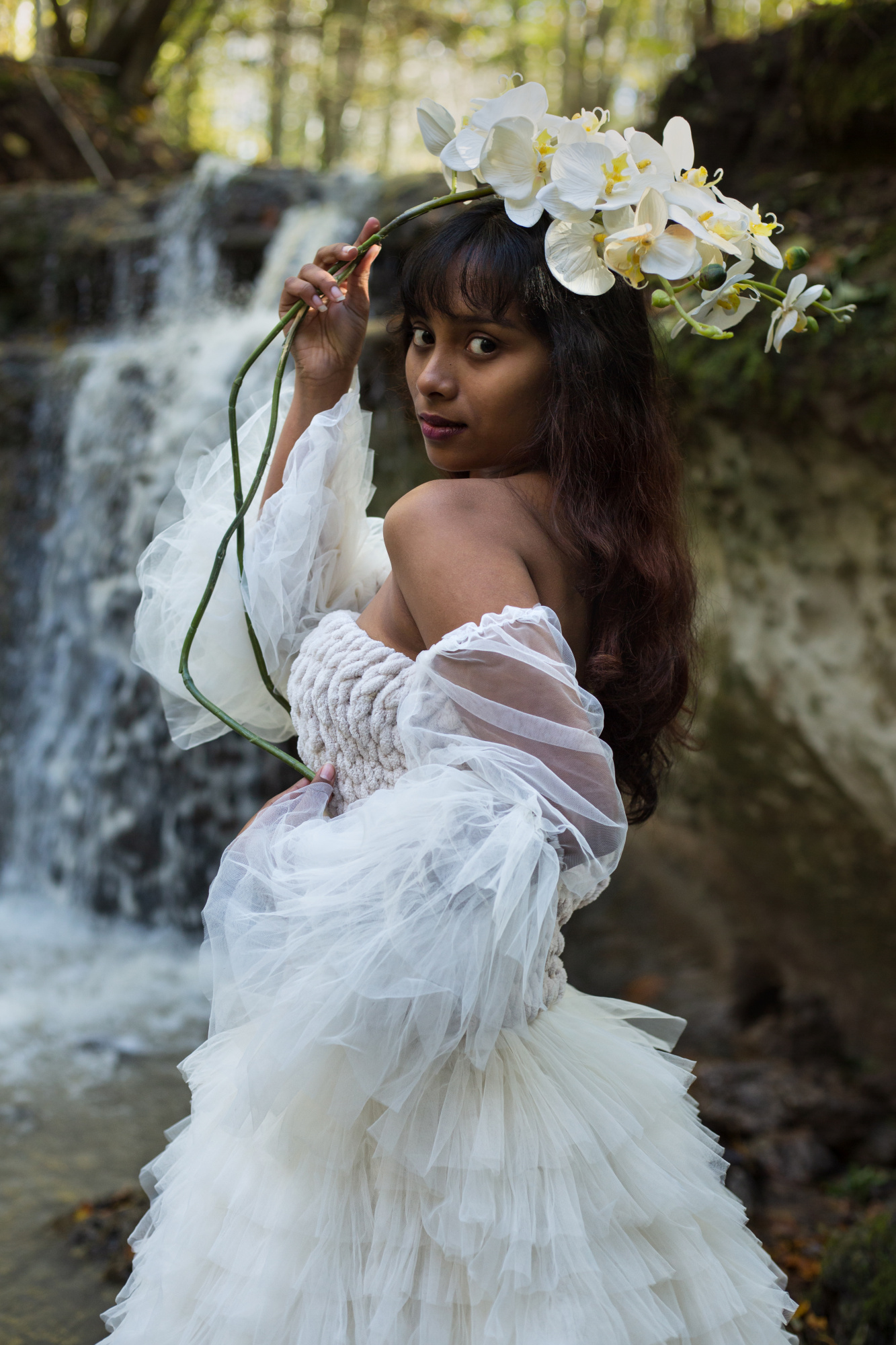
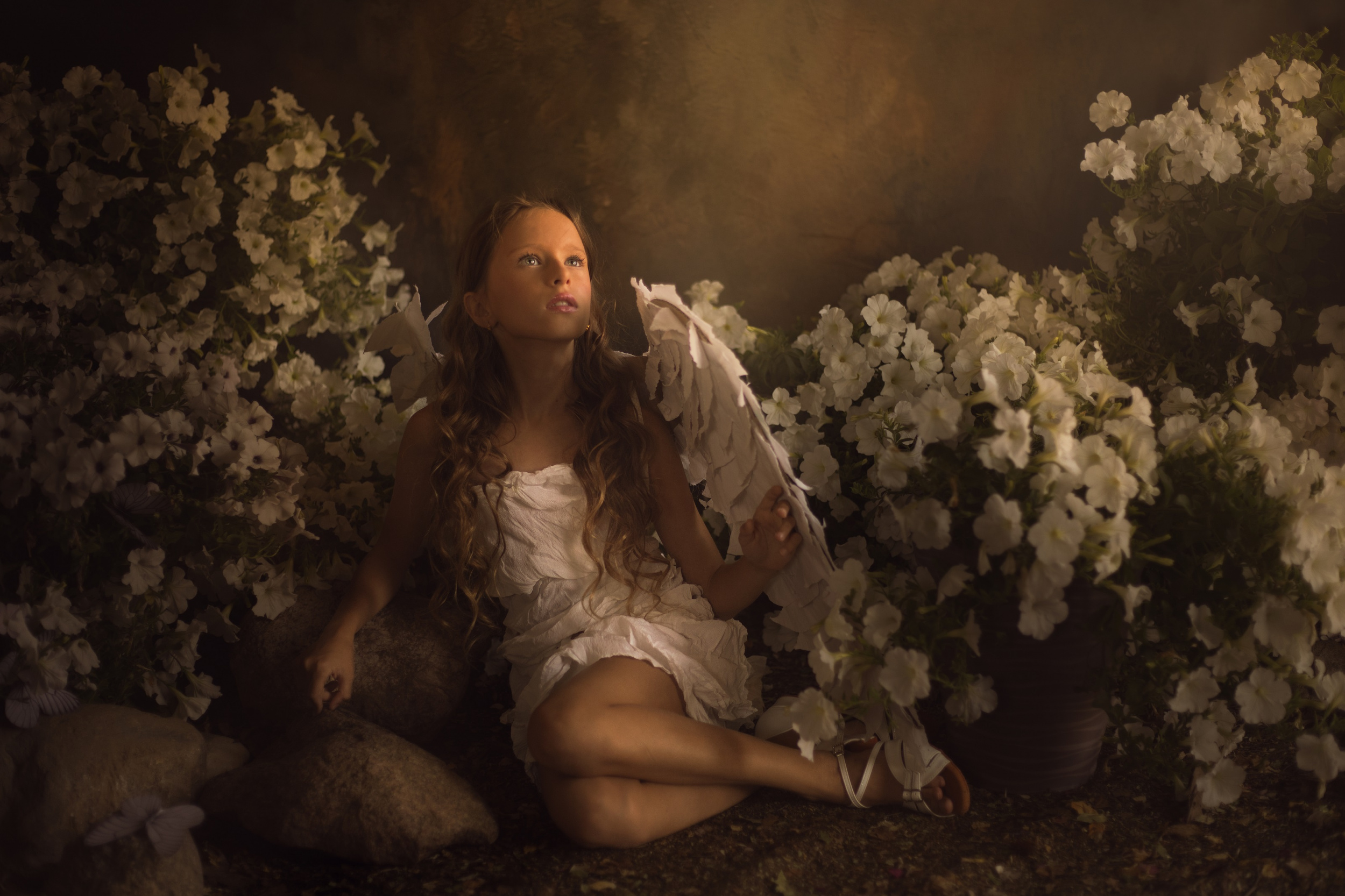
Angel______
The Story Behind "TIMELESS: OBSESSION" and Future Dreams
I can't pick a favourite photograph — my work is like my children. How can you say one is better or worse than another? They are all yours. However, if I had to choose a definitive piece for this moment, it would be 'TIMELESS: OBSESSION'.
The story behind its creation is shrouded in mysticism. It was my first attempt to bring together two entirely different muses with a ten-year age gap. They are so different yet, as it turned out, so profoundly similar. This proved to me that contrast exists not only in colours, but also in characters, and that harmony can be found between them.
It took the girls a full two hours to calibrate their energy and adjust to each other. For a moment, I thought I had failed completely. I felt lost, not knowing how to bring them together as a group, and they must have seen my desperate attempts — perhaps even my despair. Then they looked into my eyes, and suddenly, that magical connection happened. I believed, and tears filled my eyes. That is how this series and this specific frame came to be – a moment when two massive storms, two universes, collided and complemented each other without a single false moment.
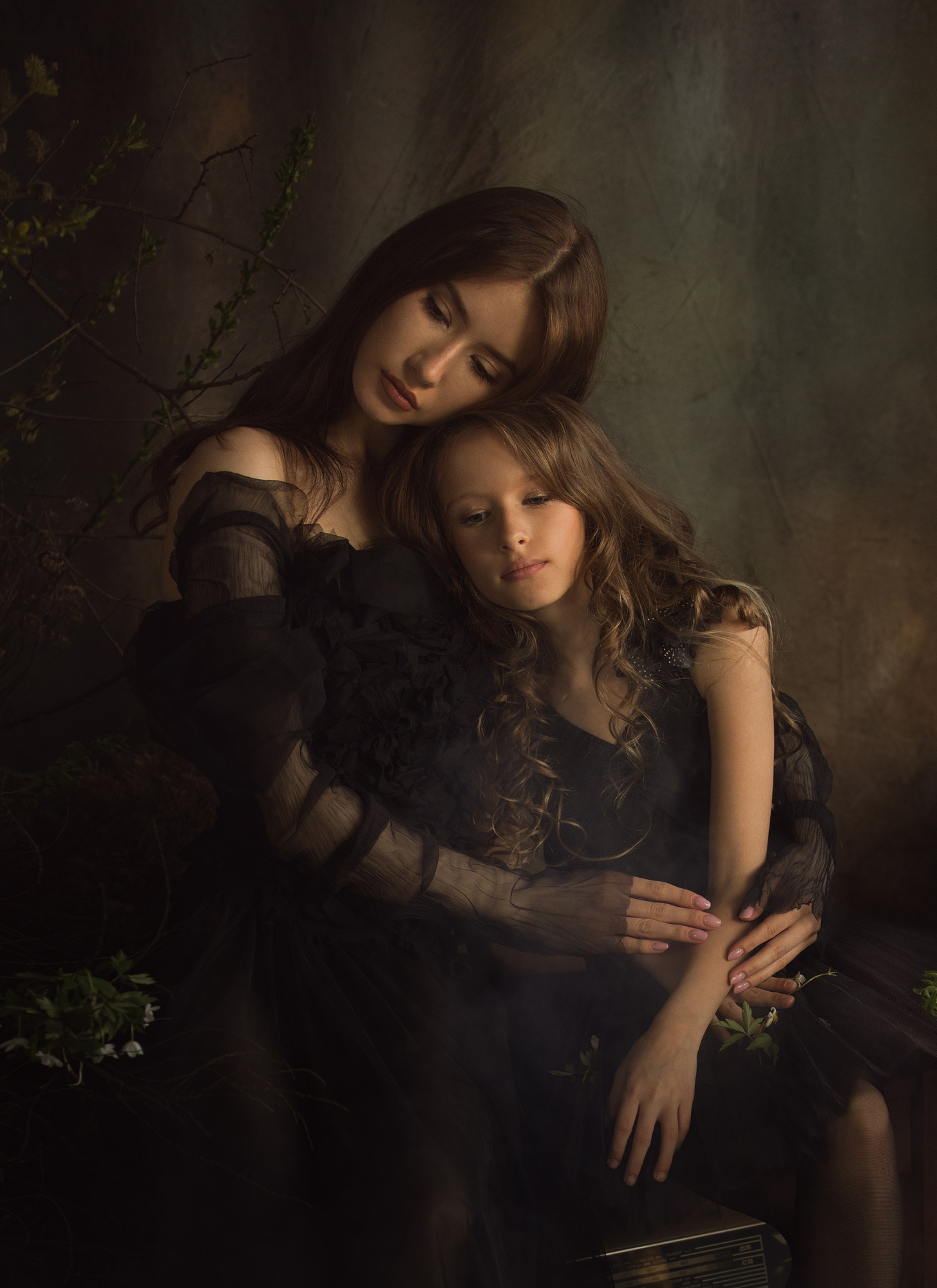
TIMELESS: OBSESSION______
'I do not believe in idols, for it is written: 'Do not make yourself an idol.' I believe that we are all part of this world and that everything is interconnected — without light, there is no shadow. In my view, all authors are beautiful and unique in their own way.
My dream for the future is to hold an exhibition of large photo-paintings of my work in a gallery. I would like the music that inspired them to play in the gallery while my muses sit nearby wearing the dresses they modelled for me, like living photographs come to life. I want people to approach art, fall silent for a moment while they contemplate the emotions, and whisper to themselves: 'Yes... I feel this too. I understand. I am not alone.'
A New Door: Speaking Through Poetry
About a month ago, a new door opened in my soul. I was looking at a finished photograph when, suddenly, lines of poetry came to me. Although I had never written poetry before, it felt as though someone or something was speaking through me. I think God opened another door to creativity through my soul.
Sometimes I feel that I am simply too sensitive for this world. I have always been this way, like an exposed wire without skin. I feel more deeply, I see more, but this sensitivity also allows me to understand human beings much better.
I leave you with these lines as my wish to everyone.
Let us live this life at 100%, because we only have one, and there won't be another:
Sometimes we search for ourselves in this world,
Sometimes through the thorns of mistakes and doubts...
Leaved from us is the true path and enlightenment.
And you think: is it just pure luck,
Or a joke of the Universe when things get tough?
But do you know: those are just the shadows of doubt,
Shouting artfully, trying to lead you astray?
What if you pause to hear yourself quietly for a moment -
That whisper which always guides your way,
Which heals you in times of hardship,
And brings you hope, leading you forward,
Will softly, barely audibly, whisper:
"Do not be afraid... I am God, I am with you..."
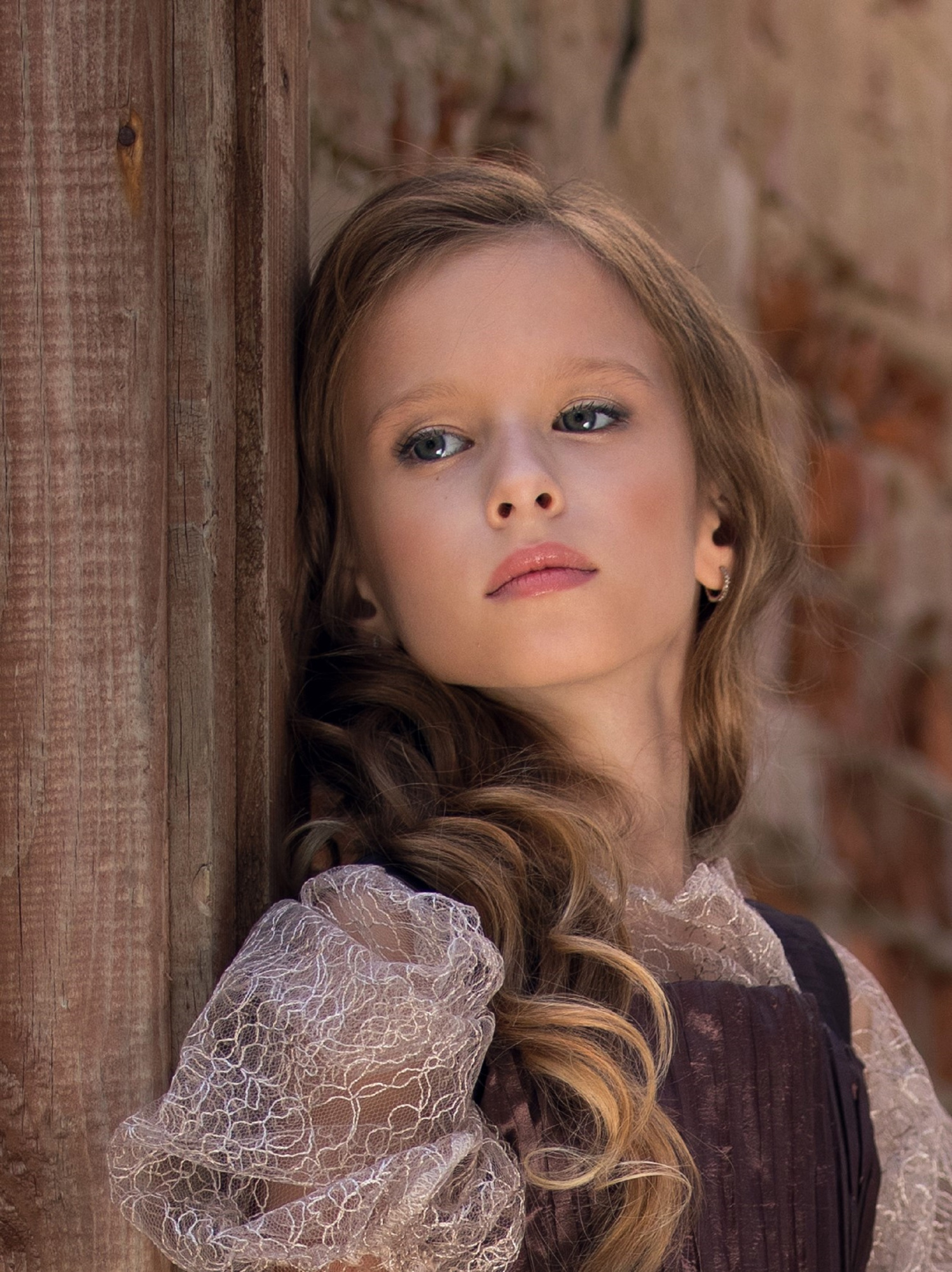
In search of wonder_____
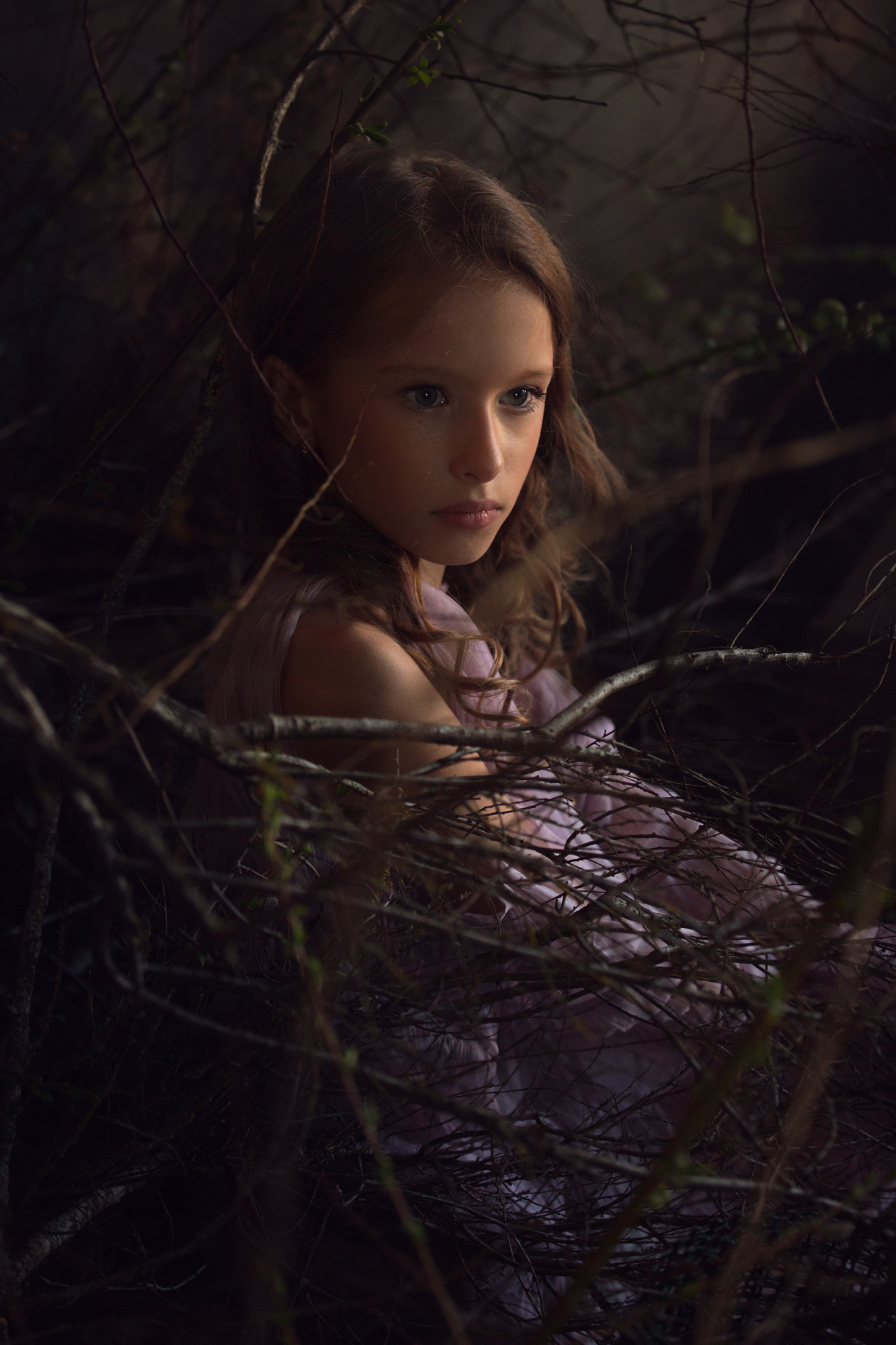
Too lost in time______
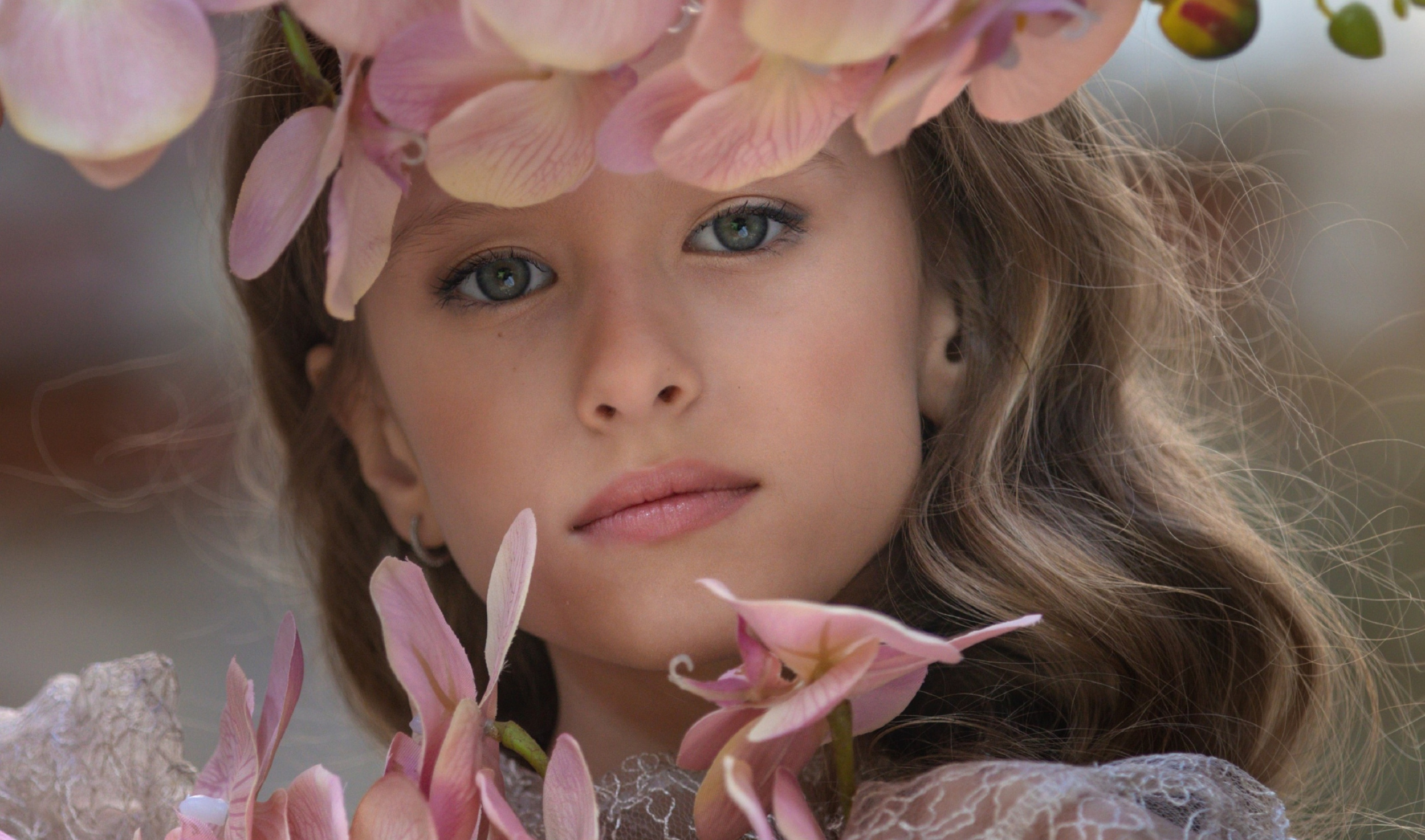
Anima Antiqua______
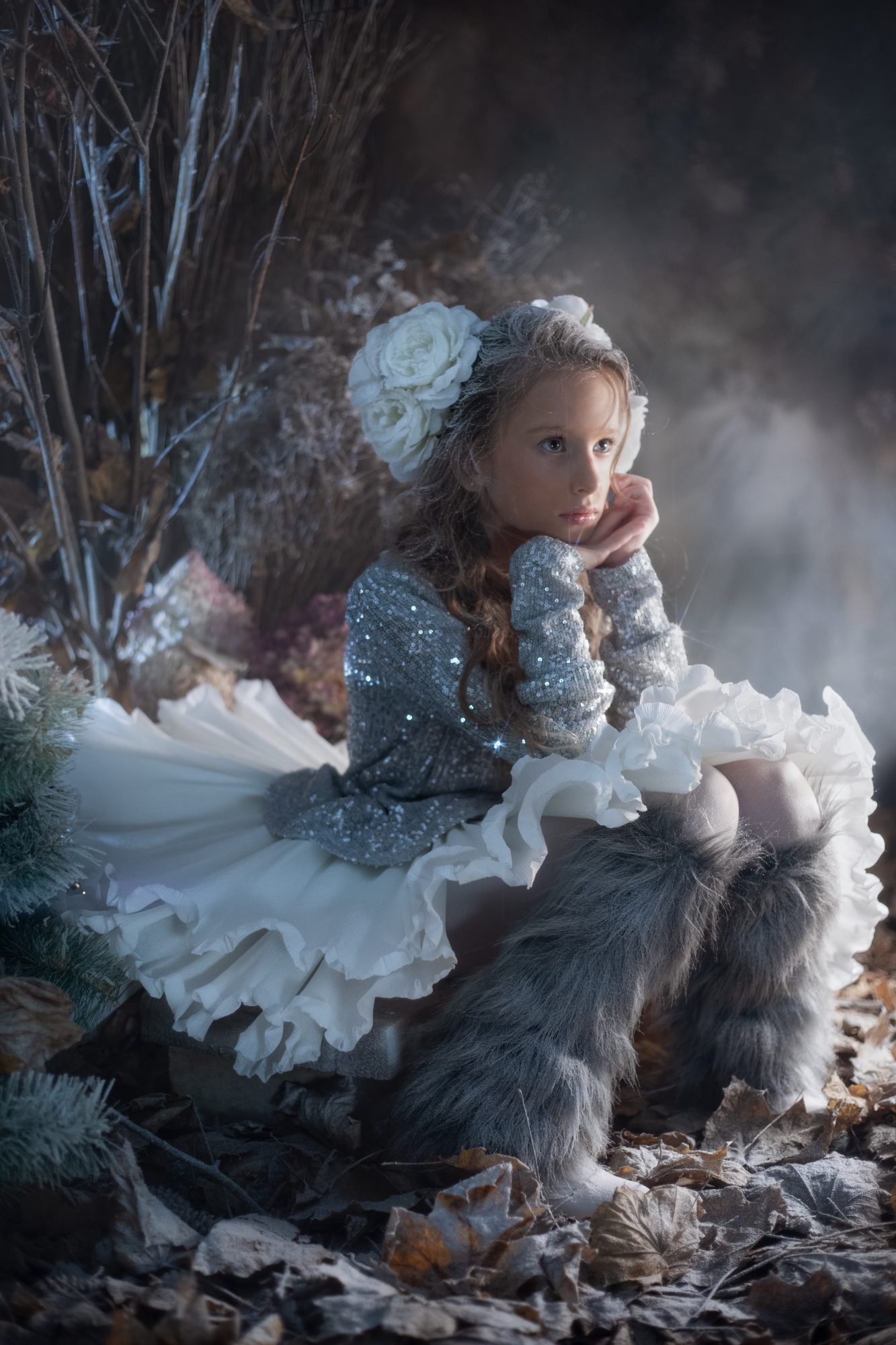
Winter garden______
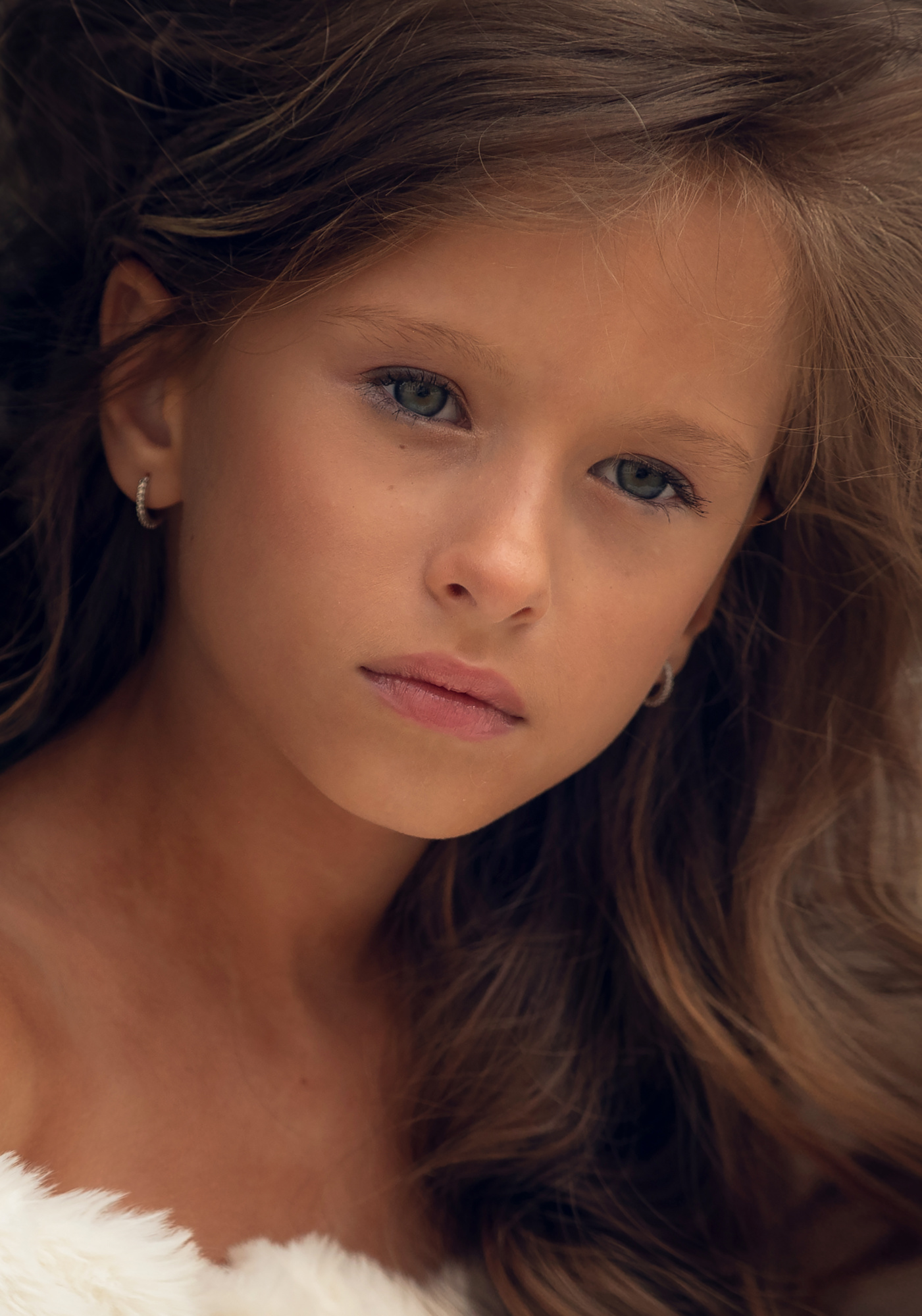
Echoes of Awareness______
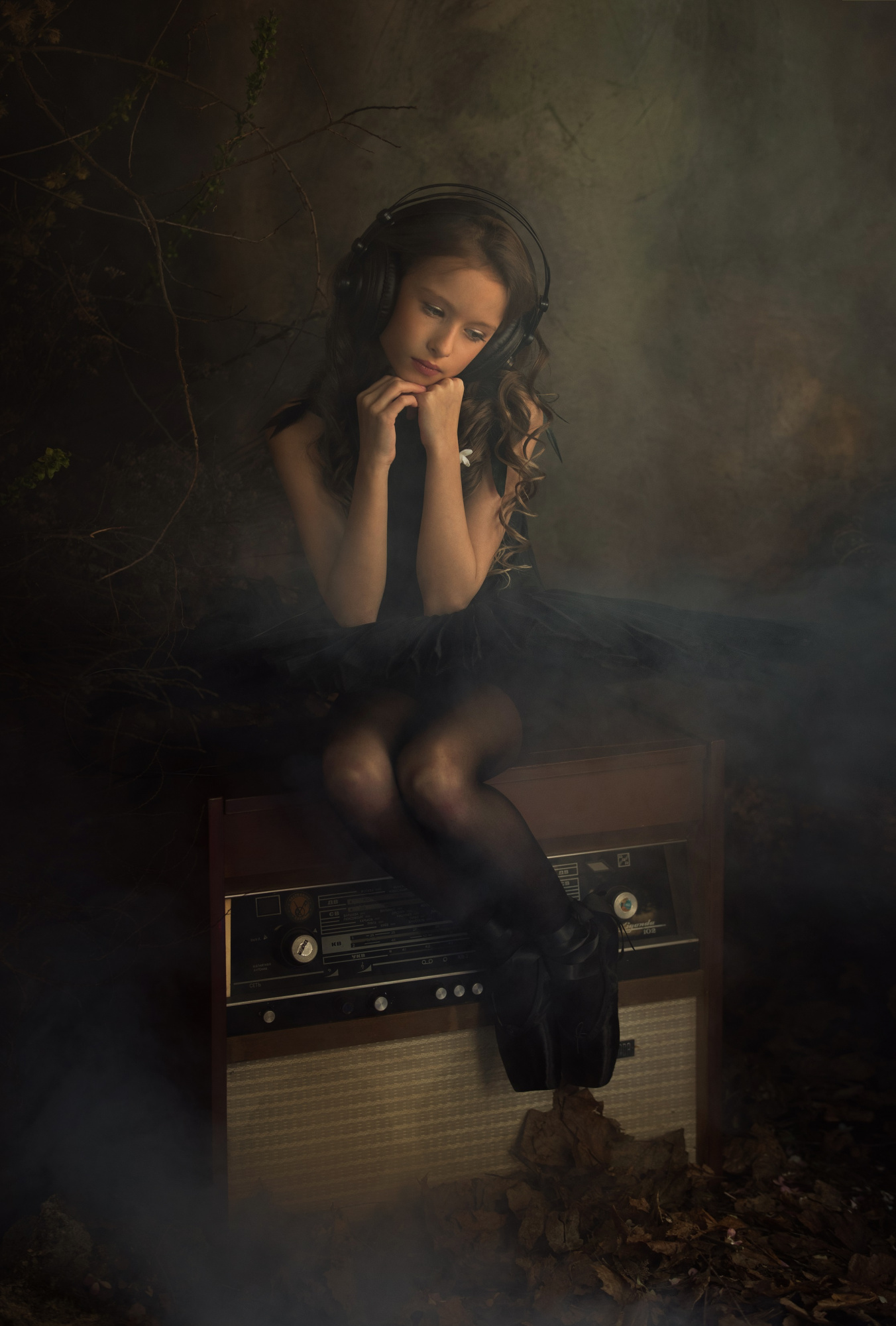
Frequency______
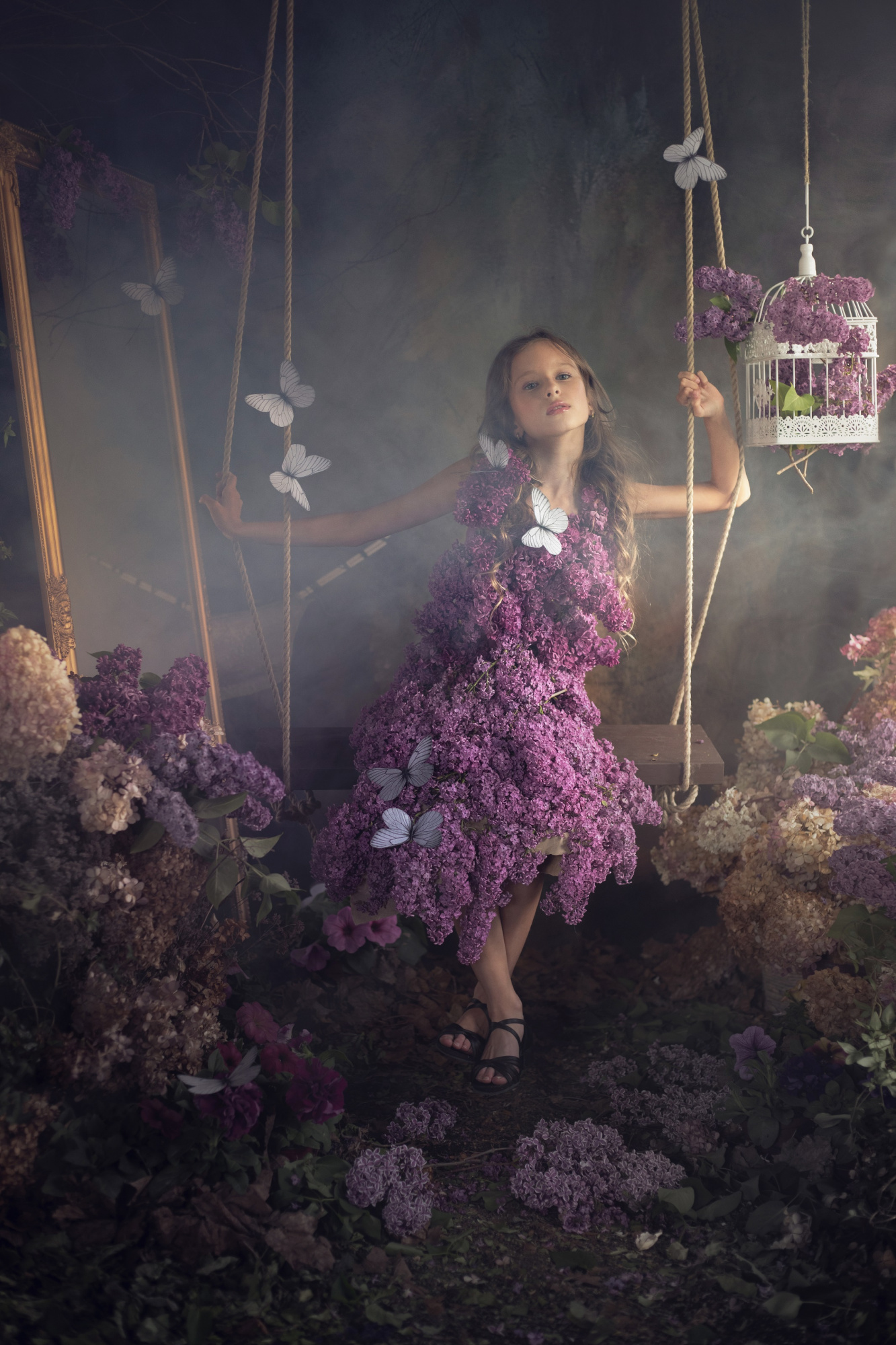
The Call of Dreams______
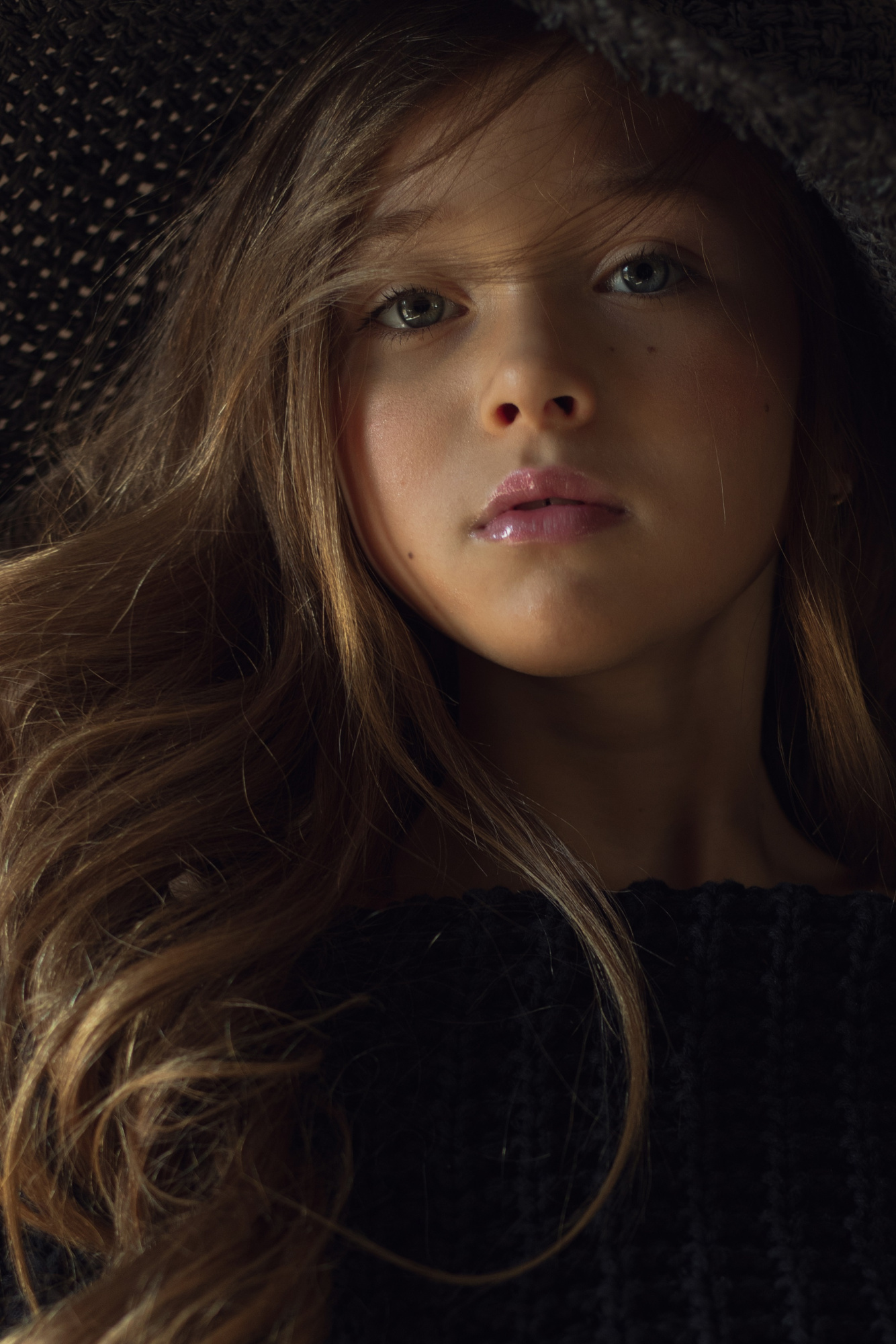
Echo of the Present______
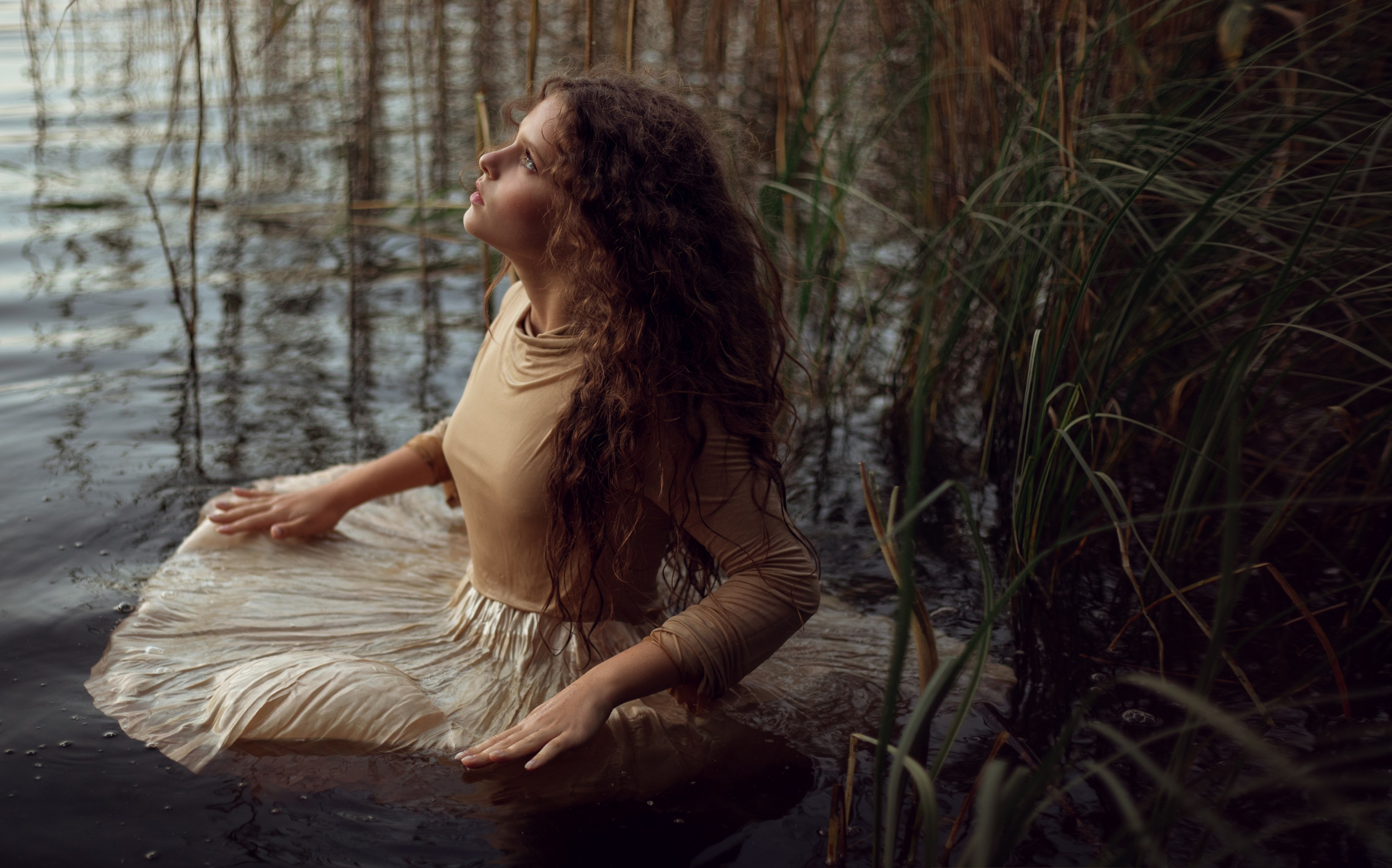
Heart so unstable_____
|
| | Yaping Zhang PRO 太美了 |
| | Robert Žumer PRO Bravo!!! |
 | Thank you, Robert!I am very glad that my story resonated so deeply within your soul. |
| | Jay Satriani PRO A deeply profound article, expressing the sincerity and honesty of the heart. You weave everything together, from the shell and form to the feeling. These three elements have become one within you, giving birth to beautiful works that seem guided by the universe, carrying messages that illuminate life.
I deeply appreciate and feel connected to two of your favorite works, My Sea and To Whom Do You Give Your Love?
Congratulations, Aleksei. It feels as though it is no coincidence that your work appeared in 1x Magazine and became a beautiful message meant for me.
My heartfelt thanks to my longtime friend and senior fellow photographer, Yvette Depaepe, for becoming God's extended hand in bringing this beautiful message to me..... Best Regards |
| Thank you for such a deeply profound comment, Jay. To be completely honest with you, there are absolutely no coincidences in this life. I truly realized this through working with my muses. Moreover, I feel that we are translating ideas that don’t entirely belong to us. I know it sounds strange, and I often ponder it myself... But the works I create seem to come from somewhere else, and the girls, being completely in the flow, simply mirror that higher thought. I don't fully understand it with my mind, but I feel it with my heart: it is all meant to make this world a kinder place. It might sound cliché, but yes, this is how God speaks through us, through human beings. While watching the films of Andrei Tarkovsky, I realized he was trying to say the exact same thing: God is in the raindrops, in a child’s laughter or melancholy, in the wind, and within ourselves. I am incredibly happy that you heard and saw this signal. Thank you. |
 | Very interesting interview and amazing portraits! Congratulations, dear Aleksei! Thanks a lot to Yvette! |
| Thank you so much, dear Svetlana. This is what embodies truth and sincerity. That is the very essence of the story. I also join you in expressing my deepest gratitude to Yvette. |
 | Yang Jiao PRO I thoroughly enjoyed reading the magazine. It is truly fascinating and inspiring. The photographs are beautifully captured and thoughtfully presented, each a remarkable work of art. Congratulations on this outstanding achievement, and thank you so much for sharing such a wonderful collection with us! |
| Thank you so much for your kind words. I truly appreciate your feedback. |
 | Excellent |
| Thank you very much. Really appreciate it. |
by Editor Jane Lyons
Edited and published by Yvette Depaepe, the 9th of October 2026
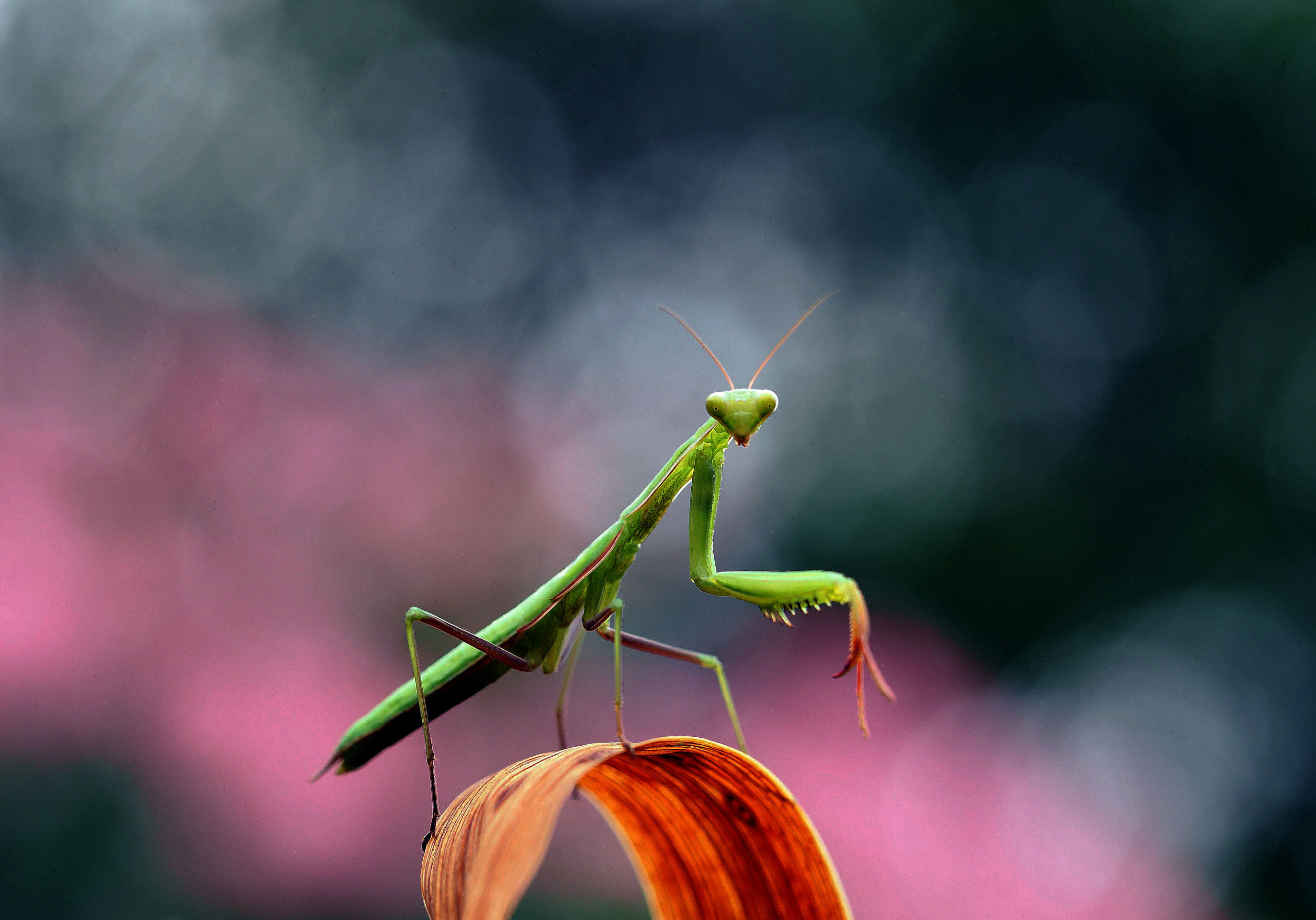
“Black day…”
As we all know, art is subjective. If ten people were asked to select their twenty favorite photographs from Thierry Dufour's extensive portfolio, the results would undoubtedly be very different. This edit is not meant to be definitive. It is simply a reading of Thierry's body of work through one set of eyes.
Thierry Dufour has been a prominent figure at 1x for over 14 years. His love of nature and reverence for some of the world's smallest creatures have revealed an astonishing world of artistic beauty. His work has inspired many 1x members, to the extent that 'fine art insects' have become a daily feature on the front page. Macro photography is not easy. It requires patience, technical skill and an understanding of light, as well as a willingness to wait for nature to cooperate. Thierry seems to possess all of these qualities in abundance. However, technique alone does not explain his photographs. He has the ability to take creatures that most of us barely notice — or occasionally swat away — and place them in a world where they become beautiful, strange, and worthy of our attention.
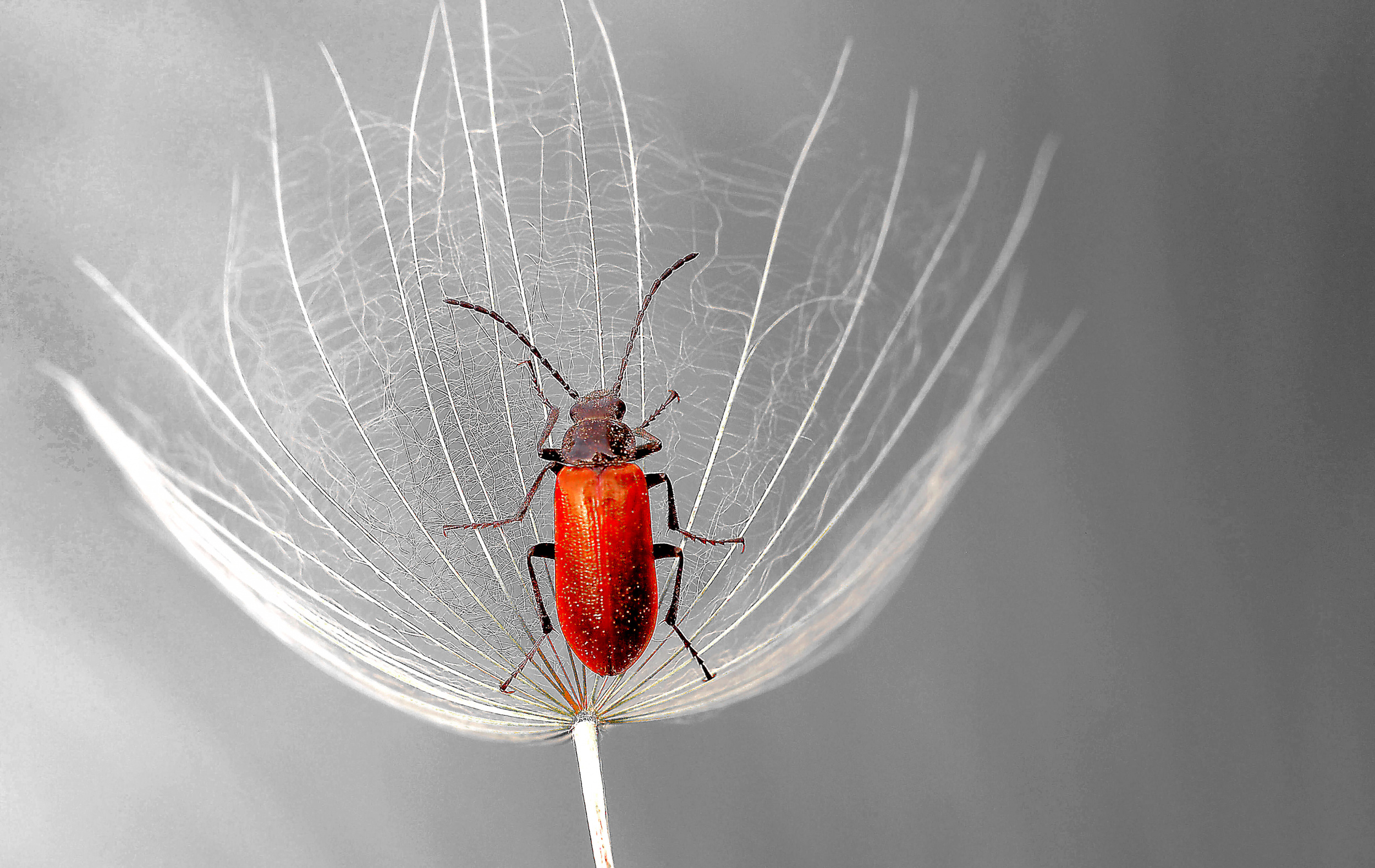
“Red Car On Dandelion”
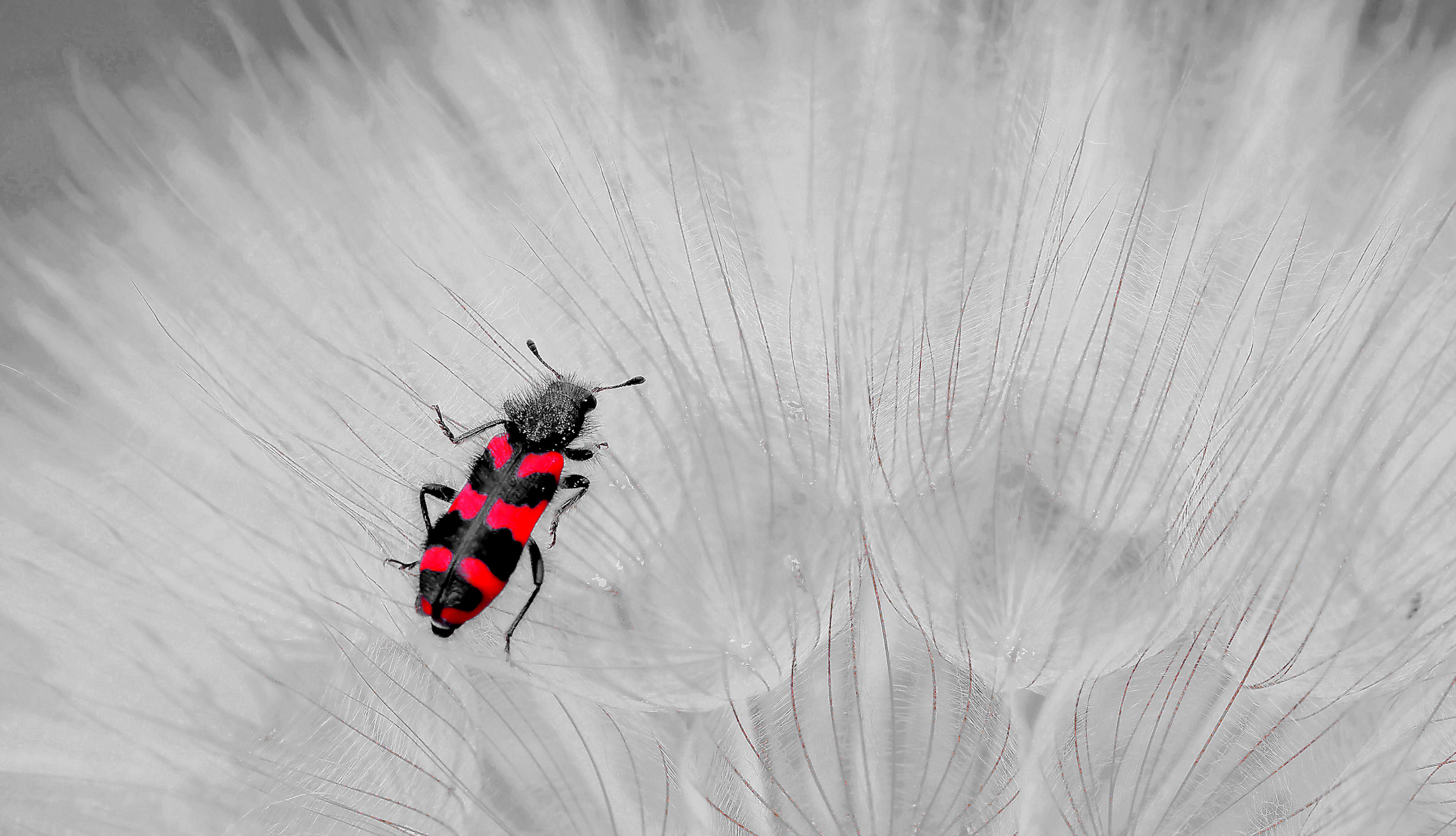
“Red Striped Car”
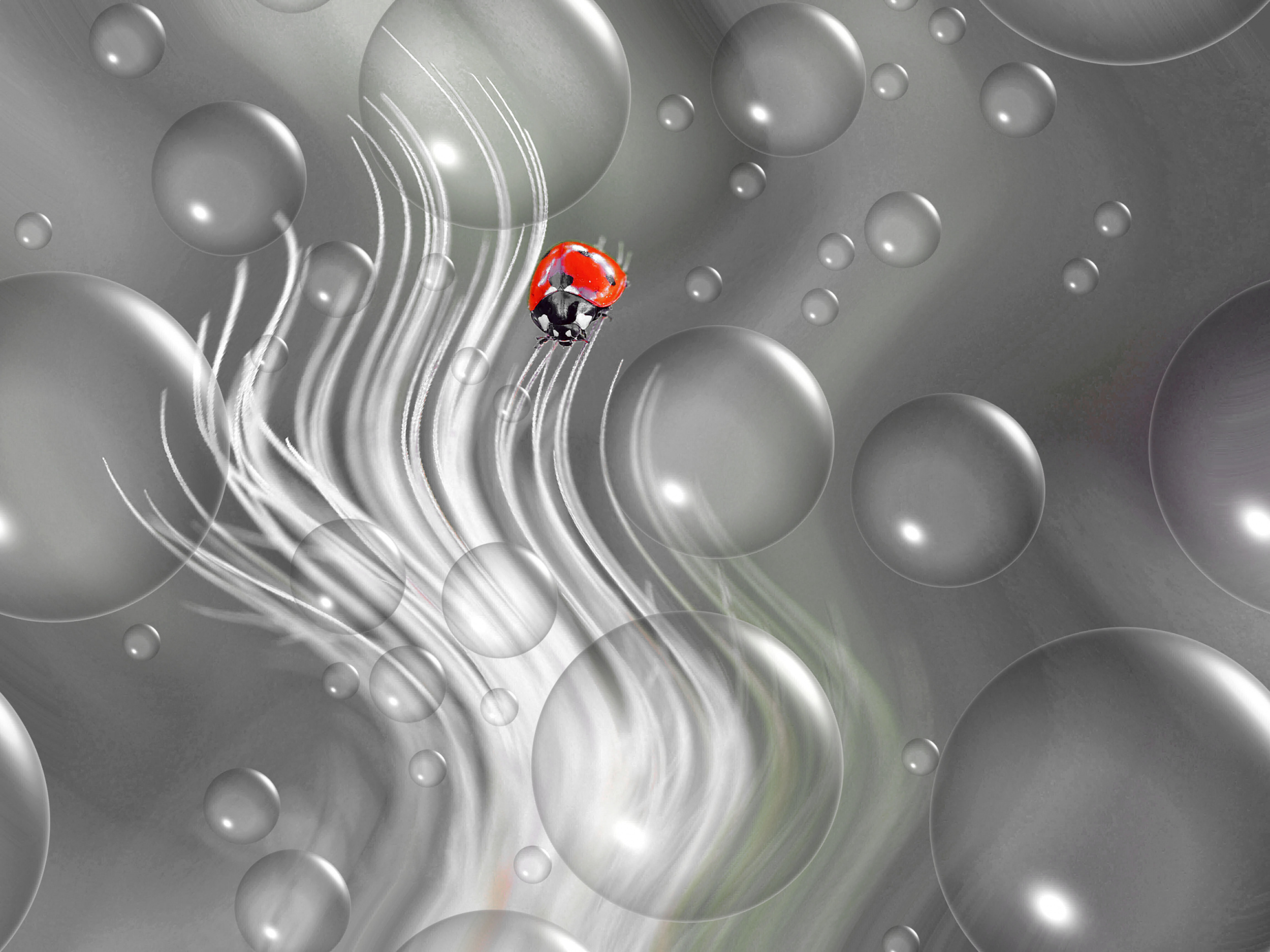
“Dark matter storm…”
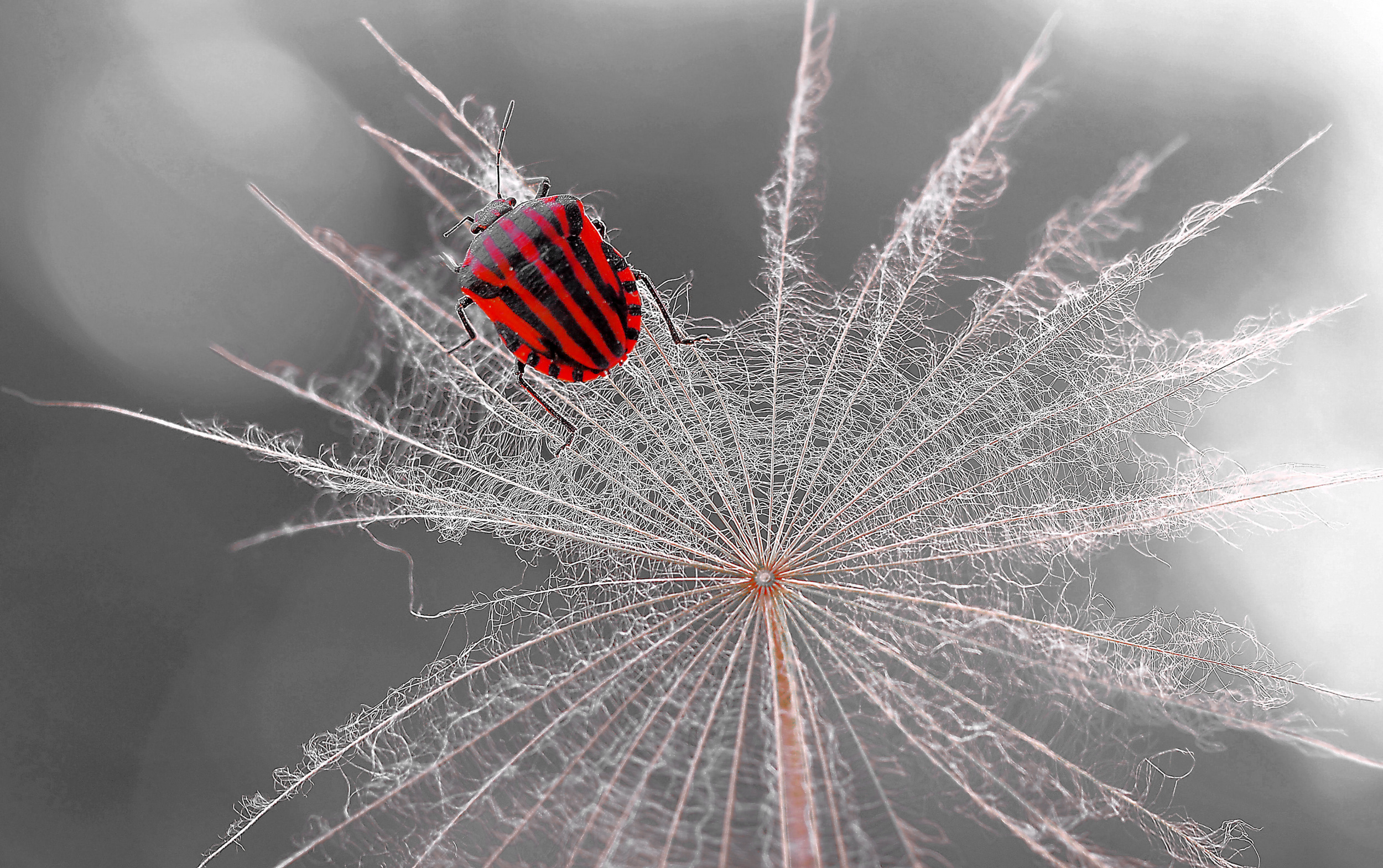
“The star guardian…”
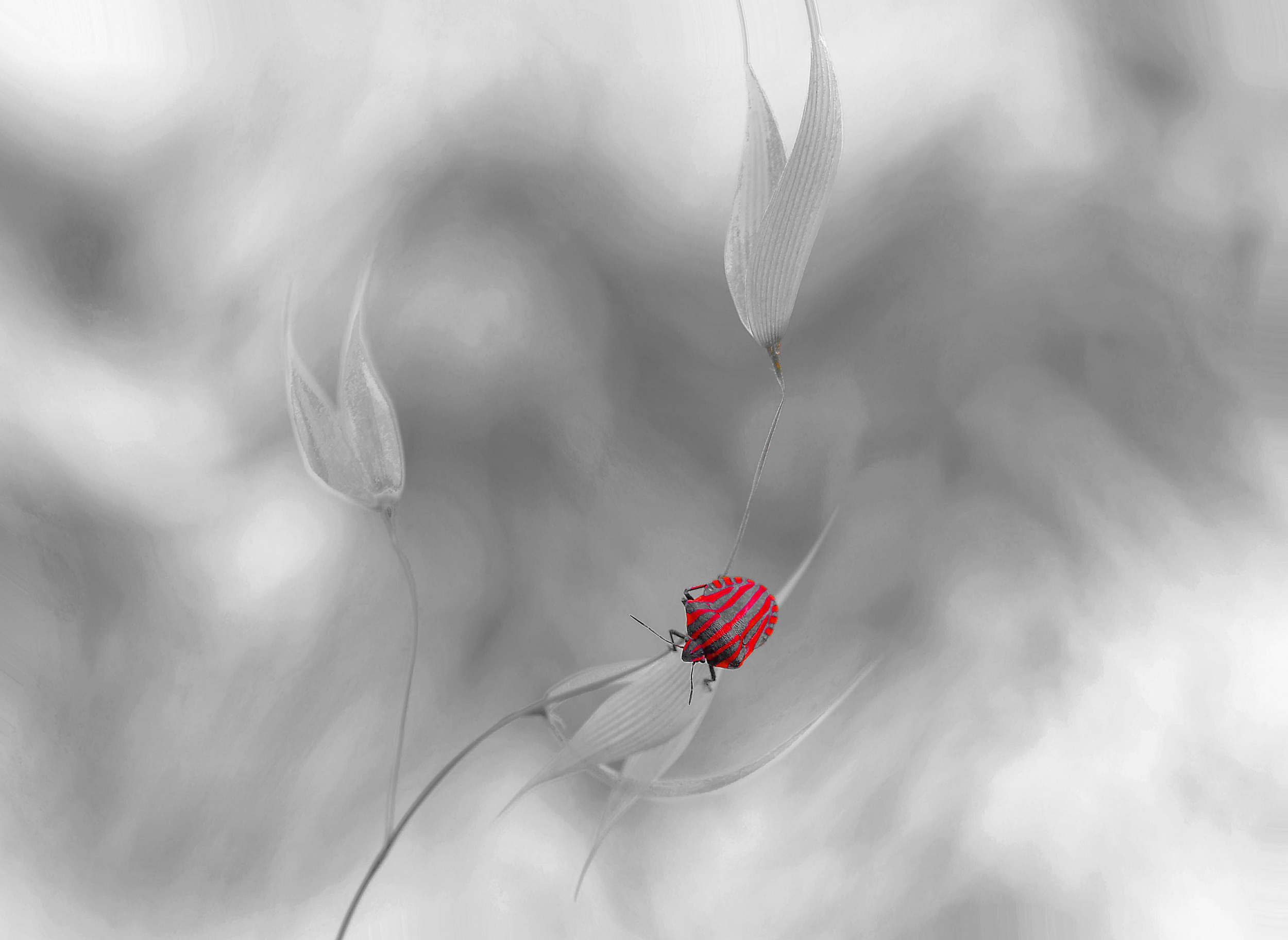
“In pajamas…”
Thierry’s bugs are rock stars. Surrounded by vibrant colours, they strut nature’s runways with great drama and bravado. He imbues his insects with personality; they often seem to make eye contact with the camera, and in some extreme close-ups they even appear to be smiling. One grasshopper becomes an explorer, another a mountaineer and yet another the sole master on board. These photographs are humorous, but never at the expense of the subjects. Thierry treats these insects with a reverence that is infectious. He elevates them to the status of fine art — photographs that belong on gallery walls as much as they belong in the natural world from which they came. His work is imaginative and theatrical, but beneath all the colour and fantasy lies the careful observation of someone who has spent years learning to really see.
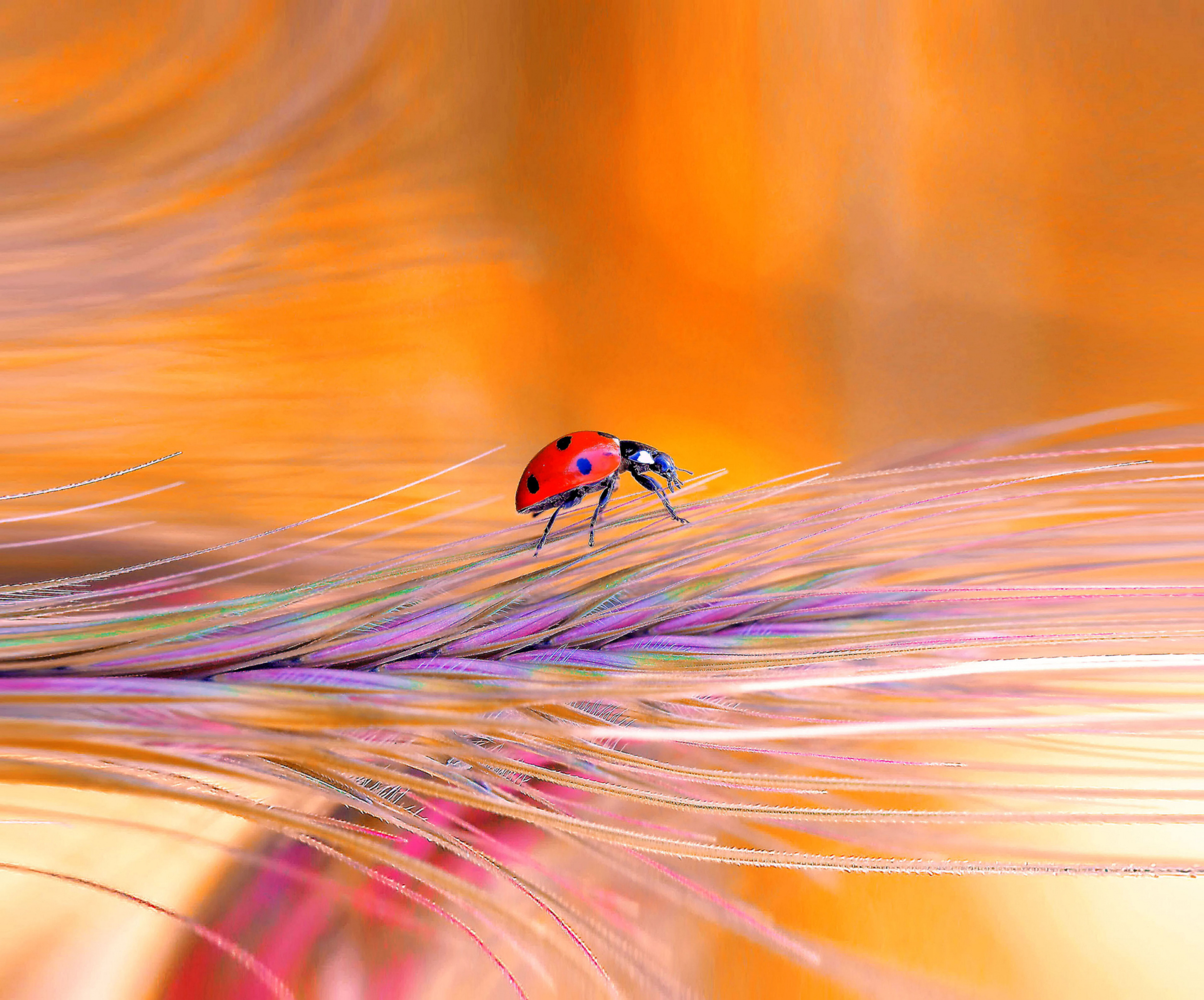
“Rising sun…”
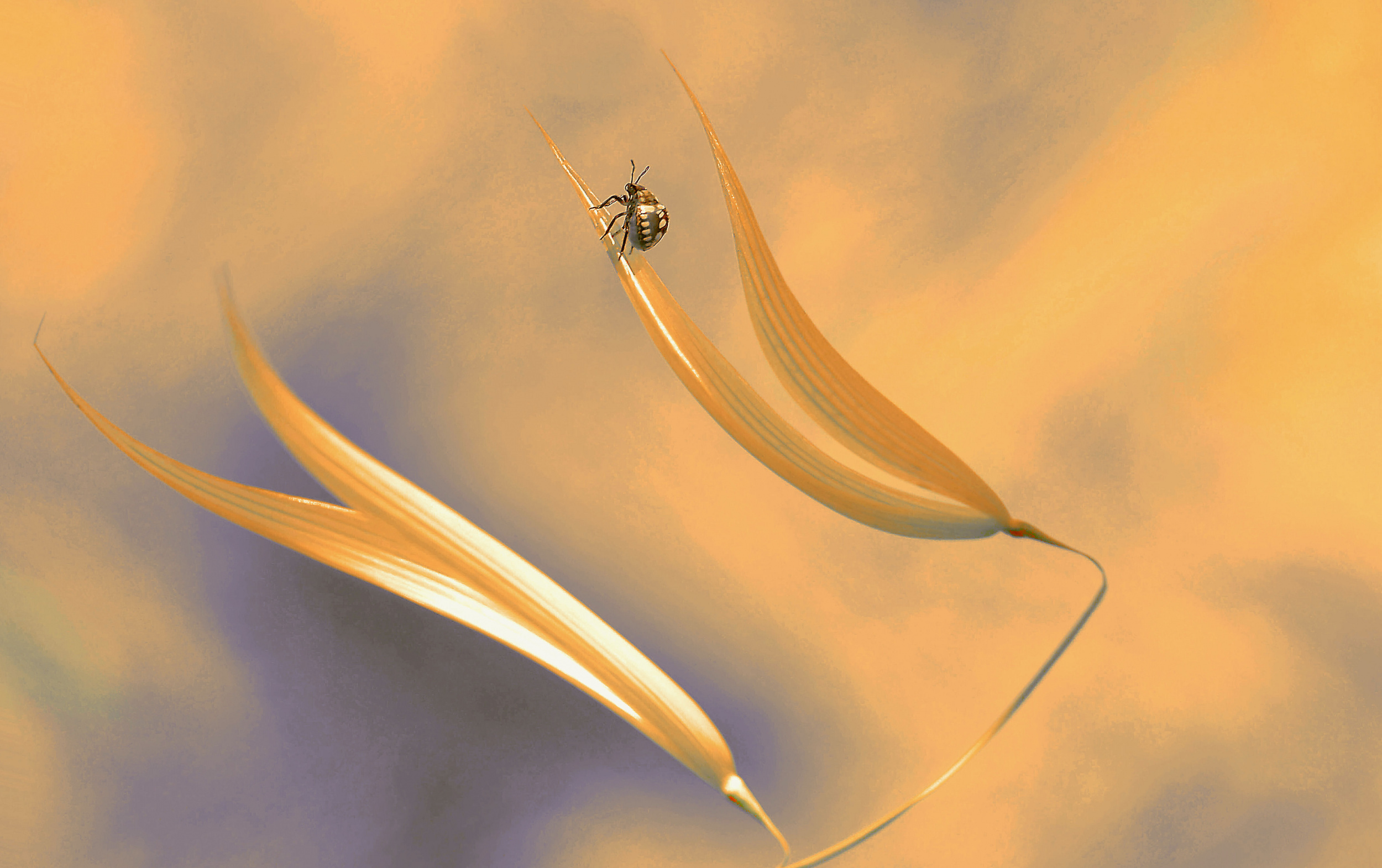
“Sentinel…”
Grasshoppers are as international as 1x. They are found in almost every place on Earth, except for Antarctica. There are more than 11,000 known species of grasshoppers and the are older than dinosaurs. I found a YouTube video with some interesting facts about grasshoppers that you might enjoy. Thierry has certainly expanded my horizons.
Interesting facts about grasshoppers
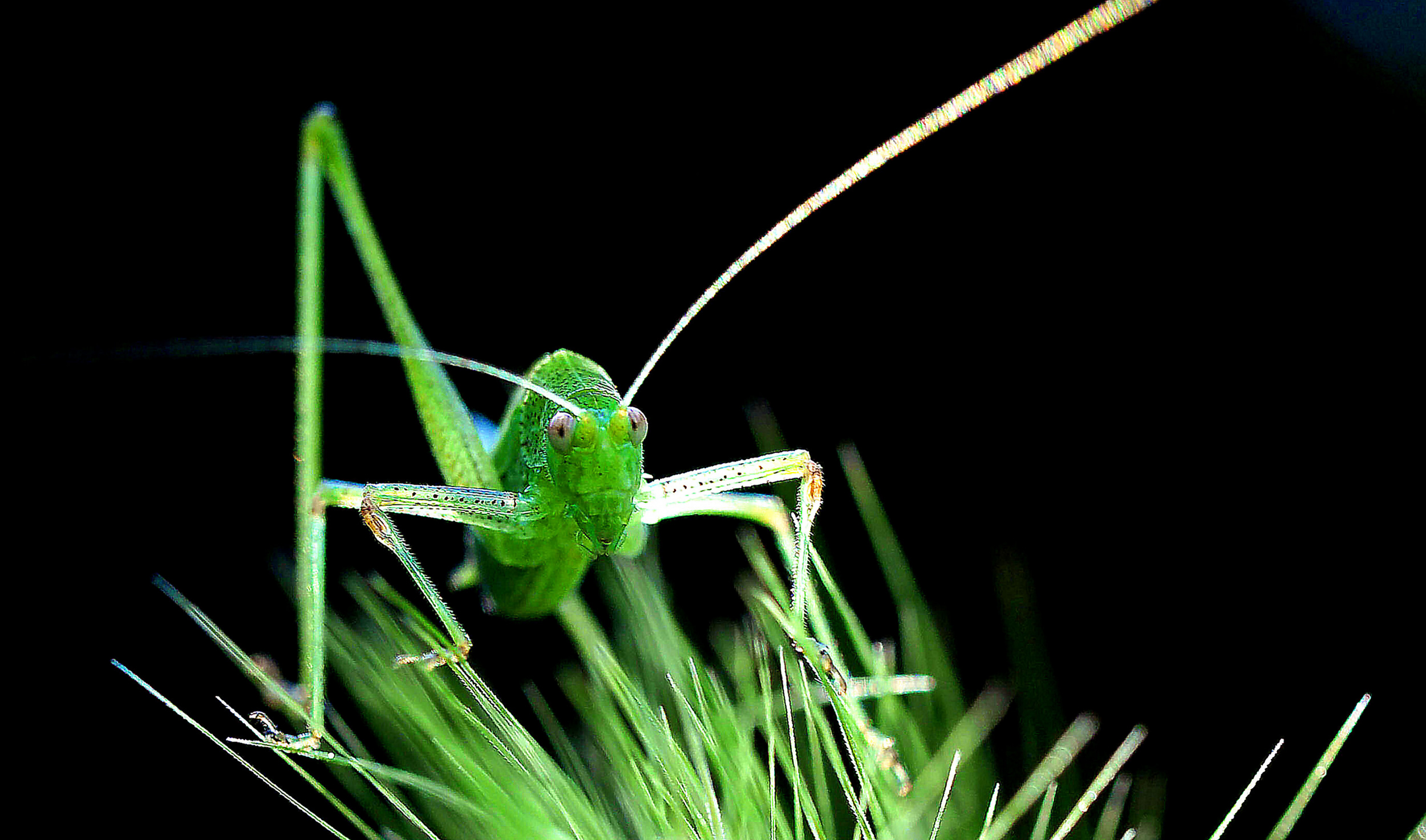
“Stranger in the night…”
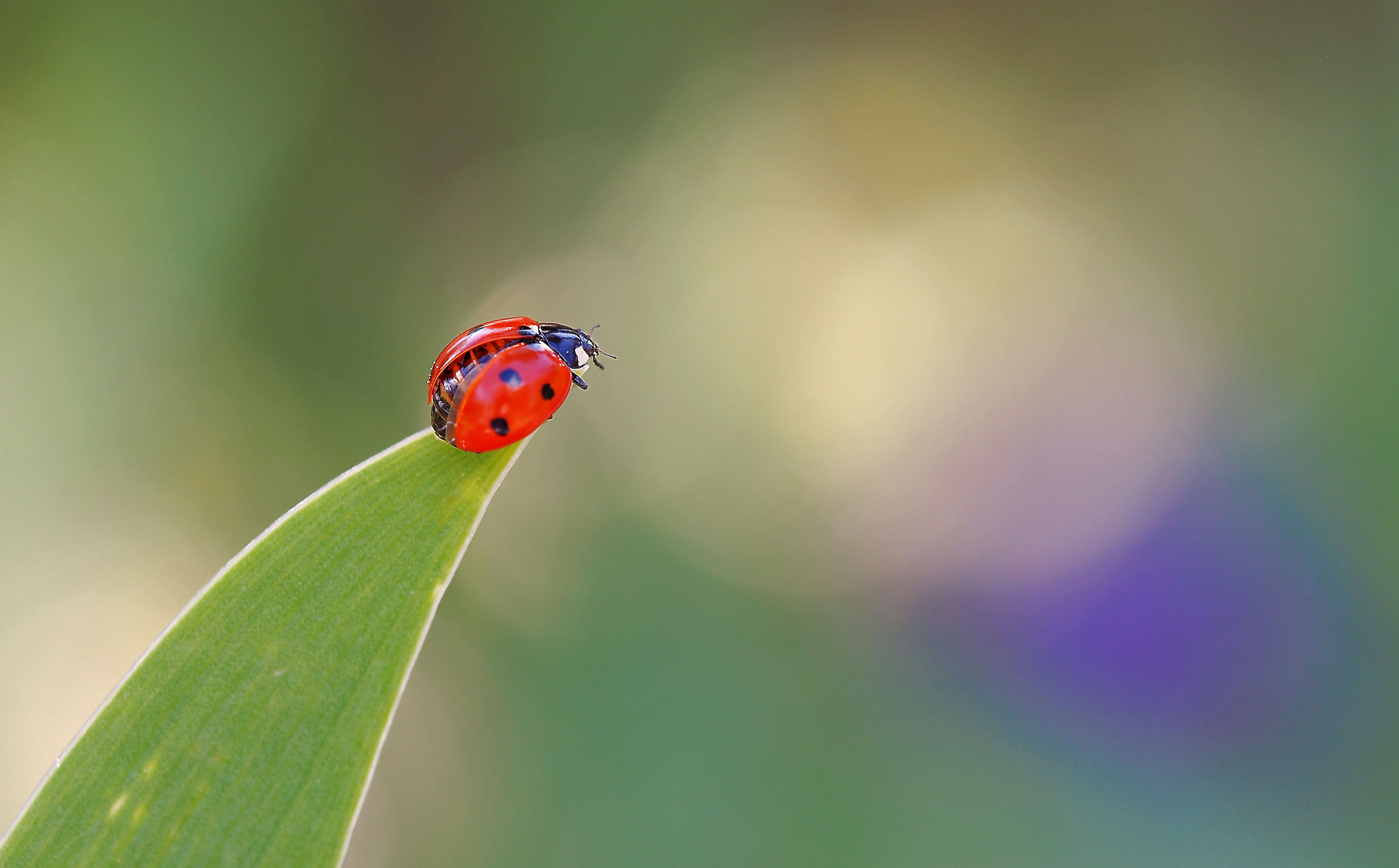
“Imminent departure…”
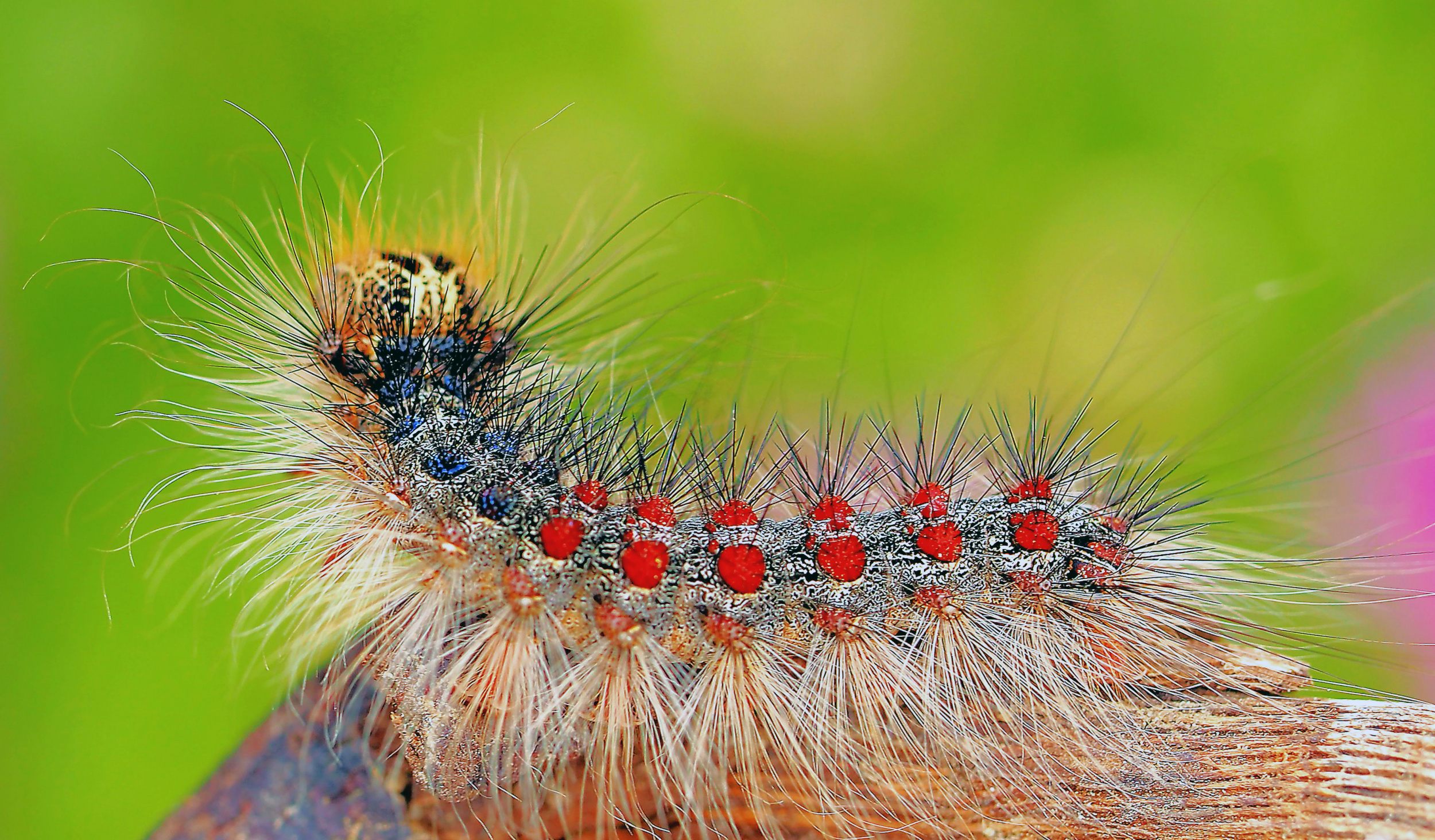
“Warning stinging hairs…”
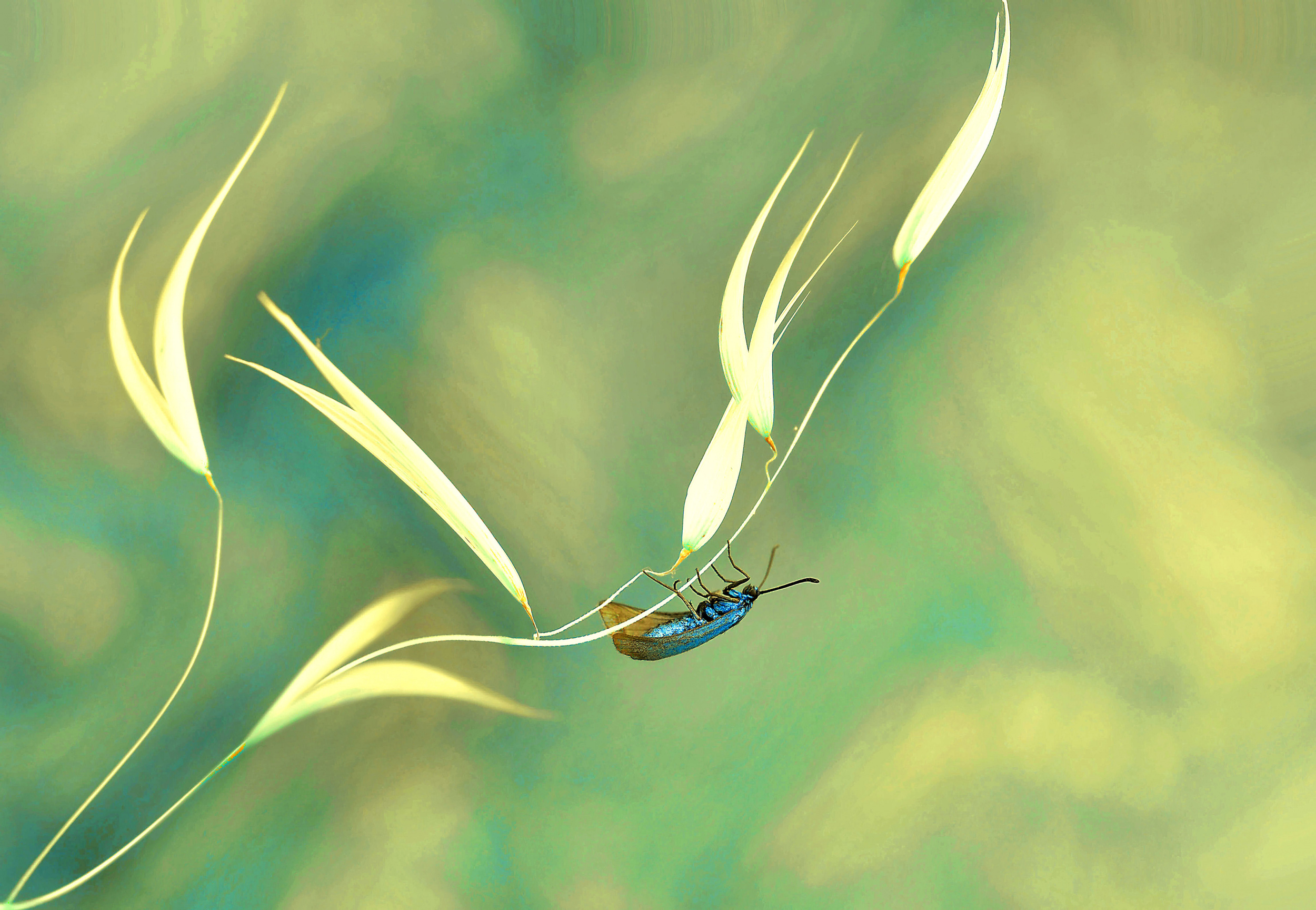
“Harmony…”
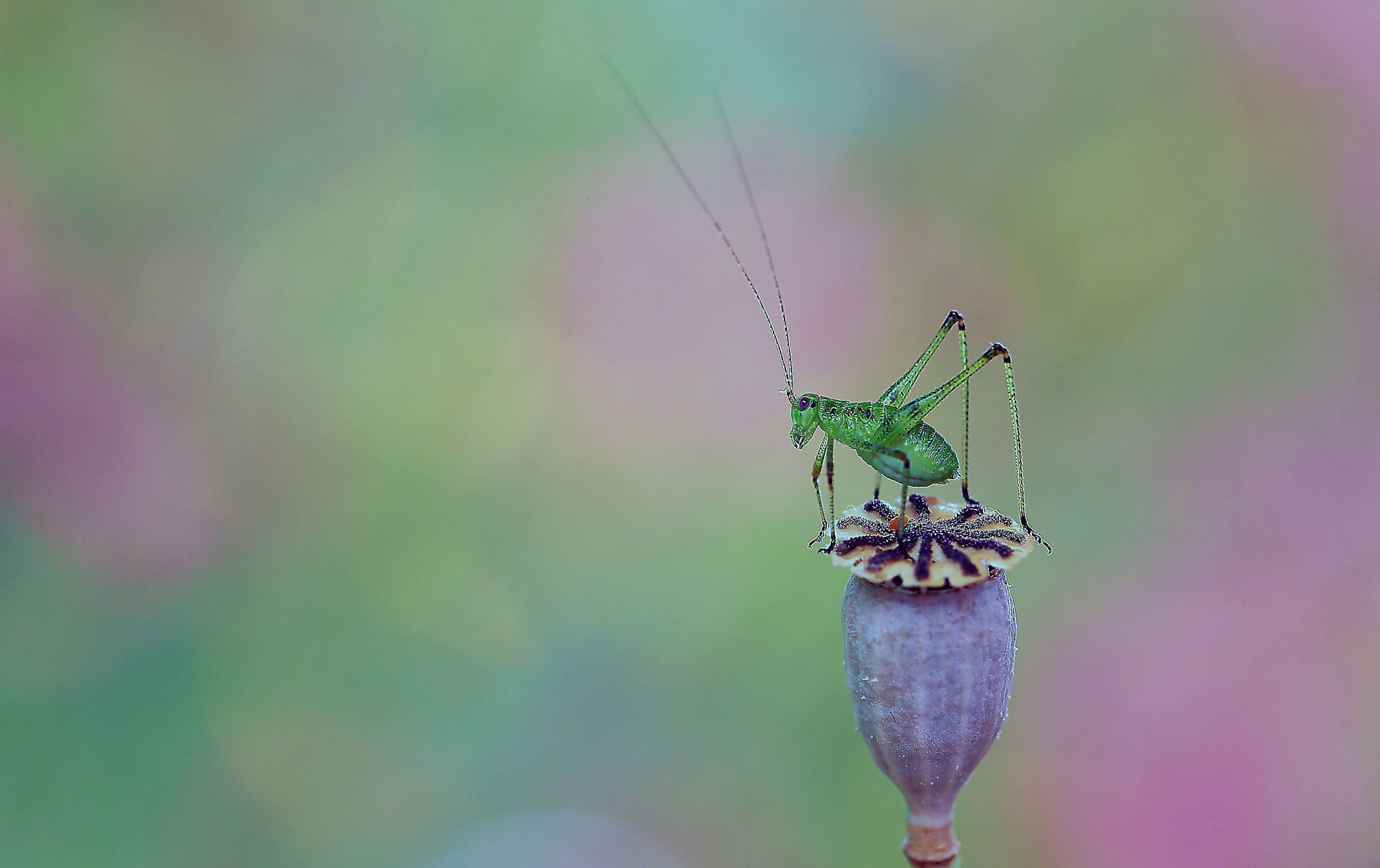
“Alone…”
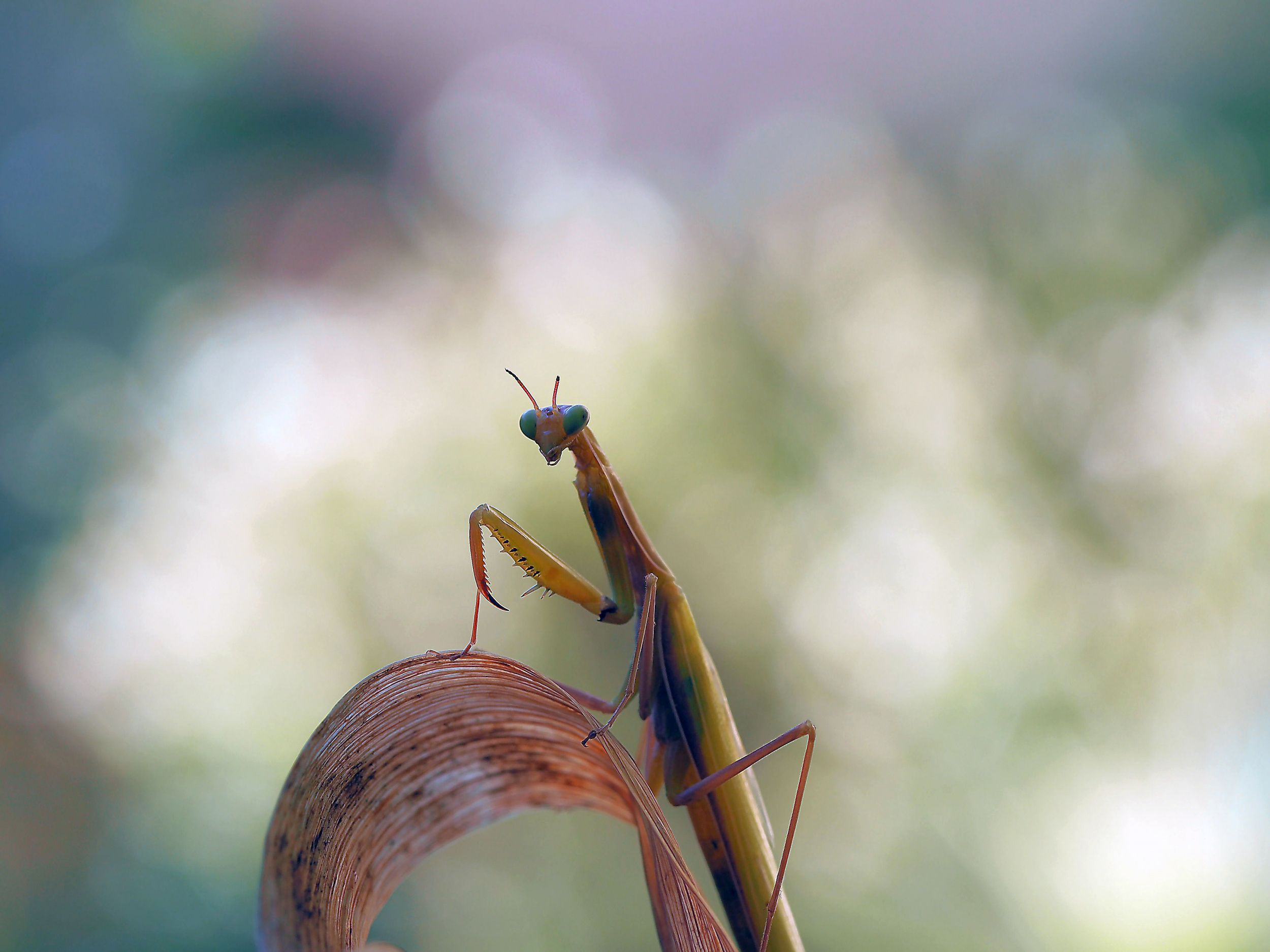
“A seductive look from a great charmer…”
Thierry has never told us much about himself. In an interview one year ago, he spoke instead about his love of nature and the joy of capturing on film the unsung heroes that so few of us ever see. Perhaps that tells us everything we need to know. His photographs have broadened our appreciation of the natural world and our visual vocabulary. After seeing nature through Thierry’s eyes for so many years, it is hard to look at a grasshopper, mosquito or tiny bug in quite the same way again.
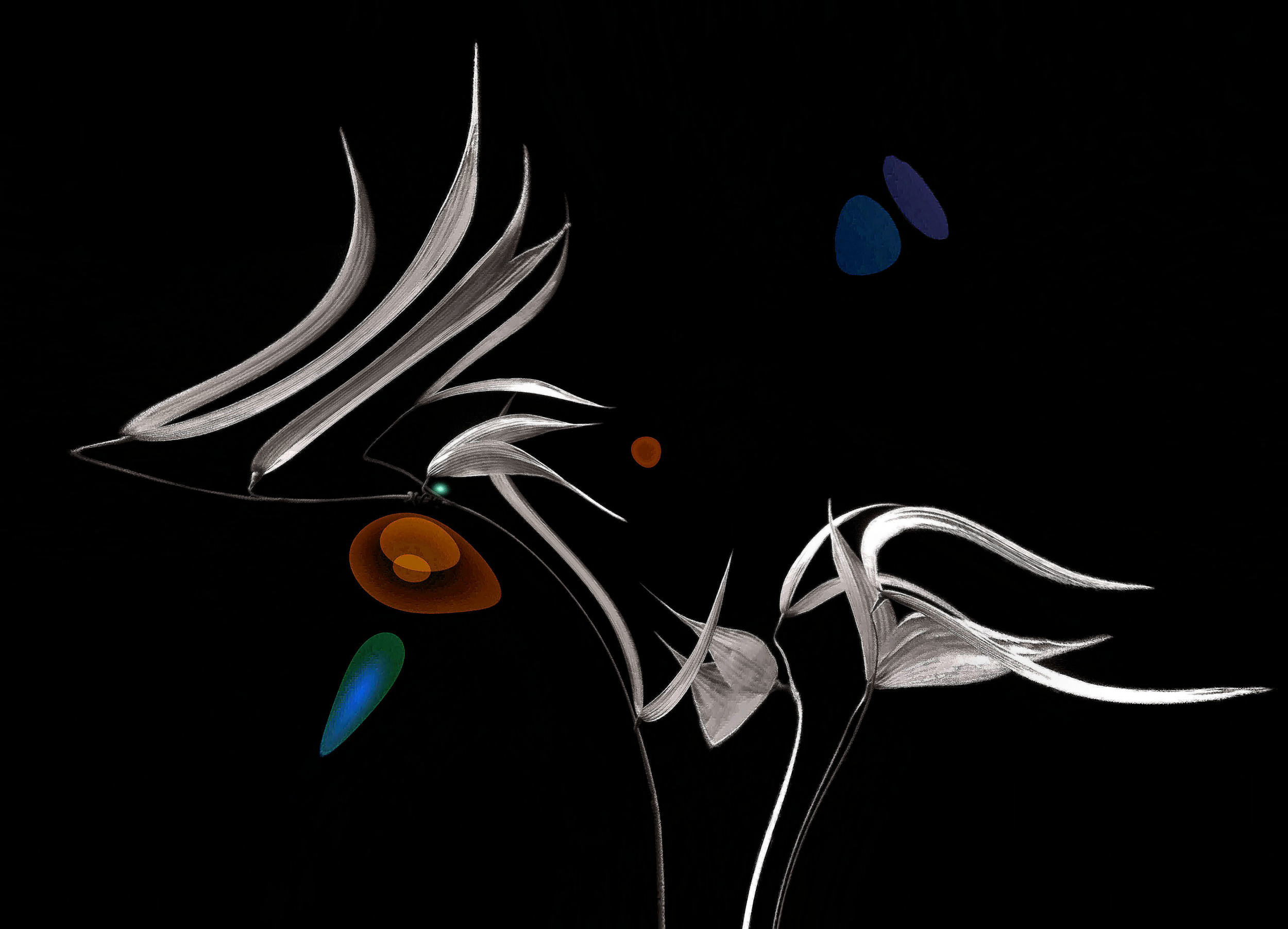
“Night concerto…”
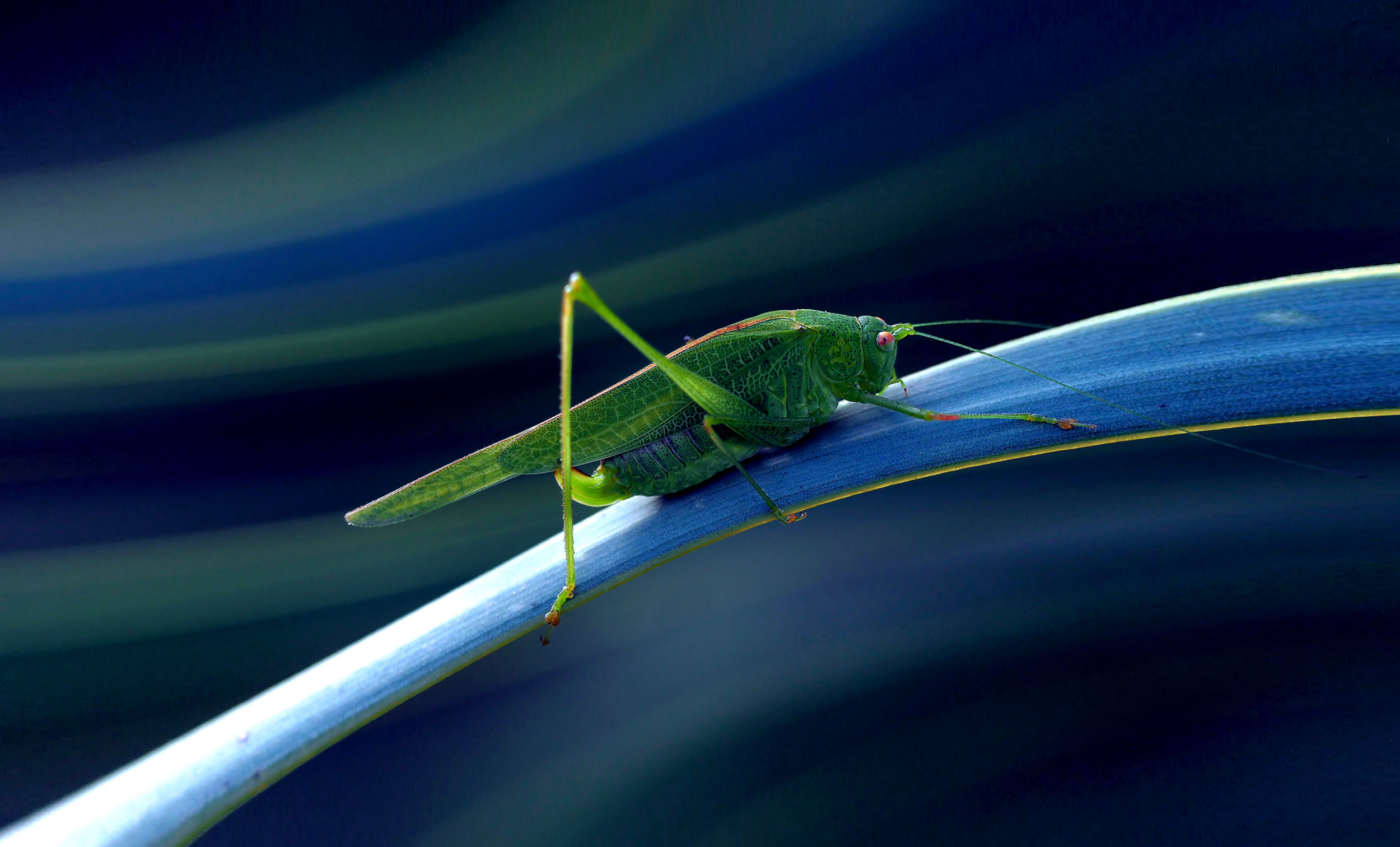
“On the rings of Saturn…”
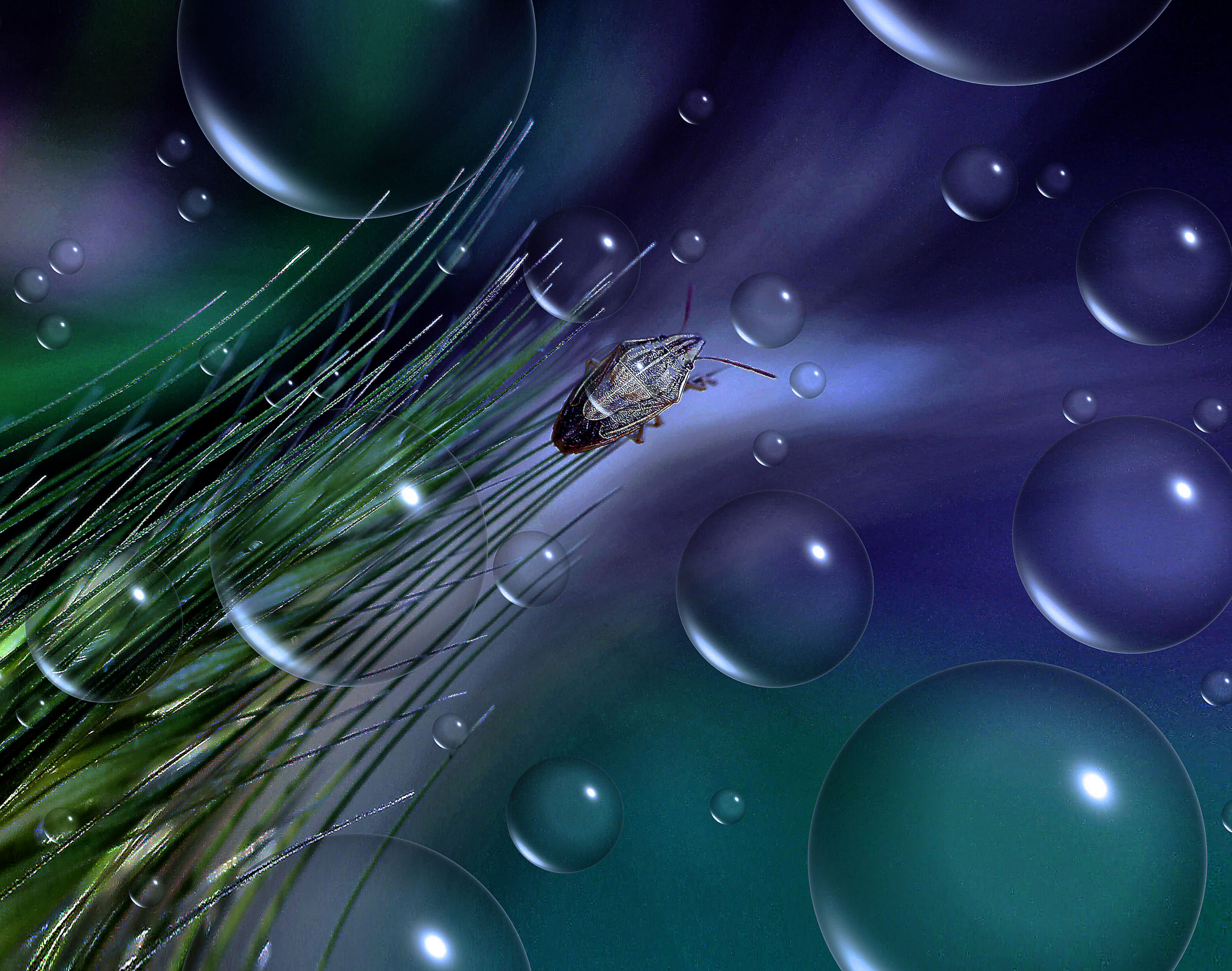
“In the cosmic night”
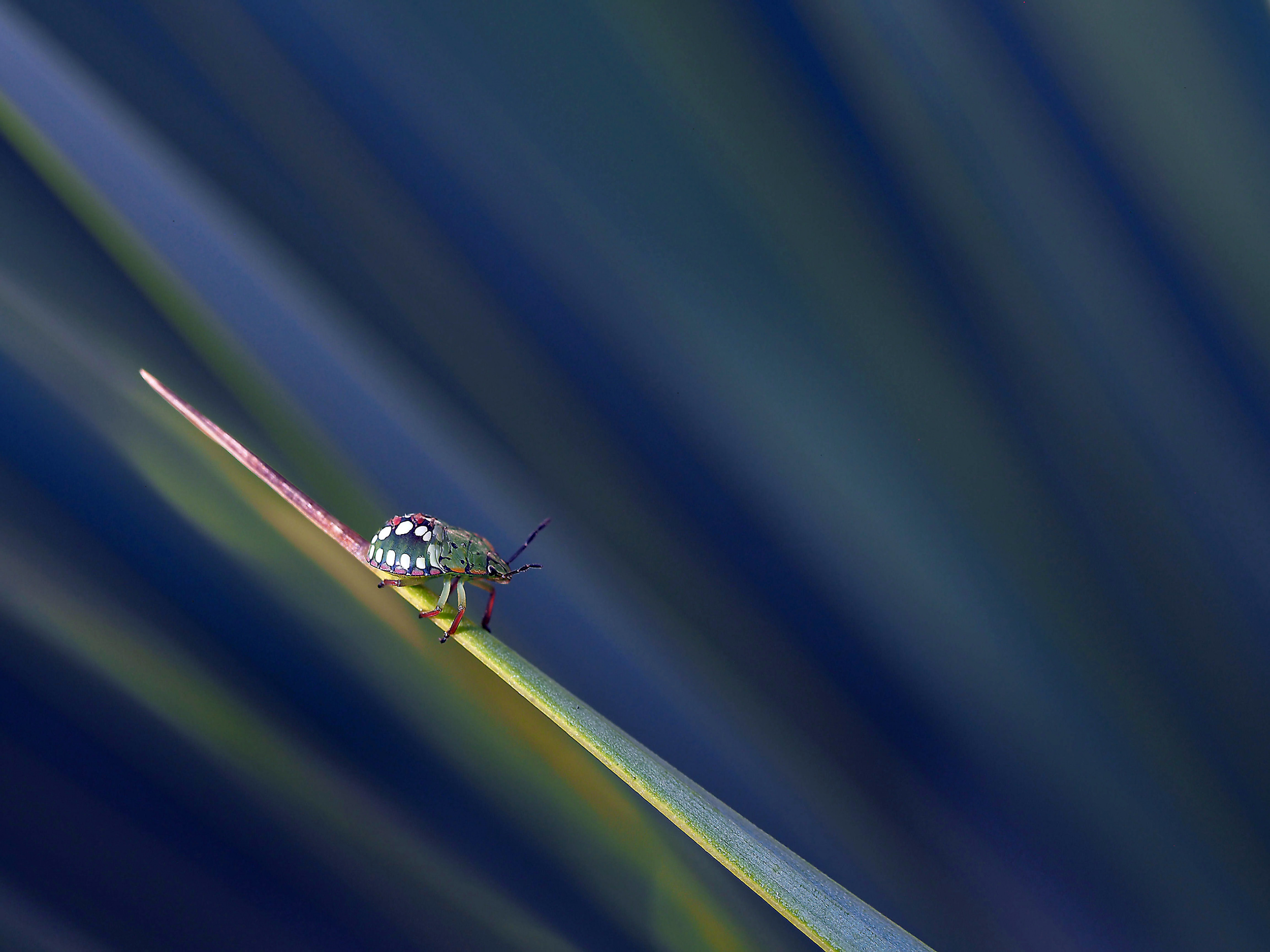
“In the blue of the night…”
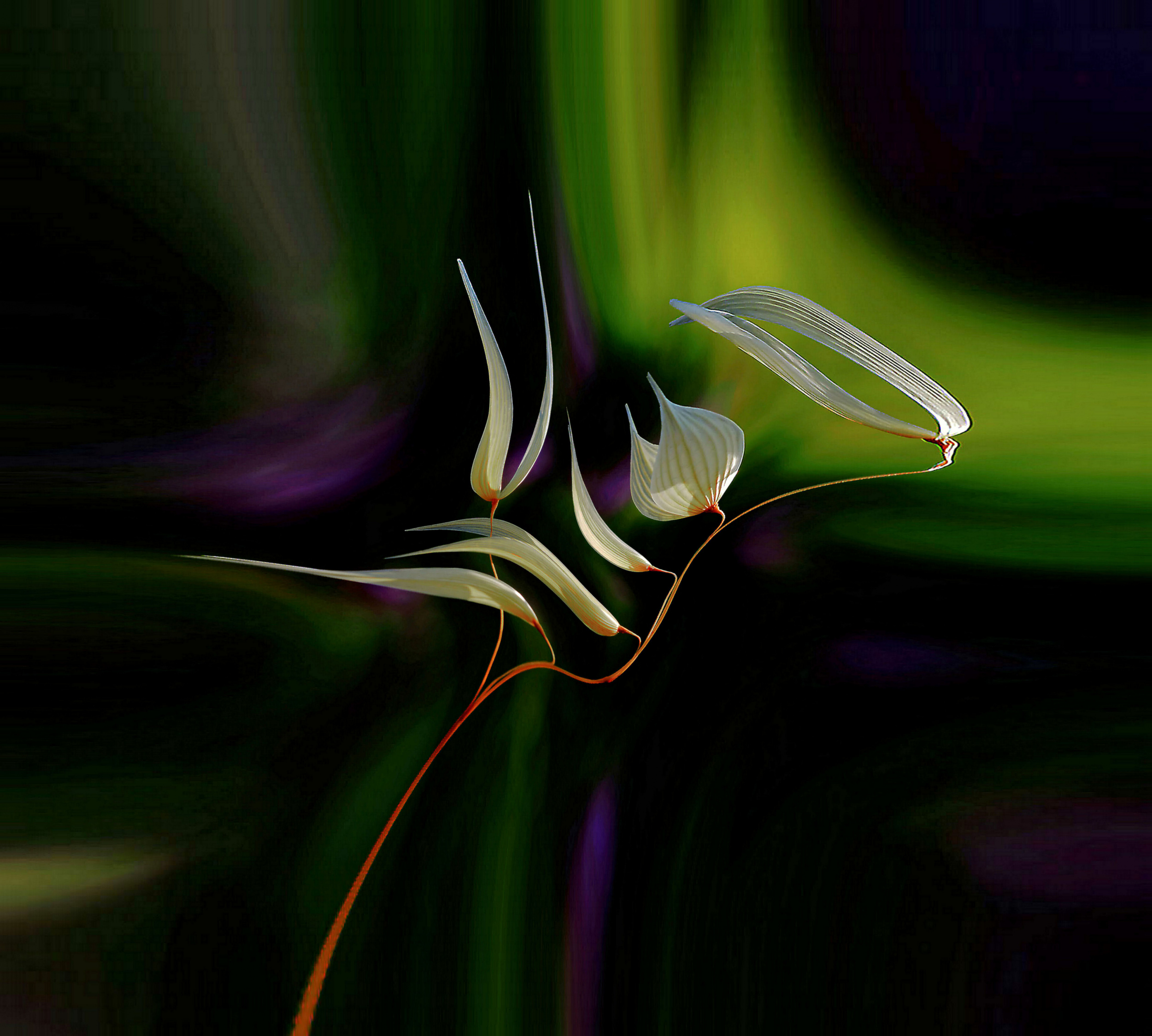
“Wild fantasy…”
|
| | Gary L Holman PRO Wonderful! Macro work Thierry. A part of our world so easily missed. Congratulations! and thanks! to Yvette and Jane for putting this together. |
| | Wayne Pearson PRO Thierry, you are a Master Photographer specialising in Macro photography, I think Macro is one of the most difficult and frustrating styles of photography, it requires incredible patience and skill, and you obviously have both of those qualities. Thank you for exposing and educating us to your minuscule and fascinating world. Thank you Jane and Yvette for your research, presentation and editing of Thierrys story. |
 | Thierry Dufour PRO Many thanks dear Wayne, greetings !!! |
 | Christof Mueller PRO
Thank you for this interesting article, and félicitations, Thierry, on the many unique portraits of these tiny creatures. The images of insects and beetles reveal their extraordinary beauty and elegance. To me, one of photography’s particular strengths is its ability to make visible what often remains hidden or goes unnoticed by most people. Creatures that are casually dismissed as “pests” play important roles in our ecosystem. If photographs like these reveal their beauty and encourage greater awareness and respect for them, they are all the more valuable.
Beaucoup de belles lumières ! |
| Thierry Dufour PRO A big thank Christof, greetings !!! |
 | Linda Lu PRO Congratulations! Thank you for creating and sharing this beautiful small world! |
| Thierry Dufour PRO Many thanks Linda, greetings !!! |
 | Pramod Kanakath PRO While I love all aspects of your photos, I see the backgrounds as beautiful as the subjects. The eyes are naturally drawn toward both at first look. Great work! |
| Thierry Dufour PRO Thank you so much dear friend !!! |
 | Luba Chapman PRO Absolutely unique macro photography, Thierry! I am enjoying your photos for years. Good light to you! |
| Thierry Dufour PRO Thank you very much dear Luba, greetings !!! |
| | Unique photos! Very decorative with many small details. Impressively done. Congratulations! |
| Thierry Dufour PRO Many thanks Jostein, gretings !!! |
 | Judy Tseng PRO Very inspiring images Congratulations ! Tthierry. |
| Thierry Dufour PRO Thank you very much Judy !!! |
 | Ann Kunz PRO Incredible collection! Congratulations. |
| Thierry Dufour PRO Thank you so much Ann !!! |
 | Jean-Luc BILLET PRO En beauté et en finesse. Formidable travail et très belle expo. Bravo |
| Thierry Dufour PRO Un grand merci Jean-Luc !!! |
 | Elizabeth Allen CREW Congratulations on your well-deserved feature, Thierry,and thanks to Jane. |
| Thierry Dufour PRO Many thanks dear Elizabeth !!! |
 | Jon W Wallach PRO Very inspiring images! |
| Thierry Dufour PRO Thank a lot Jon, greetings !!! |
 | Lucie Gagnon CREW Thierry is someone’s whose work i admire and enjoy looking at. He has been inspiring me for a long time. Thank you Jane for highlighting his photographs. |
| Thierry Dufour PRO Un grand merci Lucie, amitiés !!! |
 | Roland Weber PRO The photos and the article are so wonderful and full of magic, I keep on looking and I really marvel at the variety, Thierry.
I am longing for more.
Chapeau and my best congratulations. |
| Thierry Dufour PRO Many thanks Roland, gretings !!! |
 | Miro Susta CREW Congratulations to your wonderful photo work, your macro photography is perfect. Many thanks Jane and Yvette for publishing it. |
| Thierry Dufour PRO Thank you very much dear Miro !!! |
| | Adrian Donoghue PRO congratulations Thierry, I've always loved your work |
| Thierry Dufour PRO Thank you so much Adrian, greetings !!! |
 | Barré Thierry PRO Toutes mes félicitations pour cette belle mise en avant et ce fantastique travail en macrophotographie créative 😊 |
| Thierry Dufour PRO Merci beaucoup Thierry, amitiés !!! |
 | Joshua Raif PRO Congratulations on this nice exposure of your work. All the best. |
| Thierry Dufour PRO Thank you so much Joshua, greetings !!! |
 | Tim Mossholder PRO Near perfect imagery. Thanks for your creative contributions! |
| Thierry Dufour PRO Thank you very much Tim !!! |
 | Peter Hammer PRO Wonderful images |
| Thierry Dufour PRO Many thanks Peter !!! |
| | Nichole Chen PRO Congratulations, Thierry! Your ability to turn the tiniest creatures into extraordinary works of art never ceases to amaze me. So well deserved! |
| Thierry Dufour PRO A big thank dear friend !!! |
 | MAIHONG DENG PRO Good job! |
| Thierry Dufour PRO Thank a lot, greetings !!! |
 | Robin Wechsler PRO Always magical! |
| Thierry Dufour PRO Thank you so much dear Robin !!! |
 | Izabella Végh PRO Bellissimo articolo, con fotografie eccezionale, grazie mille e congratulazioni Thierry. |
| Thierry Dufour PRO Thank you very much Izabella, greetings !!! |
 | Rana Jabeen PRO Impressive work, congratulations Thierry |
| Thierry Dufour PRO Thank very much Rana, greetings !!! |
 | Amazing work Thiery. Been a fan for many years. Warmest regards, Patrick |
| Thierry Dufour PRO Many thanks my friend Patrick !!! |
 | Atul Saluja PRO Always a pleasure to see your images Thierry. Big fan always congratulations my friend |
| Thierry Dufour PRO Thank you very much my friend Atul !!! |
 | Wonderful stuninng images, very inspiring, congratulations, Thierry! |
| Thierry Dufour PRO Thank you so much Francisco, greetings !!! |
| | Amazing macro image! Congratulations, Thierry! Thanks a lot to Jane and Yvette! |
| Thierry Dufour PRO Thank you very much dear Svetlana !!! |
| | Congratulations on having your photos published in the magazine, Thierry! I think you really deserve it. Thank you for your stunning, professional photos! |
| Thierry Dufour PRO A big thank Robert, greetings !!! |
 | Adrian Popan PRO Thierry, my dear friend, congratulations! |
| Thierry Dufour PRO Thank very much dear Adrian, greetings !!! |
 | Simply magnificent work!. Congratulations! |
| Thierry Dufour PRO Thank so much Marie, greetings !!! |
 | Jacob (Jian) Xu CREW Congratulations! Fabulous images, beautiful subject, composition and color! |
| Thierry Dufour PRO Many thanks dear Jacob !!! |
 | Wei (David) Dai PRO Amazing macro photography! Congratulations, Thierry! |
| Thierry Dufour PRO A big thank David, greetings !!! |
 | Some wonderful photos – well done! |
| Thierry Dufour PRO Thank you very much Helena !!! |
 | Urs Geysir PRO Thierry‘s gallery with his fascinating macro-world was one of the very first galleries I discovered when joining 1x - and have admired since! |
| Thierry Dufour PRO A big thank my friend Urs, greetings !!! |
 | Une très très belle sélection pour ce focus bien mérité. Bravo Thierry ! Merci Jane et Yvette 😃 |
| Thierry Dufour PRO Un grand merci Mathilde, amitiés !!! |
 | Anna Cseresnjes PRO superbes macros ... Felicitations Thierry |
| Thierry Dufour PRO Merci beaucoup Anna, amitiés !!! |
 | Heike Rompf PRO Unbelievable beautiful nature macro photography! |
| Thierry Dufour PRO Thank you very much Heike !!! |
 | Christian MARCEL PRO Les photos de Thierry sont uniques elles méritaient d'être aussi bien présentées ! Merci pour cet article.
|
| Thierry Dufour PRO Merci beaucoup Christian, amitiés !!! |
 | Paula Iliescu PRO Amazing frames! Congratulations! |
| Thierry Dufour PRO Thank you so much Paula !!! |
| | Marco B. PRO Incredibile images, sincere congratulations, bye Marco |
| Thierry Dufour PRO Many thanks Marco, greetings !!! |
| | Superbes images, comme toujours ! Bravo Thierry pour cette incroyable série très inspirantes pour beaucoup de photographes : c'est la maîtrise absolue de la lumière, du cadrage et de la révélation d'un monde insoupçonné, pourtant là sous nos yeux. Je suis très admiratif de ton travail. Amicalement. Eric |
| Thierry Dufour PRO Merci pour tes mots Eric, amitiés !!! |
| | DonnaHom APA PRO A very impressive macro work. You brought a small world to a big world. Congratulations. Thank you editors. |
| Thierry Dufour PRO Thank you so much DonnaHom !!! |
 | widiarto p. PRO Congratulations on your amazing works.
They are simply stunning! |
| Thierry Dufour PRO Thank very much Widiarto !!! |
 | Takiko Hirai PRO Thank you for always sharing such wonderful work. I look forward to your continued success. |
| Thierry Dufour PRO Many thanks Takiko !!! |
 | Ben.C.L PRO Congratulations! Thierry, really love your painterly macro works |
| Thierry Dufour PRO Thank you so much Ben, greetings !!! |
 | Kieron Long PRO Congratulations on being featured. It is well deserved! |
| Thierry Dufour PRO Thank you so much Kieron !!! |
 | FranzStaab PRO Always exciting when you take us into the microcosm of nature! |
| Thierry Dufour PRO Thank a lot Franz, greetings !!! |
 | Monica Mermoz PRO Congratulations, Thierry!
I am a huge admirer of your work, and this article offers an excellent overview of it.
I am glad your work is receiving this important recognition here. |
| Thierry Dufour PRO A big thank Monica, greetings !!! |
 | Tore Johansson PRO Great collection, Im so impressed by your works! |
| Thierry Dufour PRO Thank you very much Tore, greetings !!! |
 | Pedro Uranga PRO An excellent collection of beautiful images captured with grat sensitivity. Congratulations Thierry. |
| Thierry Dufour PRO Thank you so much Pedro, greetings !!! |
| | Karin Kilb PRO Beautiful, creatively composed photos dear Thierry. |
| Thierry Dufour PRO Thank so much Karin !!! |
 | Federico Righi PRO Whatever I write, it could not be enough for describing the beauty your pictures produce! My best compliments, Thierry" |
| Thierry Dufour PRO A big thank Federico, greetings !!! |
 | Ellen van Deelen PRO Congrats Thierry! |
| Thierry Dufour PRO Thank a lot dear Ellen !!! |
| | Ellen van Deelen PRO |
| | Ellen van Deelen PRO Congrats Thierry! |
 | Rui Wang PRO Congratulations!!! I'm always your fan. |
| Thierry Dufour PRO :)) Thank you very much Rui, greetings !!! |
 | Erhard Batzdorf PRO Unique, fascinating works. It is high time your work was recognized here. |
| Thierry Dufour PRO Many thanks Erhard, greetings !!! |
 | Brilliant! |
| Thierry Dufour PRO Thank you very much !!! |
 | Martin Groth PRO Wonderful portfolio, great captures! Thanks for sharing, Thierry! |
| Thierry Dufour PRO Thank you so much Martin, greetings !!! |
 | Ou Yang PRO Astonishing work! Congratulations! |
| Thierry Dufour PRO Thank very much dear friend !!! |
| | Jay Satriani PRO Small creatures might go unnoticed at a casual glance, but through macro photography, we can witness their beauty and extraordinary life stories. A truly stunning gallery—words hardly do it justice. Congratulations, my friend Thierry; I will always enjoy your work. Thanks to editor Jane Lyons and my old friend Yvette Depaepe for always sharing such beautiful stories. |
| Thierry Dufour PRO A big thank my friend Jay, greetings !!! |
 | Susan PRO Wonderful work ! |
| Thierry Dufour PRO Thank so much dear Susan !!! |
 | Nick Lukey PRO A fine selection of images, with thought to great light and background both in texture colour and composition. Bravo |
| Thierry Dufour PRO Many thanks Nick, best regards !!! |
| | Angelika Vogel PRO Special, spectacular macro images Thierry! Congratulations on your wonderful portfolio! |
| Thierry Dufour PRO Thank you so much dear Angelika !!! |
 | Enhorabuena querido Thierry, una colección de fotos impresionante. Felicidades |
| Thierry Dufour PRO Thank you very much my friend Jois !!! |
 | A remarkable body of work! Thierry has a rare gift for revealing the extraordinary character and beauty of the smallest creatures. His photographs go beyond technical excellence, inviting us to see the natural world with fresh eyes and a sense of wonder. Truly inspiring work! |
| Thierry Dufour PRO Many many thanks Hadi, greetings !!! |
 | Fabrizio Micheli PRO Great summary of your extensive and beautiful collection of images, dear Thierry. Well done as usual |
| Thierry Dufour PRO Thank very much Fabrizio, greetings !!! |
 | Impressive portfolio. Congratulation, dear Thierry. |
| Thierry Dufour PRO Thank you so much dear Nicolae, greetings !!! |
Tutorial led by Editor Michel Romaggi in collaboration with the author Jay Satriani
Edited and published by Yvette Depaepe, the 7th of October 2026
For Jay, photography is a personal visual language — a space where he can express himself honestly, guided by intuition and the atmosphere of each moment. When hobby, profession and personal expression converge through photography, the creative process becomes a continual journey of self-discovery and understanding.
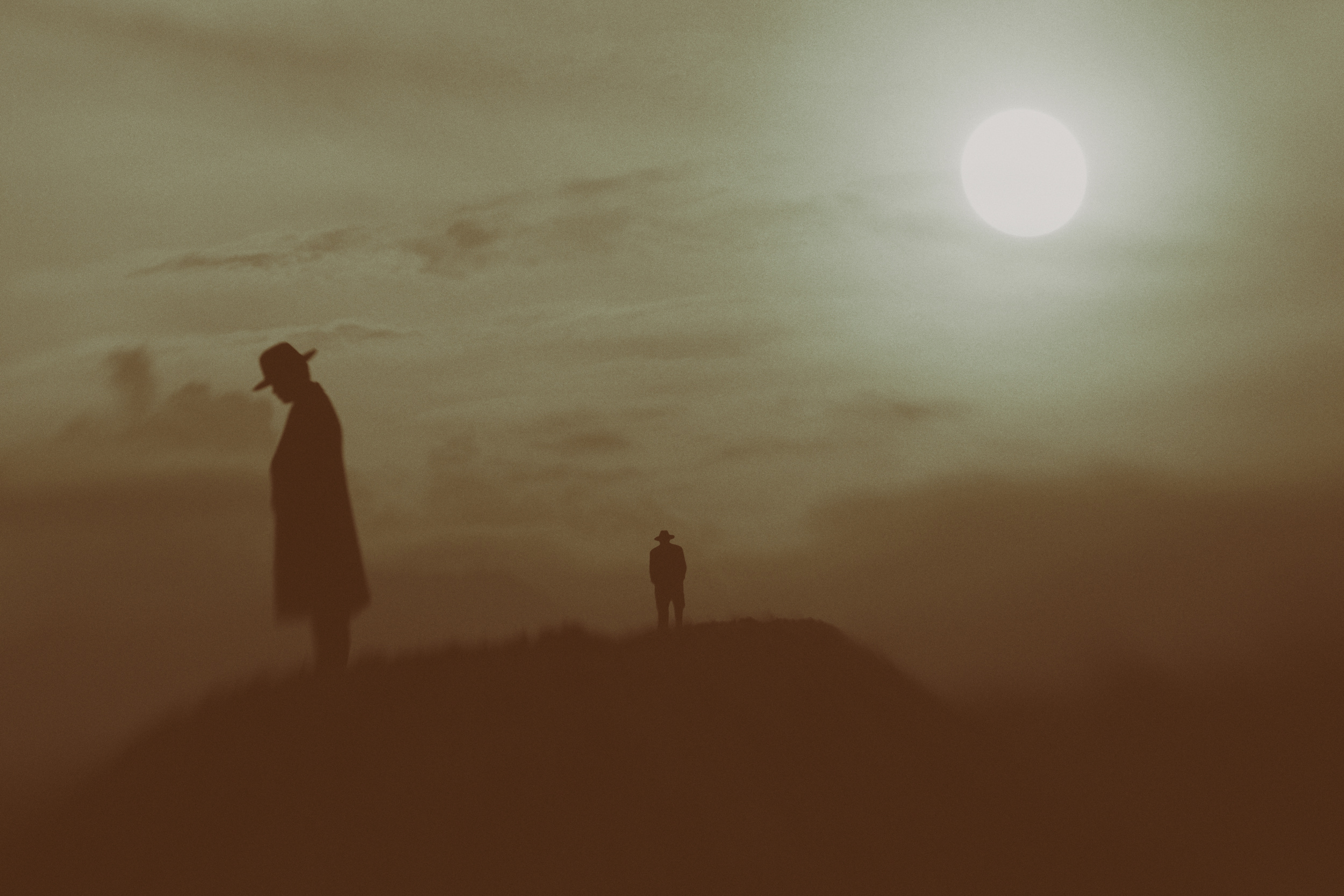
‘Lost Harmony’
Settings: f-stop 2, exposure time 1/8000, ISO 100, and focal length 50mm.
Time and "loss" seem like two concepts that inspire you…?
Yes, time and loss are indeed recurring themes in both my life and my work. To me, time is not just about the passing of moments, but about the gradual changes that teach us to understand ourselves. Meanwhile, loss is not just about something slipping away; it's about what remains in our hearts: memories, emotions, lessons and meaning.
In moments of stillness, these experiences often resurface as feelings or images that I wish to express through photography. I don't always plan what I'll create; instead, I let intuition, mood, light and life experiences guide my hands and mind. It is as if each image is a message inviting me to reflect. For me, then, photography is not just about capturing what has passed, but about trying to understand the impact of time and loss on me.
What equipment do you usually use?
The equipment I used most recently consists of a Canon 7D, a Baby Muse 50mm lens, and a Canon 24mm f/2.8 STM lens.
You told me that the picture 'Lost Harmony' has a special meaning to you. Why is that?
This image represents my inner journey — the struggle to control my thoughts and desires, which often lead me in a different direction to that which my heart truly desires. To me, 'Lost Harmony' is not just about losing something outside myself, but also about internal imbalance: when the mind, heart and desires are no longer aligned. The human figure in the photograph represents myself, learning to understand and control who I am. Standing within such an immense space reminds me that, as a human being, I am only a small part of something much greater.
* The moon symbolizes time and the journey of life: it is always moving and changing, and it never returns to exactly the same place. It reminds me that every stage of life is an opportunity to learn and understand myself more deeply.
* The vast sky and empty space represent my awareness that I ultimately possess nothing absolutely. In the presence of such vastness, human beings appear tiny. This emptiness reminds me to remain humble, to let go of my ego and to stop seeing myself as the center of everything.
* The fog symbolizes the thoughts and desires that sometimes obscure my sense of direction. When my heart and mind are out of balance, the way forward becomes unclear. However, the fog also teaches me that not everything needs to be visible in order to be crossed. Sometimes, I have to move slowly and learn patience and trust, recognizing the path from within.
* Meanwhile, the yellow tone filling the image represents the light of awareness — a faint light that continues to exist within uncertainty. It is like hope and wisdom gradually emerging as I learn to see myself more honestly.
*The two figures can also be interpreted as two aspects of myself: one is close, large and still surrounded by fog, while the other is distant and small yet continues to walk.
Together, they reflect the inner struggle between desire and awareness, impulse and heart, ego and humility.
Could you describe the various stages involved in its creation?
As I mentioned, the creation of 'Lost Harmony' began with the idea of visualising an inner struggle — the tension between the mind, the heart and desires that do not always move in the same direction. Rather than using facial expression or literal storytelling, I wanted to express this conflict through silhouette, semi-silhouette, negative space, soft focus and a restrained atmosphere.
Developing the Visual Concept
I chose to work with a Lensbaby lens because of its unique optical properties. Its natural softness and blur allowed me to create a more dreamlike image that felt less literal.
From the outset, I had envisioned creating a silhouette and semi-silhouette photograph. For this reason, I needed a location with a wide, open landscape, preferably in the highlands with an empty background or distant mountains.
The vastness of the landscape was important to the concept. I wanted the human figure to appear small within the frame to emphasize the idea that we are only a very small part of something much larger than ourselves.
Choosing the Time and Light
The photograph was taken on Saturday 28 June 2014 at 15:06.
I chose the afternoon because I wanted a softer light to support the silhouette and semi-silhouette effect. The changing light also helped to create the muted, hazy atmosphere which became an important part of the final image.
To me, the light was more than just a technical consideration. It was also part of the photograph's emotional language.
Working with the Model
The model was a friend with whom I had worked and trained for many years. I taught him to understand and communicate through body language, because in conceptual photography, particularly silhouettes, the body often has to convey meaning when the face cannot. I taught him how to convey an idea through his body's position, head direction, posture and relationship to the surrounding space.
Finding the Costume
For the costume, I searched for a gray robe and a hat.
I needed simple elements that would create a recognizable silhouette while supporting the character and atmosphere of the story.
The Photographing Process
Once the location, light, model, and costume were prepared, I began photographing.
I took several dozen photographs, experimenting with different gestures, distances, positions, and relationships between the model and the surrounding landscape. At this stage, I was not looking for a technically perfect photograph alone. I was looking for an image that could carry the emotional and conceptual meaning I had in mind.
Selecting the Images
After the shoot, I started the selection process.
First, I looked for the main image: a photograph that could stand alone and had the strongest composition and atmosphere.
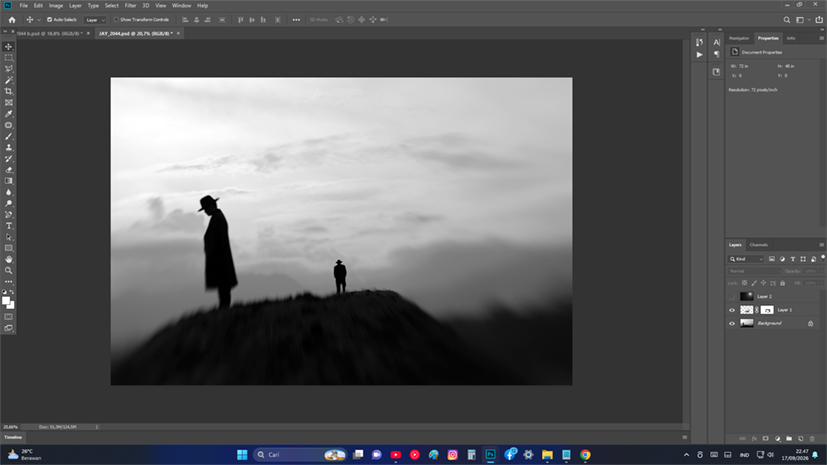
Then I searched for a second photograph that could function as its visual and narrative counterpart. For this, I only used the model's pose rather than the entire photograph. I enlarged the figure slightly, carefully considering the size to ensure the image retained sufficient quality without becoming excessively pixelated.
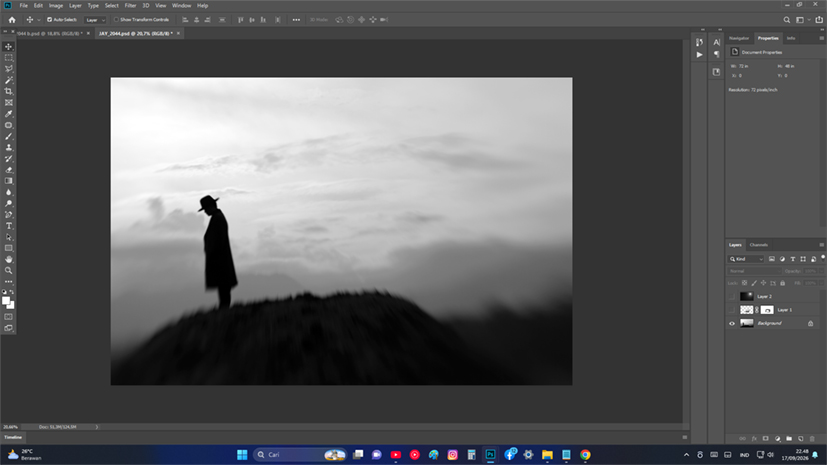
The purpose was not simply to add another person to the photograph, but to create a second presence that would contribute to the story.
Combining the Second Figure with the Main Image
I placed the second figure on a new layer above the main photograph. I then adjusted the figure's scale, position, distance and proportions in relation to the main subject until the overall composition felt balanced. For the blending process, I used the Pin Light blending mode. Using a Layer Mask and Brush Tool, I then gradually removed the areas of the second image that were not needed. Rather than deleting the unwanted areas permanently, I used masking to control exactly which parts remained visible. I adjusted the brush opacity according to the area I was working on to allow the edges and transitions to soften. This helped the second figure blend naturally into the atmosphere of the original photograph.
Adding the Moon
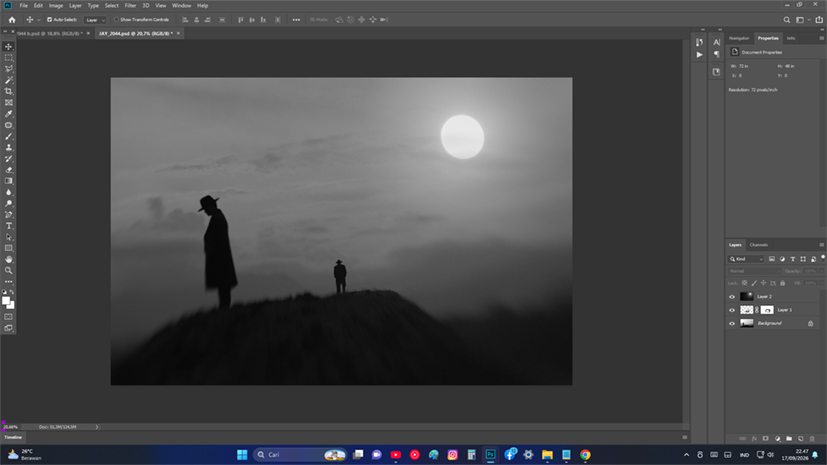
Once the two figures were integrated successfully, I added a stock photograph of the moon, which I had also photographed using the Lensbaby lens.
I positioned the moon in the upper-right area of the composition to strengthen the visual balance and reinforce the symbolic meaning of the image.
The moon became the third layer. I deliberately did not cut the moon out from its original photograph. Instead, I placed the entire image over the composition and reduced its opacity to 51%. This decision was important because the moon photograph did not simply function as an isolated object. Since the entire image was layered over the main photograph, it also affected the overall light, darkness, and atmosphere of the composition. The moon therefore became part of the tonal structure of the image rather than merely an added graphic element.
Establishing the Color and Mood
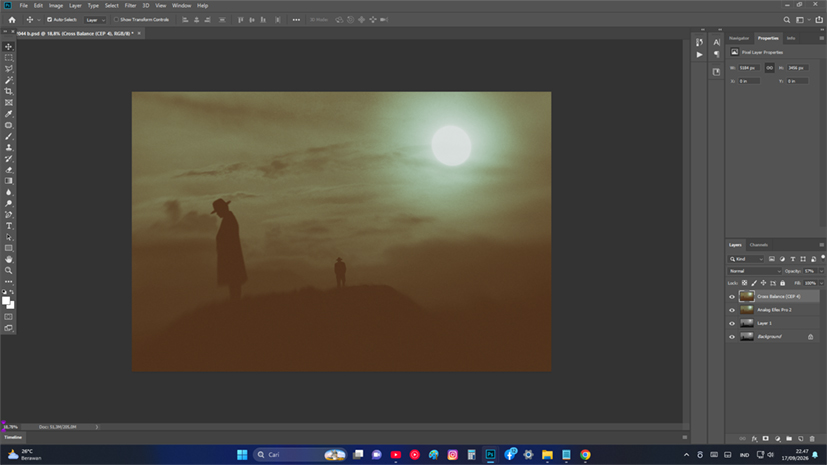
After completing the composition, I moved into the color-grading stage. Before making the final tonal corrections, I first transformed the original colors into a muted yellowish-purple, or violet-golden, palette. For this process, I used Nik Collection – Analog Efex Pro 2, specifically: Classic Camera 2. Here I worked with several aspects of the image, including: colour, contrast, highlights and shadows, noise, film characteristics, and overall tonal atmosphere. I used the Neutral Faded type and adjusted the Strength gradually until the desired mood began to emerge. I was not trying to create a strong or overly saturated color treatment. I wanted the image to feel soft, aged, hazy, distant, and slightly ambiguous—a visual atmosphere that could support the idea of an internal journey.
Strengthening the Colour Balance
After establishing the basic color palette, I used Nik Collection – Color Efex Pro 4, specifically: Cross Balance. I used this effect to deepen and balance the overall color relationship within the image. At this stage, I paid particular attention to how the color, light, fog, moon, and silhouettes interacted with one another. My goal was for these elements to feel as though they belonged to the same atmosphere, rather than appearing as separate components.
Final Light Correction
The final stage was the tonal correction using Curves. I adjusted the Curves according to the overall image, carefully balancing the relationship between: highlights → midtones → shadows. I did not want the moon to become too dominant, but I also wanted the human figures to retain enough definition to remain visually present. The final adjustments were made until all of the elements felt as though they existed within the same space, light, and atmosphere.
To me, these techniques were never just about manipulating an image. Each element was chosen to contribute to the story. I didn't want to create a visually complicated image just for the sake of it. I wanted every element to speak the same visual language.
'Lost Harmony' is therefore more than just a photograph. It reflects my personal journey — a process of learning to restore balance between the heart, the mind and desire.
Perhaps harmony was never truly lost.
Maybe it was merely concealed beneath the fog within us, waiting to be rediscovered.
‘Lost Souls’
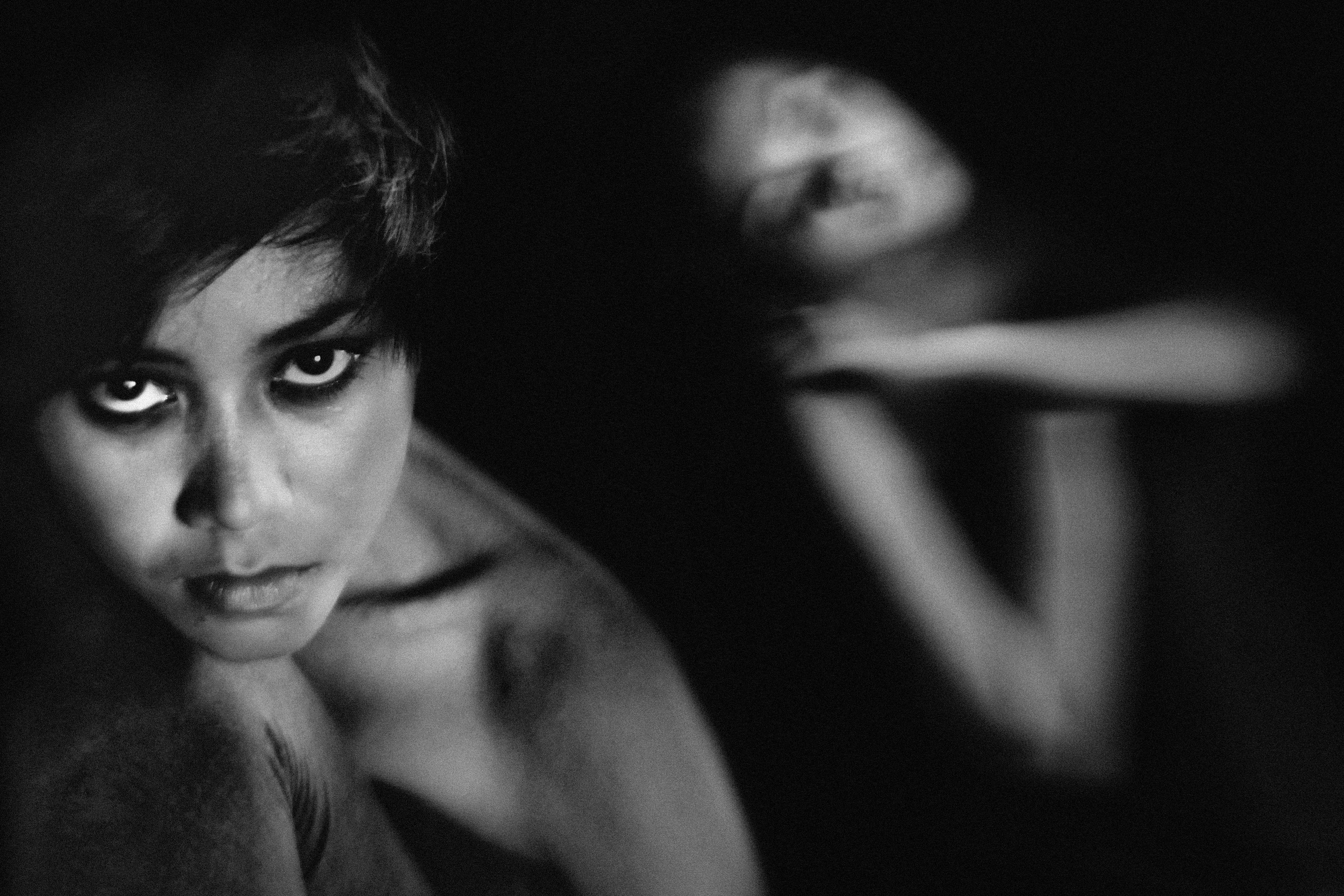
‘Emotion’
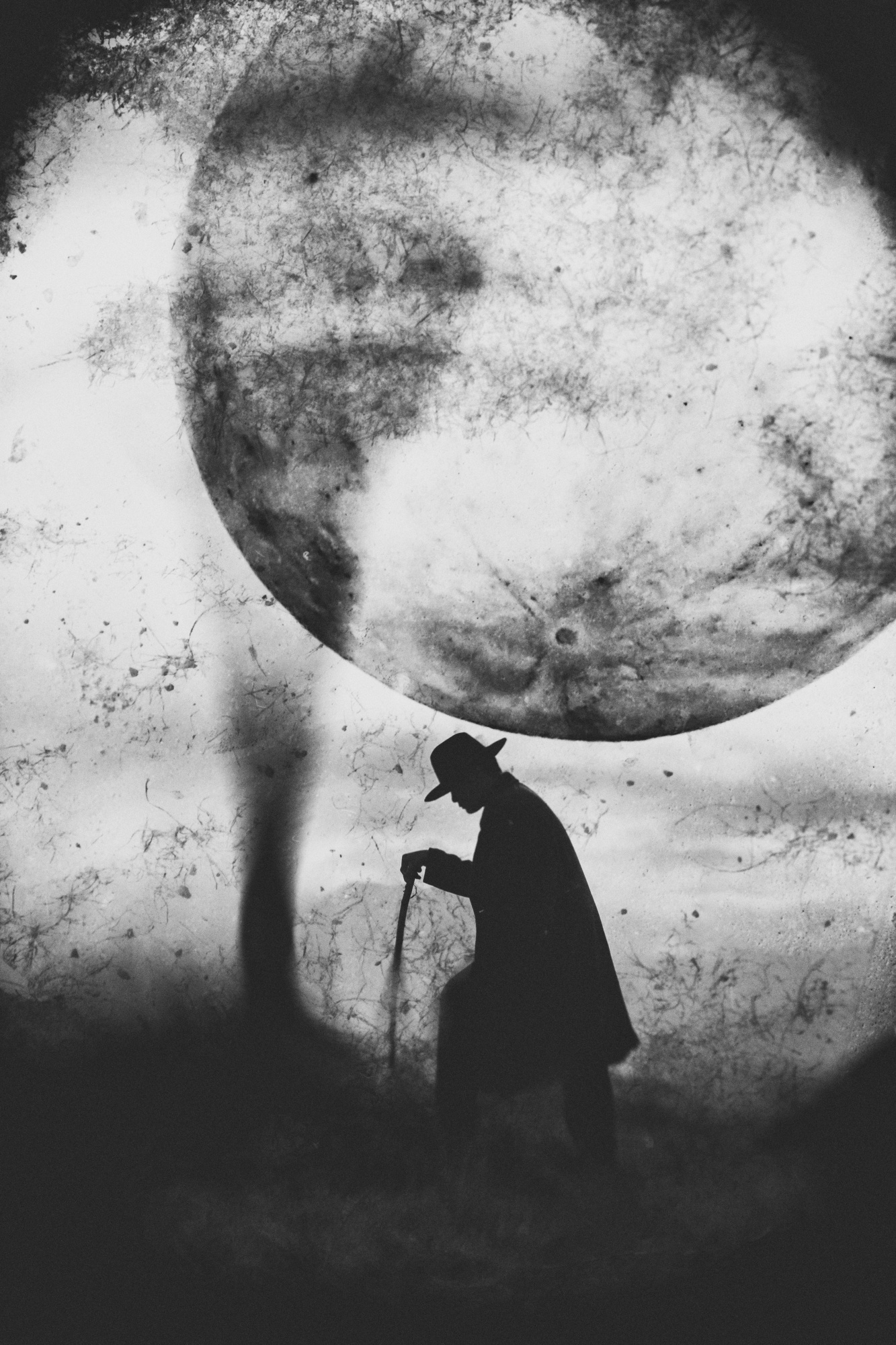
‘Keeper of Lost Time’
BIOGRAPHY
I was born in 1983 in Ciamis, West Java, Indonesia.
My interest in photography was first sparked by my late father's analog camera. That initial curiosity developed into a more serious pursuit in 2004, when I began assisting friends with various wedding and pre-wedding photography projects. Through these experiences, photography gradually became an important part of my creative journey.
My professional path continued with the establishment of Warna Photography, a business built from the ground up, at a time when I did not yet own a camera, lighting equipment, or a computer.
|
| | I like your amazing work very much, dear Jay! Congratulations! Thank you very much to Michel and Yvette! |
| Jay Satriani PRO thank you very much Dear Friend Svetlana :) |
| | Thierry Dufour PRO Great work, I like very much, congrats Jay !!! |
| Jay Satriani PRO Thank you very much my friend, I am very happy that you appreciate your outdoor work in your category... I love your macro gallery which is inspiring and full of creativity.. regards |
| | Jay Satriani PRO I extend my sincere gratitude to the brilliant editor Michel Romaggi and my dear friend Yvette Depaepe, who tirelessly work to nurture, support, and motivate artists to keep creating and to share their life journeys through diverse genres of photography.
Thank you, 1x, for providing a space where photographers from around the world can share their emotions, ideas, and stories through the visual language. May 1x continue to thrive and inspire the creation of meaningful work. My respect and appreciation go to the entire team that has been part of this journey. Best Regards Jay from Indonesia |
| | Adolfo Urrutia PRO Thank you so much, Jay, for sharing your art and your process with this beautiful image. The poetic quality of your work is very evocative and inspiring. Congratulations ! |
| Jay Satriani PRO Thank you very much, my friend Adolfo. I truly appreciate every kind word and the sincerity you have expressed. My respectful regards and sincere appreciation to you, my friend. |
| | Rana Jabeen PRO Dear Jay
"loss is not just about something slipping away; it's about what remains in our hearts: memories, emotions, lessons and meaning" Your words resonate with me .
I truly admire your work for it's uniqueness and deep feeling it generates. It was wonderful and inspiring to read the technique and detailed description behind your art.
My best compliments to you. |
| Jay Satriani PRO Thank you so much, my friend Rana. It brings me great joy when my work touches someone's heart. Every life experience and journey is part of the learning process that I strive to express through my art, using symbols and metaphor to convey meanings that words sometimes cannot capture.
I also truly admire your gallery. I can sense how your soul has become one with every piece you create. Sending you my sincere respect and appreciation, my friend. |
 | Abhijit Sen PRO very detailed oriented writing and excellent result at the end |
| Jay Satriani PRO Thank you very much Abhijit Sen... I hope my experience provides positive energy...best regards |
 | Jane Lyons CREW Jay, thanks so much for revealing both the technical process and your spiritual journey.
Your work has always resonated with me, and now I understand why—it feels deeply introspective, searching, and profoundly human.
Knowing what lies beneath the images makes them even more powerful. |
| Jay Satriani PRO Thank you once again, my dear friend Jane. If a work resonates with you, perhaps it is because the soul can sense the frequency that emanates from it. Not everything can be perceived through the physical eyes alone. Some things can only be felt through the inner sense within us, while the mind simply conveys what the soul has already felt.
My deepest gratitude also goes to all the crew, editors, founders, and everyone who has contributed to building 1x, as well as the curators who dedicate their time and passion to giving artists a space to grow and share their work.
I truly appreciate being here as a photographer, having the opportunity to share, explore, and express my artistic vision through photography.
Respectful greetings to all the wonderful artists at 1x. May we continue to discover meaning—not only through what we see, but also through what we feel. Best Regards Jay from Indonesia |